Birdwatching is becoming an ever more popular hobby, and Portugal is a great place to give it a try. Which remarkable birds can you spot right in the city, what does a beginner birdwatcher need, and how can amateur observations help science? Xpat.Land correspondent Yuliana Prus spoke to zoologist Seva Rudy, who leads nature tours in Portugal and runs the Russian-language Telegram channel “Crazy Naturalist Bar,” about what makes Portugal so special for this meditative pastime.
Why Portugal draws birdwatchers from around the world
Portugal may be small, but its nature is remarkably diverse: plains and mountains, coastline and forests, and steppes that have never been ploughed. Thanks to this variety, many different birds live here. What’s more, during the Last Glacial Maximum, part of the Iberian Peninsula was untouched by ice.
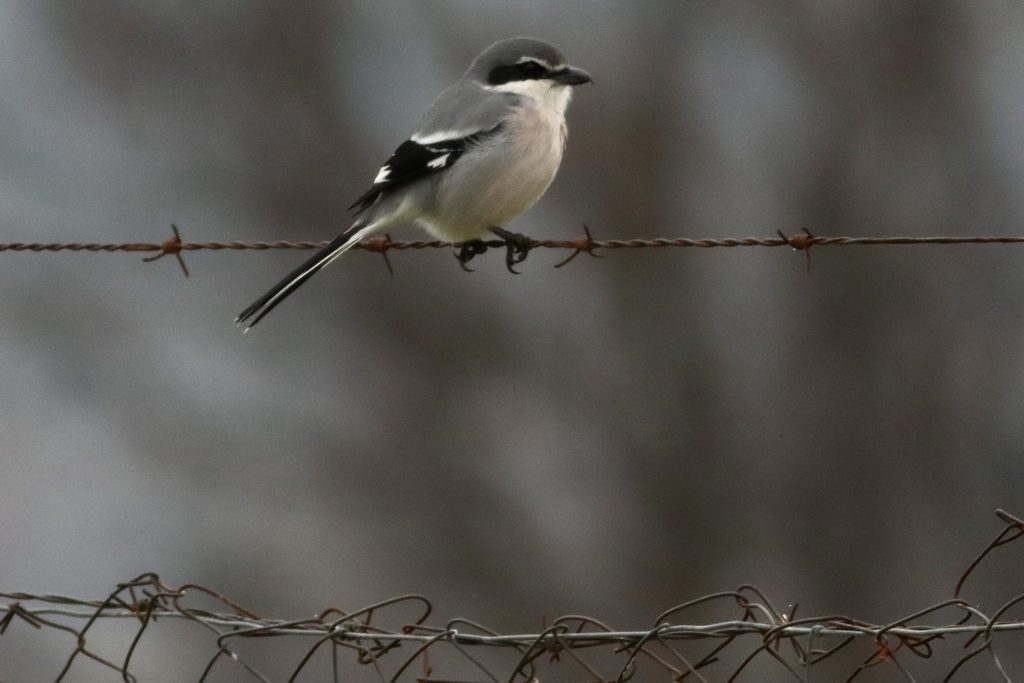
As a result, this area — where Portugal and Spain are today — gave rise to endemic species found nowhere else: the Iberian magpie, the Iberian green woodpecker and the Iberian grey shrike.
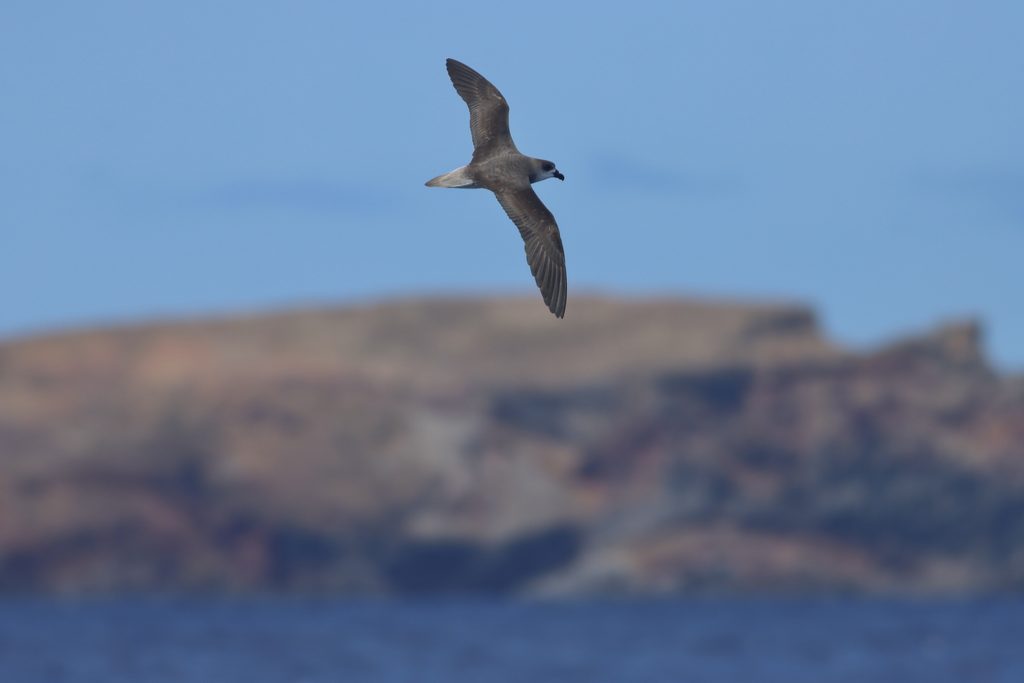
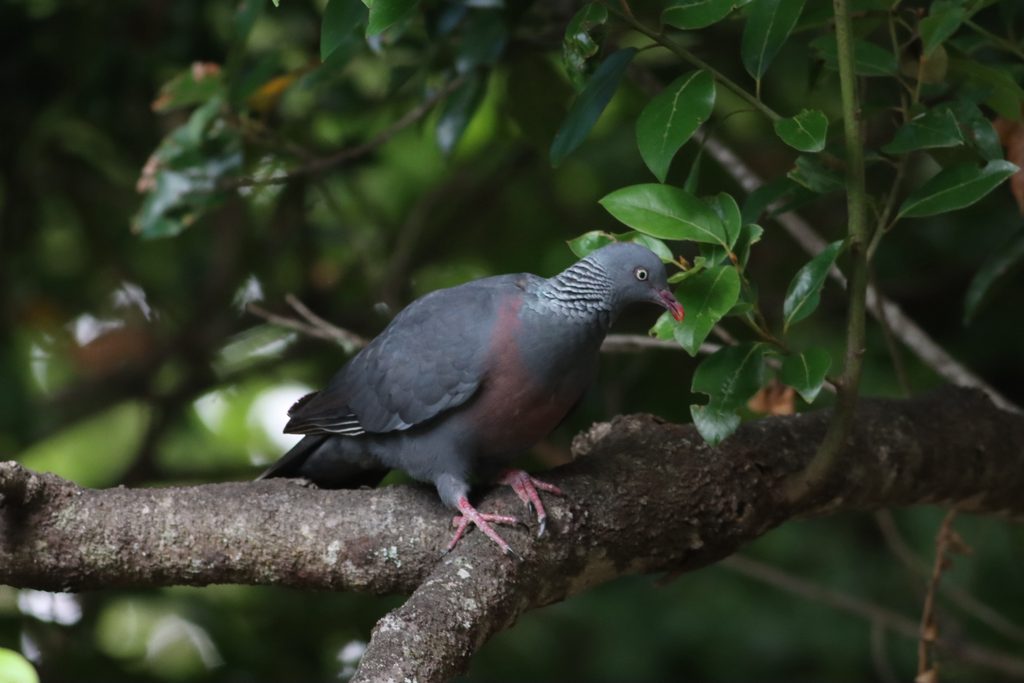
The Portuguese islands have their own peculiarities and their own endemics. On Madeira, these include the Madeira chaffinch (Fringilla maderensis), the Trocaz pigeon (Columba trocaz) and the Madeira firecrest (Regulus madeirensis). In the Azores, there’s the Azores chaffinch (Fringilla moreletti) and the Azores bullfinch (Pyrrhula murina). Several seabirds roam the world’s oceans but breed only on Portuguese islands: Zino’s petrel (Pterodroma madeira) and the Desertas petrel (Pterodroma deserta) on Madeira, and Monteiro’s storm petrel (Oceanodroma monteiroi) in the Azores.
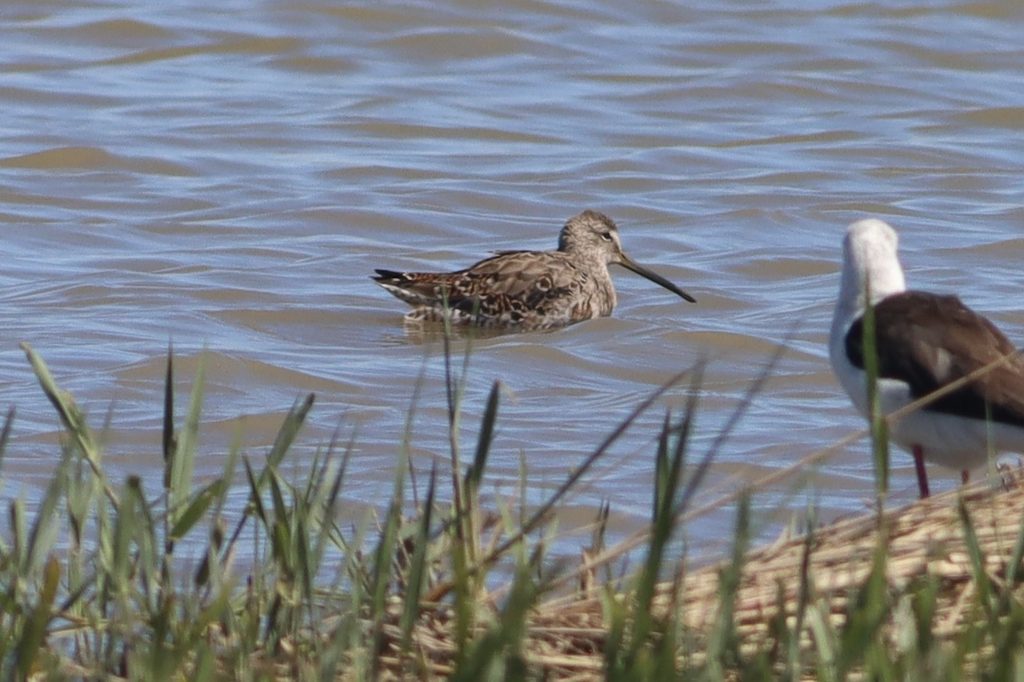
On top of that, most European migratory birds winter in Africa, and Portugal lies conveniently along their route. During migration season, in spring and autumn, birds from all over Europe gather here.
Portugal can also host birds that are completely untypical for the region, arriving from North America.
“Storms blow them off course, and they land on the first piece of land they find. That’s often the Azores, and sometimes mainland Portugal,” explains Seva Rudy.
Unique species, plenty of resident birds, migrants passing through and accidental visitors all make Portugal an excellent place for birdwatching. And the town of Sagres hosts an annual birdwatching festival: this year it drew more than 1,500 participants from 30 countries.
Five impressive birds you can see in Portugal
Taking your first steps in birdwatching is easy, and even a beginner can recognise some fascinating birds. You don’t need to travel far out of town or buy special equipment to see them.
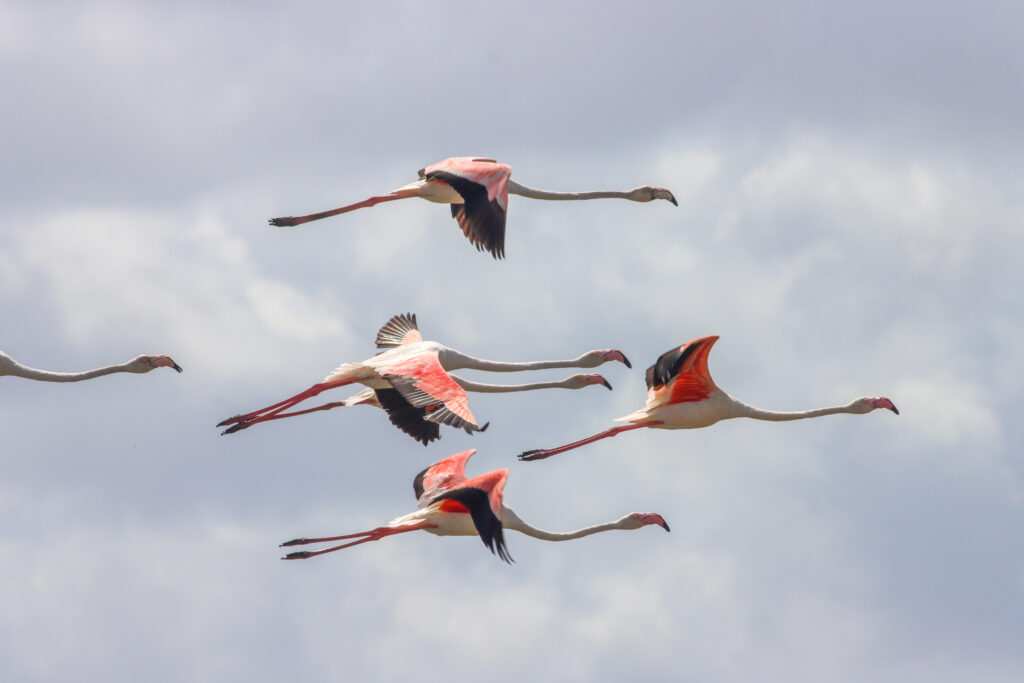
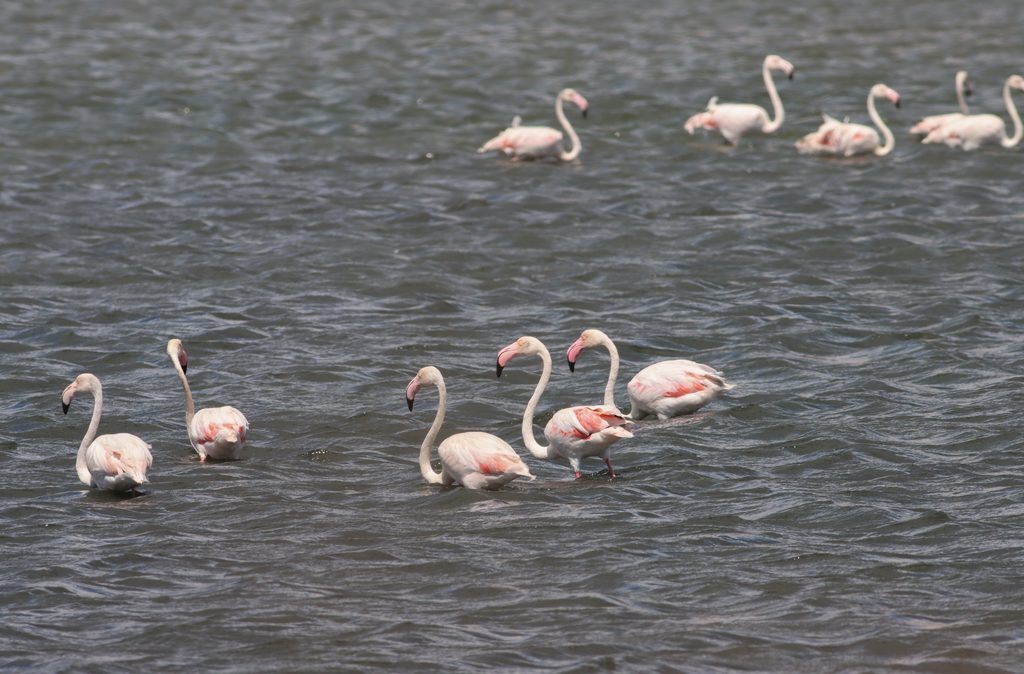
Greater flamingo (Phoenicopterus roseus)
Flamingos come first on this list. You can see them almost all along the Portuguese coast all year round. In Lisbon, for example, you can spot them while walking the riverside Percurso Ribeirinho de Loures trail.
Flamingos also like to gather at salt pans, which you’ll find near many towns — just look for the word salinas.
“Flamingos aren’t born pink. When they get their first feathers, they’re grey, then they turn white, and they build up their pink colour from pigments in the food they eat. Their way of feeding is quite unique among wading birds: they filter water through special plates inside their beaks and eat tiny crustaceans,” says Rudy.
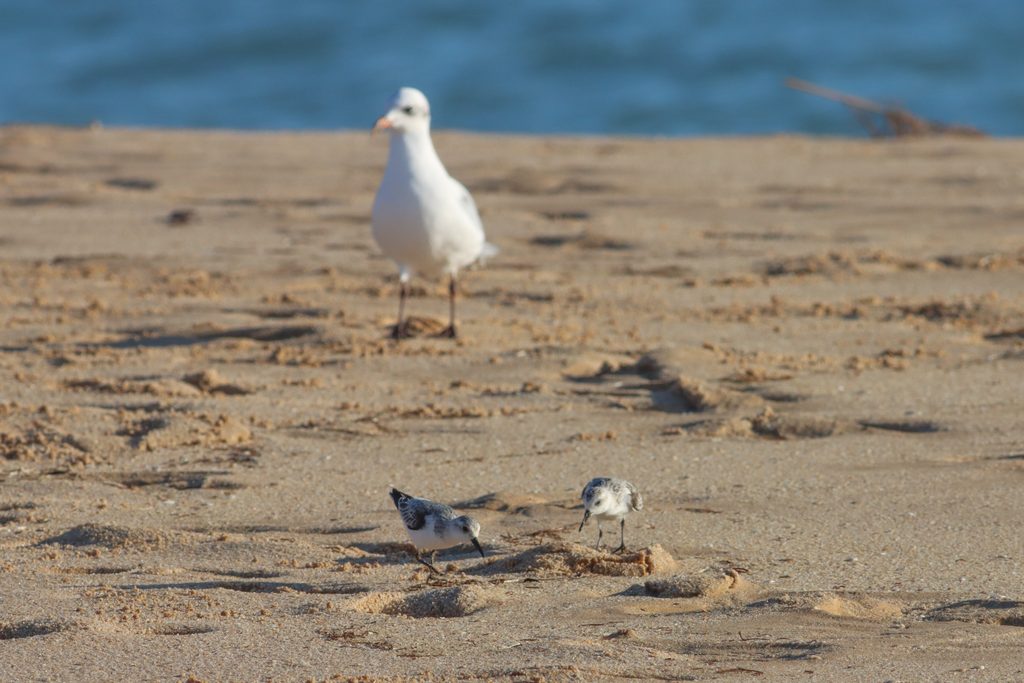
Sanderling (Calidris alba)
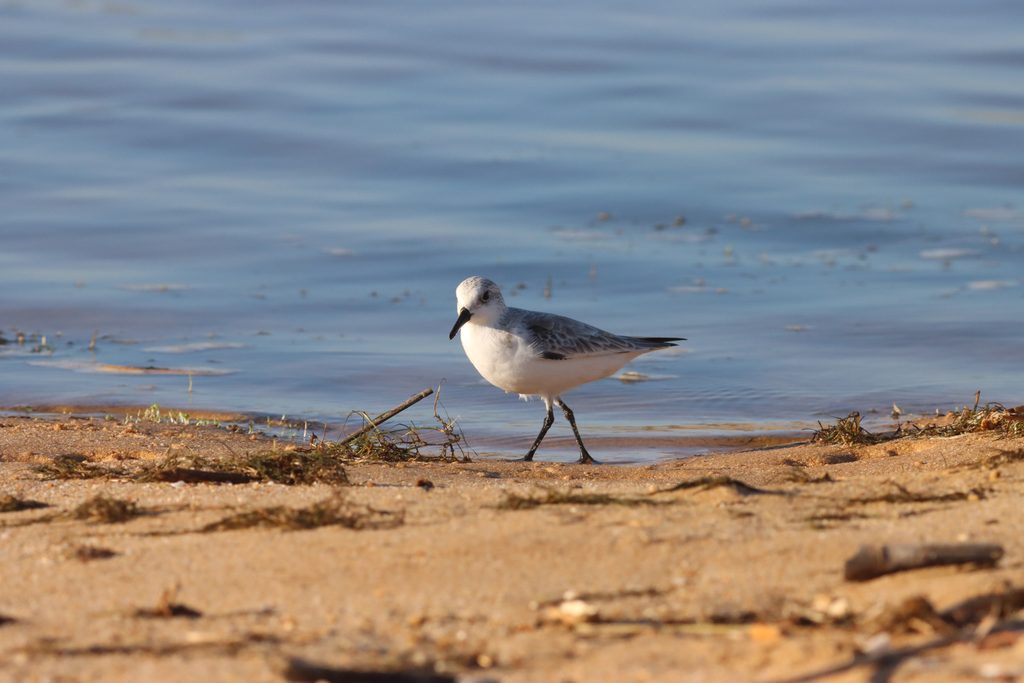
Another bird that’s fun to watch is the sanderling. You can find it on beaches anywhere in Portugal, even on the Tagus waterfront in Lisbon. It’s easy to recognise, says Rudy:
“Some people know these birds because Pixar made a short film about them called Piper. Watch it when you have a moment — it’s a wonderful film. They’re little white birds that look like mice on stilts. They run back and forth from the waves in a funny way. They’re not shy here and let people come close, and to see them you just need to go to any waterfront with sandy or rocky stretches.”
Sanderlings are tourists in Portugal.
They breed far to the north, above the Arctic Circle, and fly south for the winter. Some sanderlings head to North Africa, while others winter in Portugal.
Iberian magpie (Cyanopica cooki)
A more exotic bird is the Iberian magpie we mentioned earlier, which lives only in Portugal and Spain.
Its closest relative lives thousands of kilometres away, at the other end of the continent — in East Asia.
For a long time, this was a mystery.
“Scientists even thought people might have accidentally brought these magpies to one of the two places. Later it turned out that the populations really did have a common ancestor, but during the Last Glacial Maximum the magpies disappeared from the part of Eurasia that was covered by ice. They survived only in two isolated areas. There are no azure-winged magpies in between,” explains Rudy.
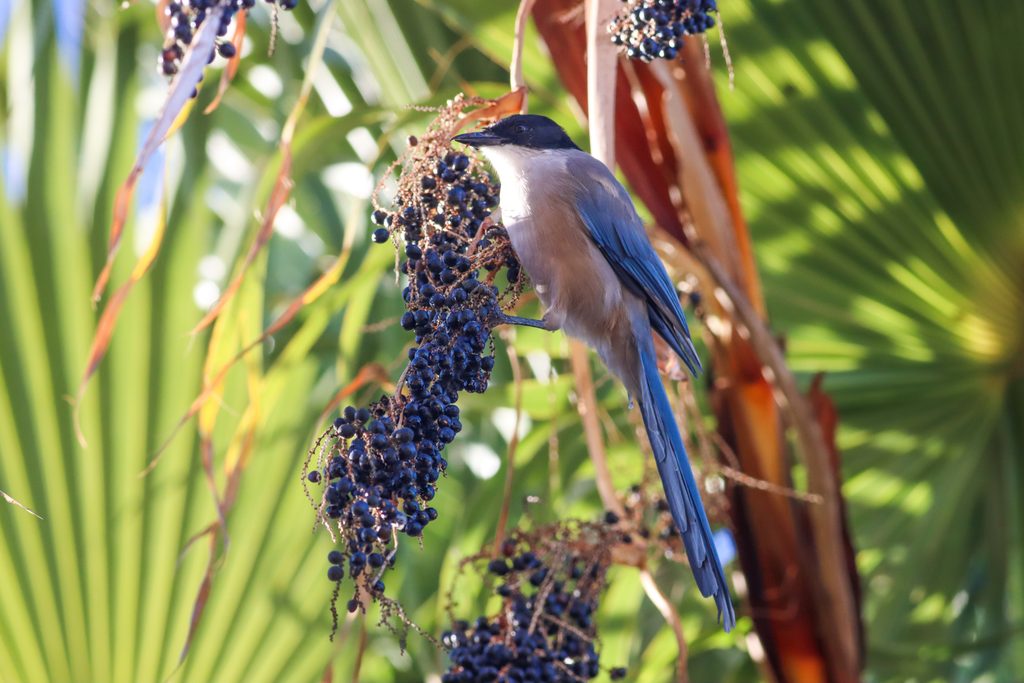
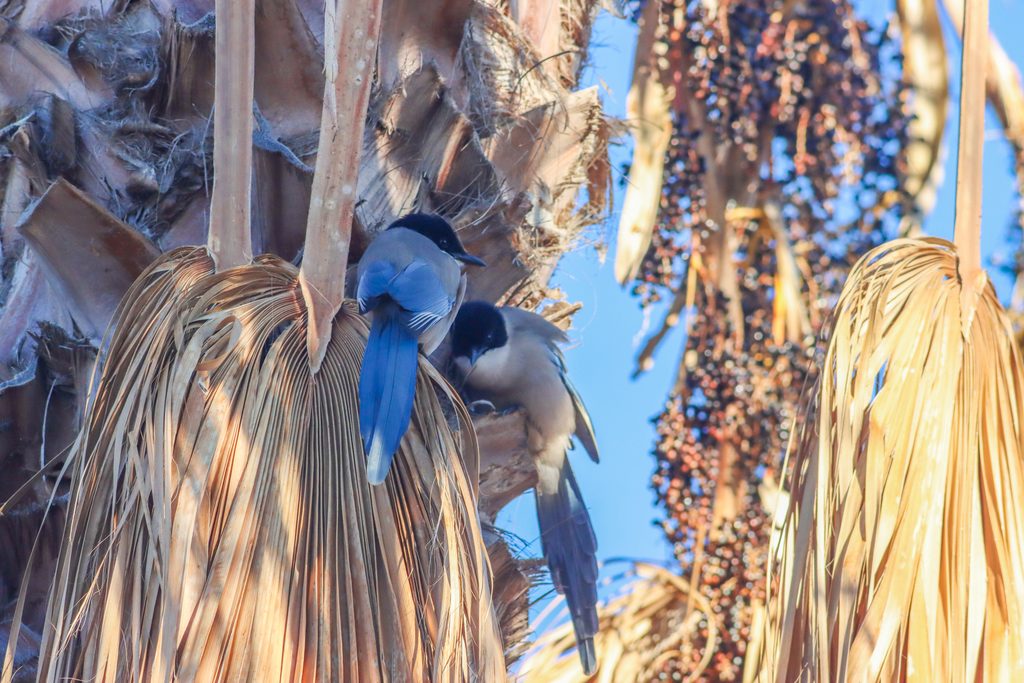
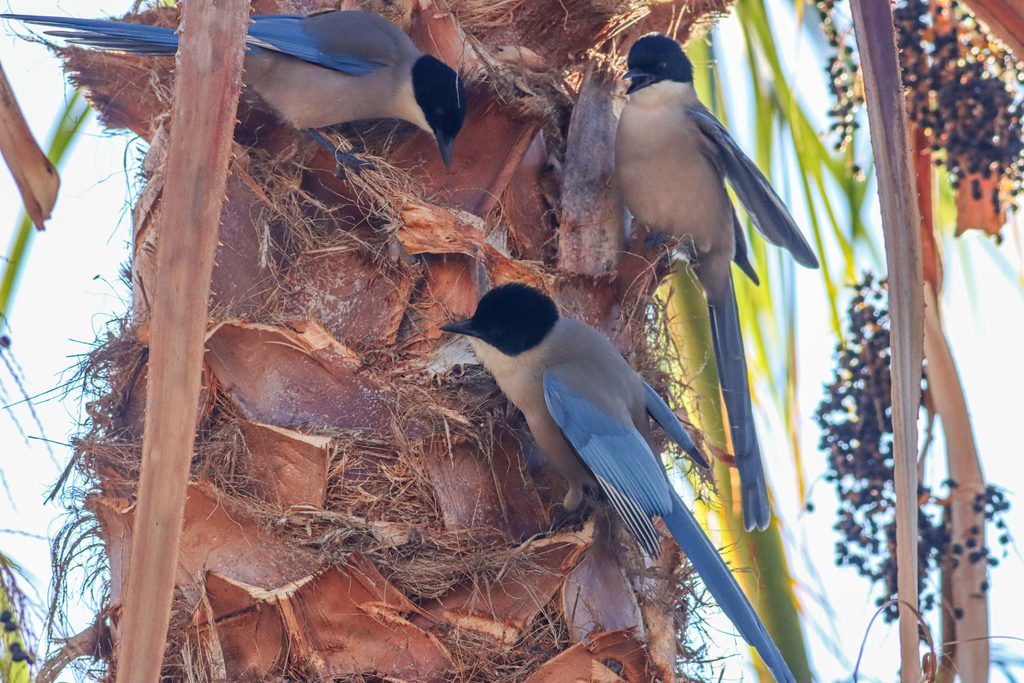
The bird looks like a common magpie, but its tail and wings are a bright sky blue. In the zoologist’s experience, you can see Iberian magpies in the south of Portugal right in town, in any tree:
“The first time I saw this bird was near Madrid, and we spent about two hours getting a truly awful shot of the magpie sitting so deep in the branches that you couldn’t see it at all. The first time I came to the south of Portugal, to the Albufeira area, literally the first thing I saw when I walked out of the hotel was a flock of Iberian magpies calmly stripping berries off a local palm. After that I saw them every single day. Here you can watch them in peace.”
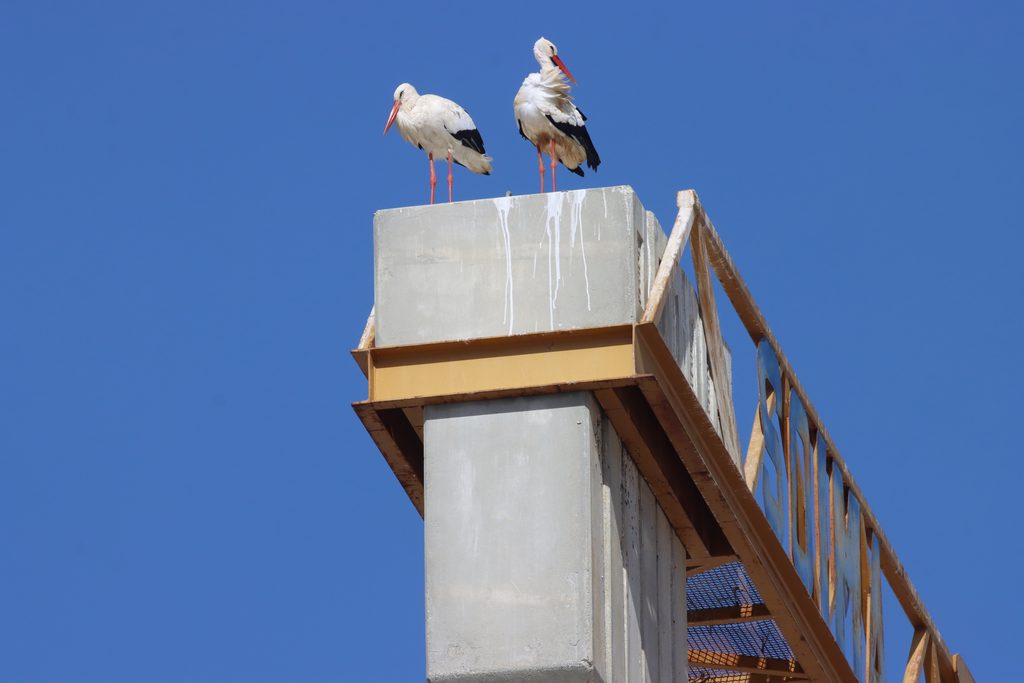
White stork (Ciconia ciconia)
Storks sometimes nest in towns: for example, they have made themselves very much at home on old buildings in Faro. But you’re more likely to see nests outside towns, on electricity pylons.
In the breeding season, you can hear the birds clattering their beaks: that’s how they attract a mate.
You can watch them build nests, feed their chicks and hunt — they eat not only large insects but also mice, frogs and other small vertebrates.
Rose-ringed parakeet (Psittacula krameri)
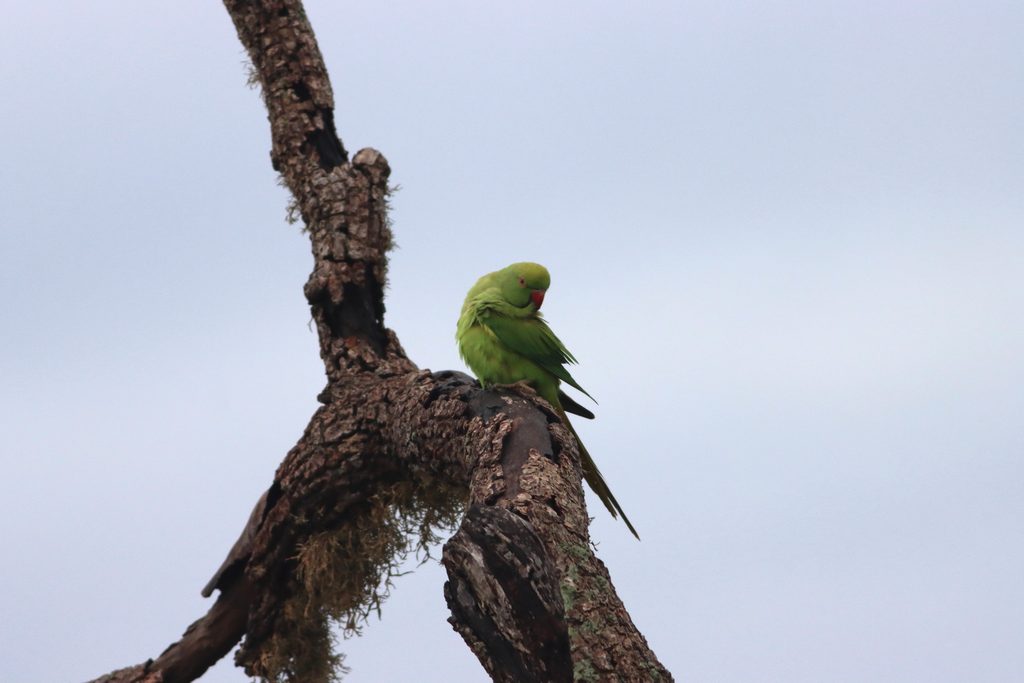
If you haven’t seen this bird yet, you’ve almost certainly heard it. These green parakeets usually move around in flocks and screech loudly. They don’t do well in the countryside, but in towns they’re everywhere.
“Of course, this is a bit of a cheat, because these birds didn’t arrive here naturally. They’re former pets that were brought here to be kept in cages, but they escaped and became naturalised in the wild,” notes Seva Rudy. “Even so, for many people these beauties are where an interest in birds begins. People see them in the street and think: ‘Wow, parrots! I wonder who else lives around here?’”
These parakeets aren’t as cute as they may seem: they gather in large flocks and push native birds out of towns by taking over their nesting holes.
You can also go birdwatching in a more targeted way
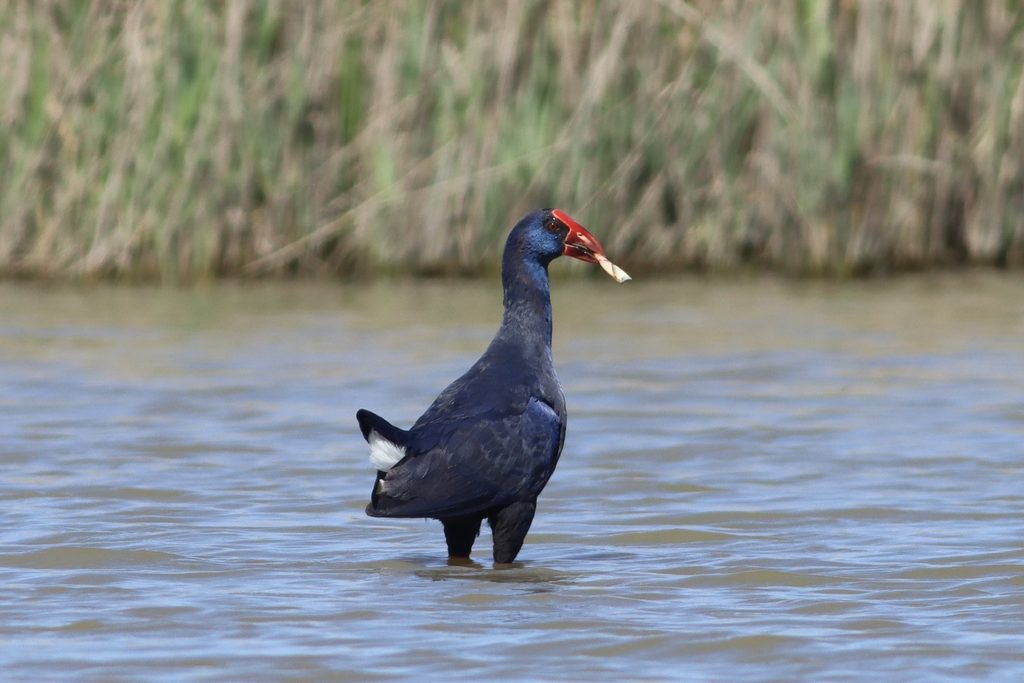
Near Lisbon there’s a dedicated birdwatching site — EVOA (Espaço de Visitação e Observação de Aves). You can see many different species here, such as the western swamphen (Porphyrio porphyrio). This bird looks like a chicken but is biologically closer to cranes.
“It’s like a dinosaur: a serious face, a huge red beak, and on long, long legs they walk through ponds and wetlands collecting plants. It looks completely fantastical,” says Rudy. The swamphen doesn’t migrate for the winter, so you can watch it right now, in November.
If you live in Portugal’s mountainous areas or are planning a trip there, you have every chance of seeing huge birds of prey — the cinereous vulture (Aegypius monachus) or the griffon vulture (Gyps fulvus). You can see them in November too.
“The birds that leave are mostly warmth-loving insect-eaters: swifts, bee-eaters, rollers, nightjars, cuckoos. Many small songbirds migrate too, but in winter they’re replaced by relatives arriving from northern Europe. Finally, some waders pass through, though not all, and many stay for the winter. All in all, the birdlife doesn’t change with the seasons as much as we’re used to.”
What you need to start birdwatching
At the very beginning, you can manage without any equipment at all. But if you’re more serious about it, you’ll need the basics: a field guide (for example, an online one — more on those below) and binoculars.
With binoculars, you’ll disturb birds less and see them better.
Any pair of binoculars is better than none.
You can even start with a children’s pair, while a good one will cost between €100 and €500. A camera is optional. Sometimes it’s hard to identify a species correctly, and a photo can later be compared with the pictures in a field guide.
“Any superzoom will do. If not that, then a simple DSLR with a lens of 200 mm focal length or more. You won’t take artistic photos with that, but it’s enough to photograph birds well enough to identify them. A camera is fairly expensive, so it’s up to each person. Practically all the birdwatchers I know sooner or later buy something to take pictures with,” says Rudy.
Which apps can help you identify birds
First, it’s very important to respect nature. Don’t go near nests, so as not to give them away to predators. Don’t stress the birds. Second, you need a good field guide.
Collins Bird Guide
Seva Rudy recommends the Collins Bird Guide — originally a book from a British publisher, a field guide to birds in English. But you don’t have to carry the printed edition around: there’s a mobile app version. Rudy praises the guide for its good illustrations, and in the app you can also listen to bird calls. It also explains in detail which features tell one bird apart from another.
Merlin Bird ID
The main advantage of this app is that it can identify a bird from a recording of its song. Rudy says it’s handy for beginners, but notes that its results should be treated with caution: the identification isn’t always right, though overall it’s quite accurate.
eBird
With eBird, you can keep a list of the species you’ve seen and track your progress. It shows popular birdwatching spots and lets you read information from other users — for example, where and when a particular species was last seen.
“This is the holy of holies for every birdwatcher. First you register, then you go to a location and fill in a checklist. You enter which birds you saw and how many, and if you like you can also add breeding codes (a universal international code that helps ornithologists record briefly at what stage of breeding they observed a bird — Xpat.Land). So if you see a bird building a nest in a given area, carrying nesting material, feeding chicks and so on, you can record that too,” says Rudy.
The app also has reviewers who help identify birds in tricky cases.
iNaturalist
Another useful app is iNaturalist. It covers not just birds but other wildlife too.
Its built-in neural network is pretty good at identifying species from photos, and even if the AI gets it wrong, iNaturalist has a large community of users who will check the result. Some of them are scientists.
How birdwatchers can help science
This pastime can become not only a favourite hobby but also a way to make a real contribution to science. If you use eBird and iNaturalist, your observations go into a global database. The key is to collect data according to the rules explained when you sign up. Users’ records can help ornithologists track changes in bird numbers, range expansions and more.
Through these apps, thousands of people share observations from all over the world every day. A regular scientific study simply wouldn’t have the resources to collect that much information.
The approach that lets anyone contribute to scientific research is called citizen science.
And it works: birdwatchers have already helped rediscover several bird species that were thought to be extinct.