Where do the Portuguese go to see snow, apart from the Serra da Estrela? One popular destination over the winter holidays is the town of Lousã and its surroundings. The atmosphere here is magical: tiny old villages, mountains, the smell of wood stoves and the chance to spot a wild deer. There are plenty of hiking trails, so you can reach all the interesting places without a car. Xpat.Land correspondent Yuliana Prus has spent her holidays there for two years running, and she shares what’s hidden in the forests of central Portugal.
Getting there
The most convenient base is the municipal seat, the town of Lousã. You can get there by car or by public transport via Coimbra. Several times a day, a metrobus runs from Coimbra to Lousã — a bus that travels on its own dedicated road, built in place of an old railway line.
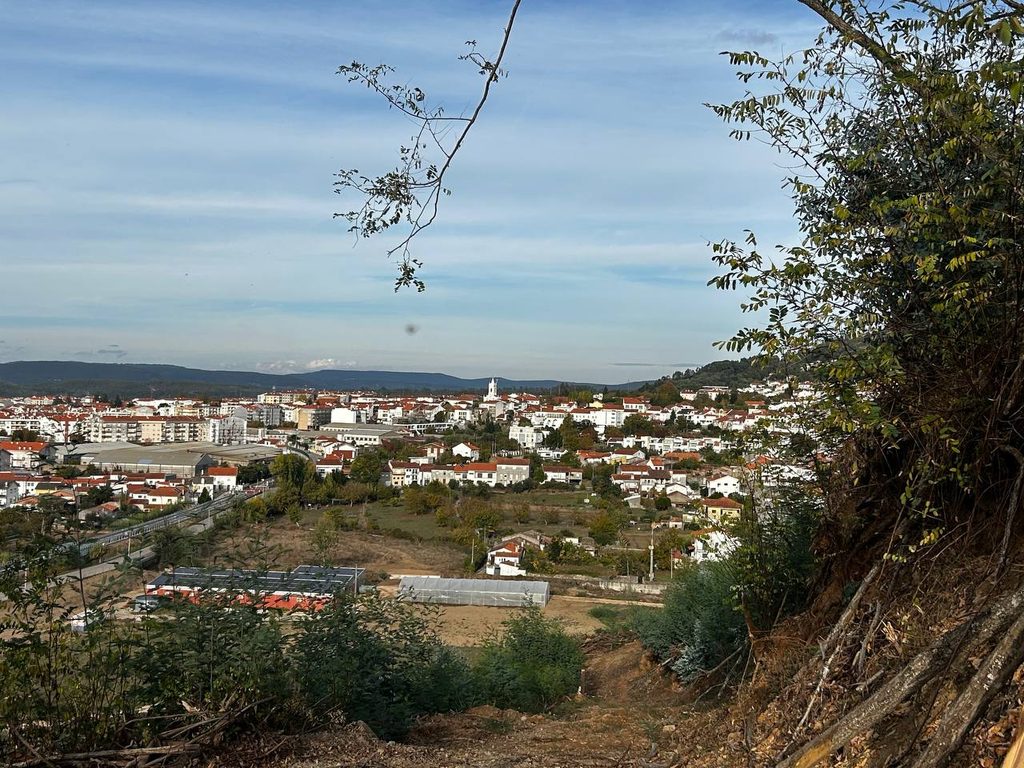
From Lousã, you can set out to explore the surrounding area. The town has everything you need: large supermarkets and plenty of restaurants and places to stay.
What to see
A haunted castle and a pilgrims’ trail
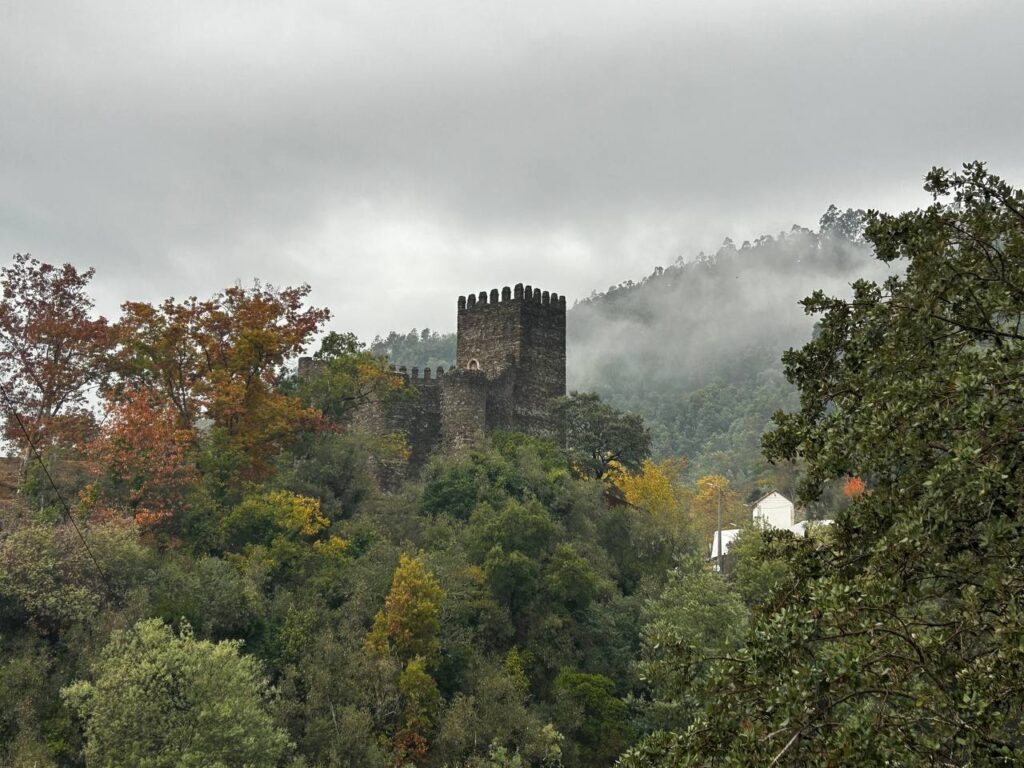
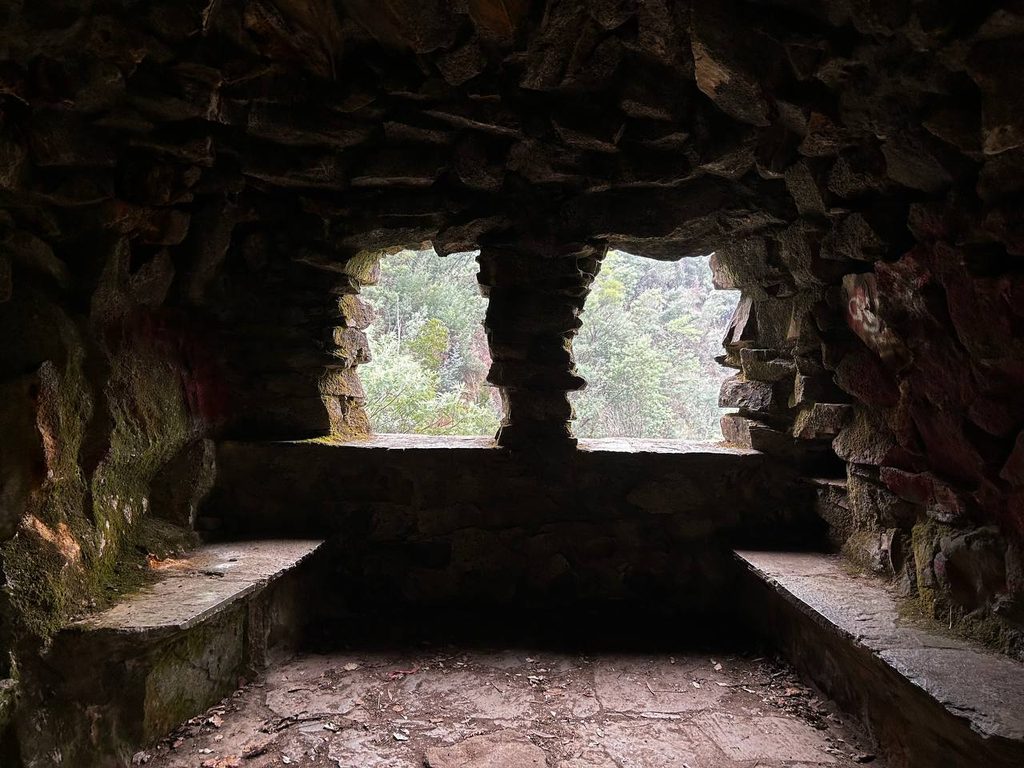
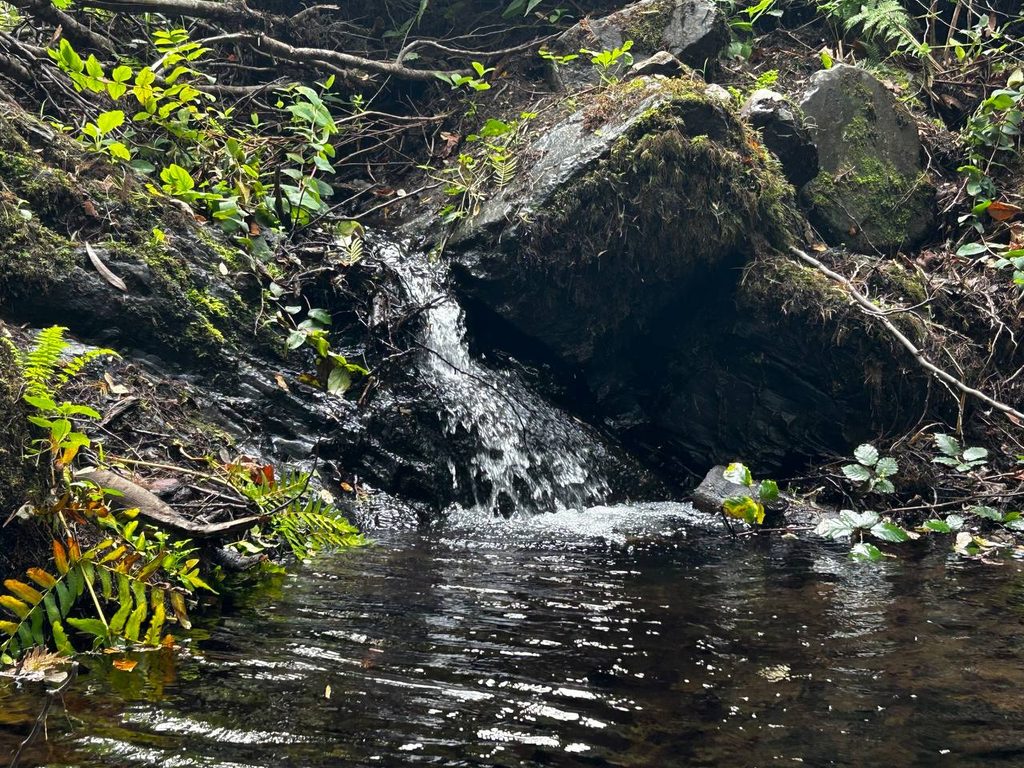
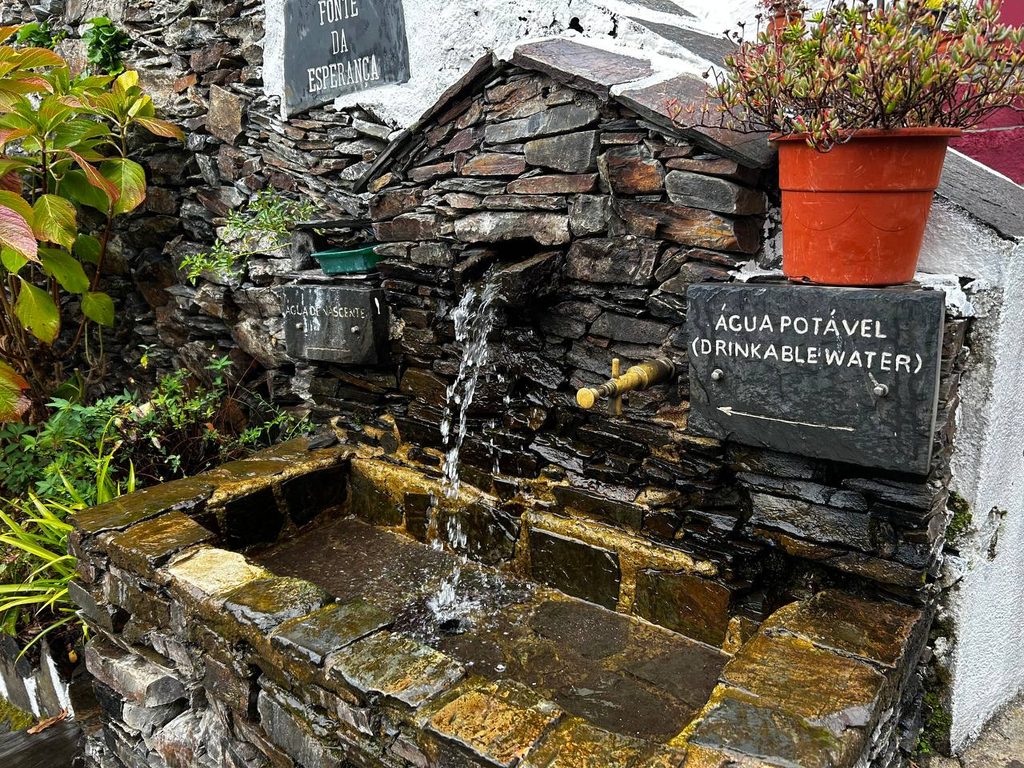
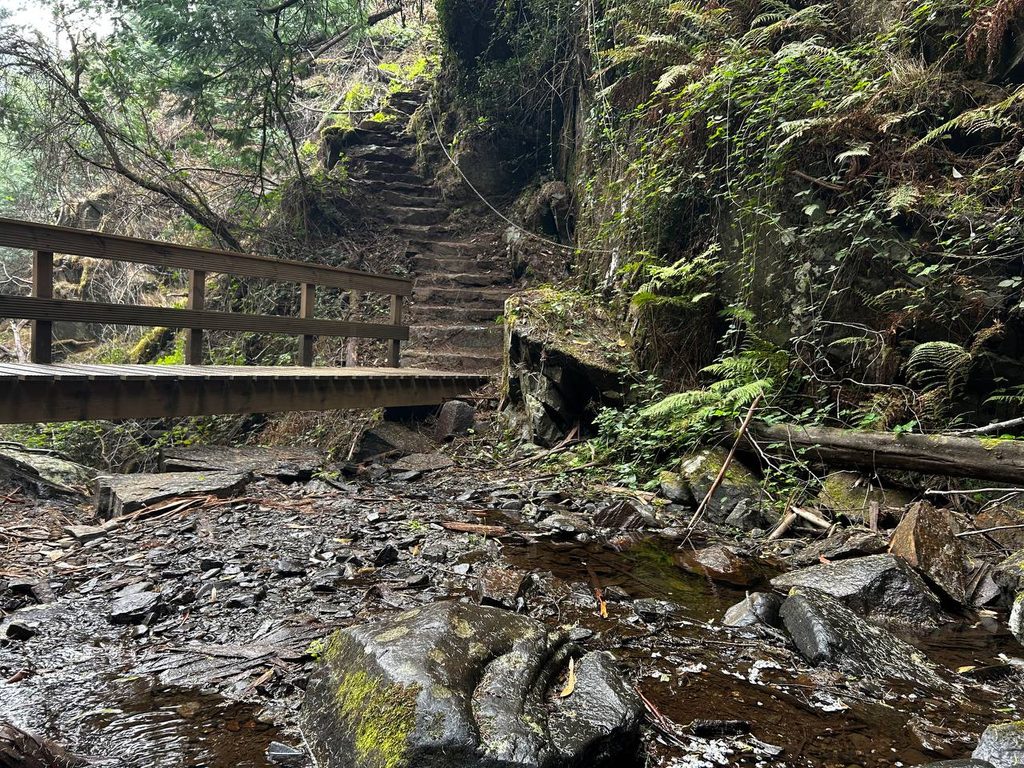
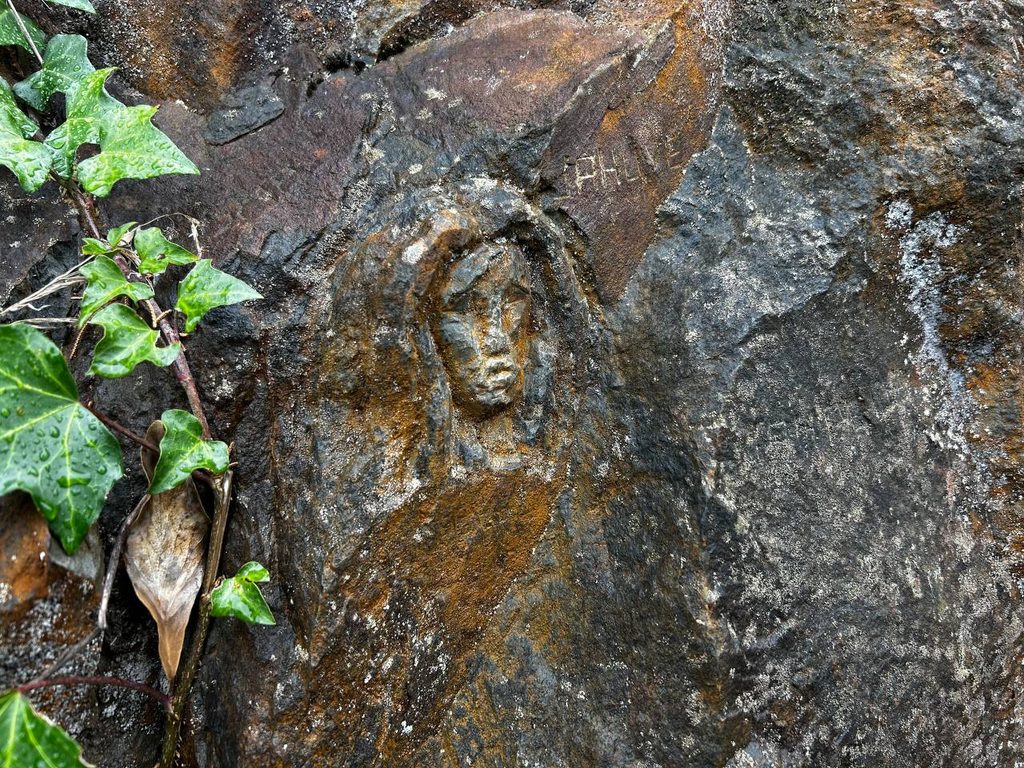
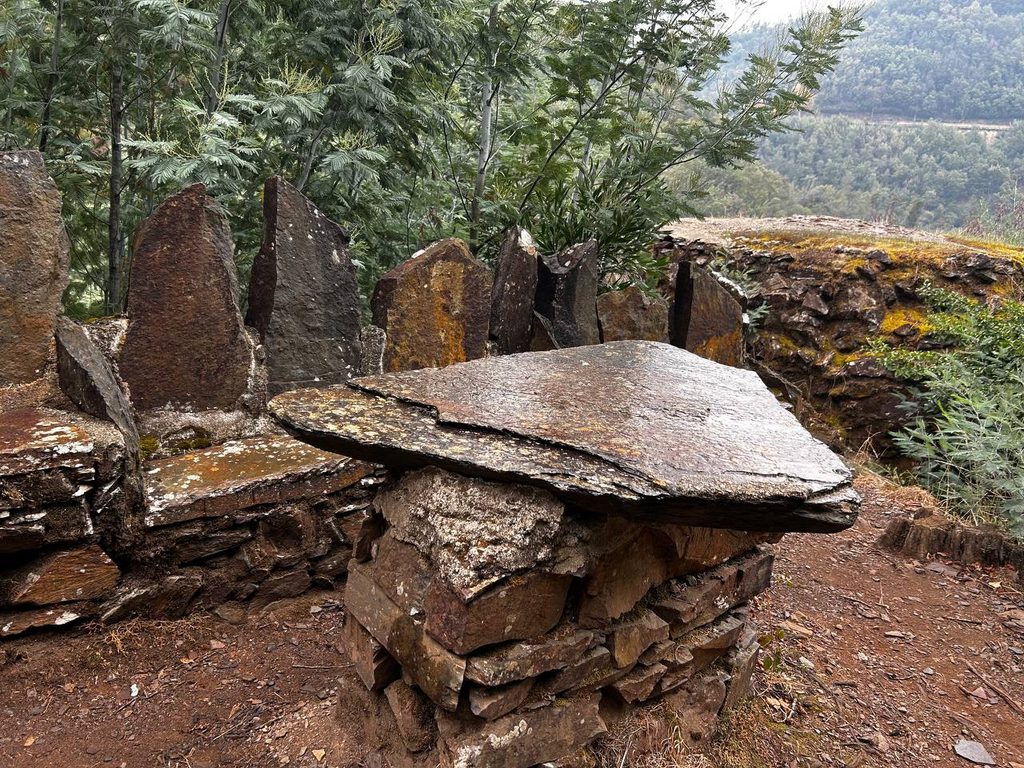
One of the main local sights is an 11th-century castle. You can drive there, but frankly it’s far more interesting to walk from Lousã. It’s an easy circular route that takes about two hours. The 5.3-kilometre trail passes a paper mill, small waterfalls and viewpoints. Part of it follows an old pilgrims’ path. You can imagine how hard the monks worked to build this route, laying stone steps and railings in the middle of a mountain forest. Along the way there are shelters — something between a gazebo and a cave — where you can take a break.
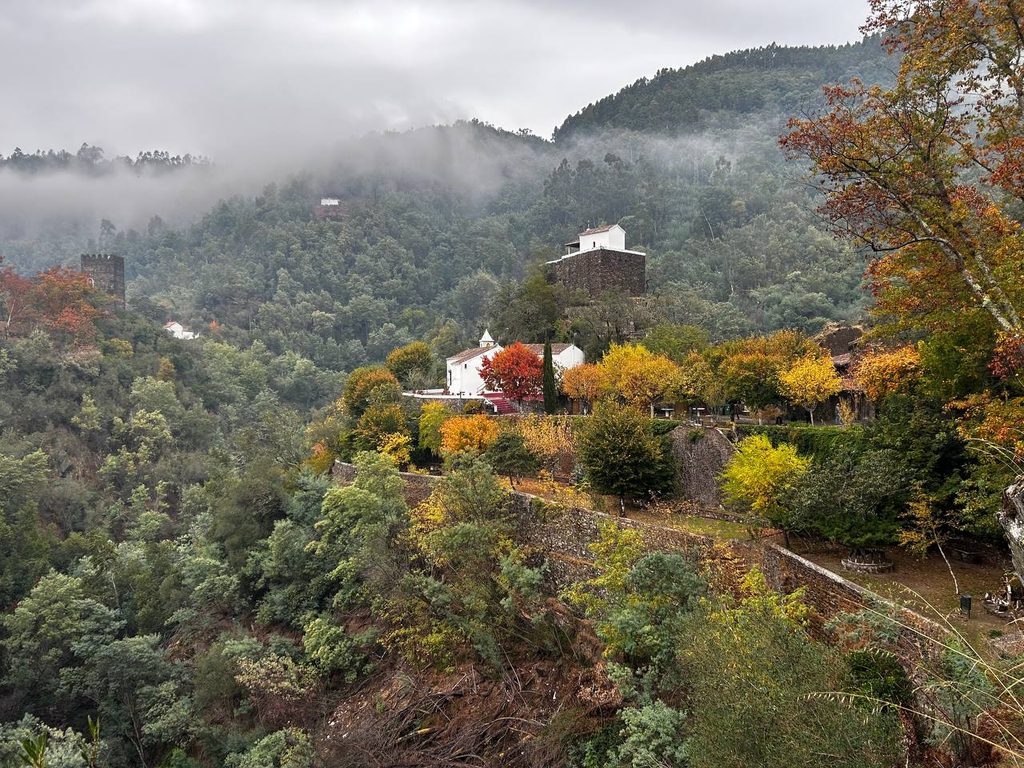
The castle has a mysterious legend attached to it. They say that during the Reconquista, when the Christians took these lands back from the Moors, a Christian prince fell in love with the only daughter of a Moorish king, Princess Peralta. The princess fell in love with the prince too, but her father opposed the match. Fleeing, the king escaped high into the mountains, taking no one with him but his daughter. He locked the girl in this very castle and went off to settle scores with the prince. The king and the prince fought a duel, and both were killed. Princess Peralta remained imprisoned in the tower for the rest of her days.
Some claimed that even centuries later they could hear her weeping.
A village with a single resident
The region is home to several villages on the list of Aldeias do Xisto — the Schist Villages. These are mountain settlements built entirely of schist houses. They are believed to have been founded in the 17th and 18th centuries. Back then they were full of life, but gradually people moved to the cities, and by the 1980s most of the houses stood empty. In recent decades, the authorities decided to rescue these abandoned settlements: they brought in running water and electricity and began attracting tourists.
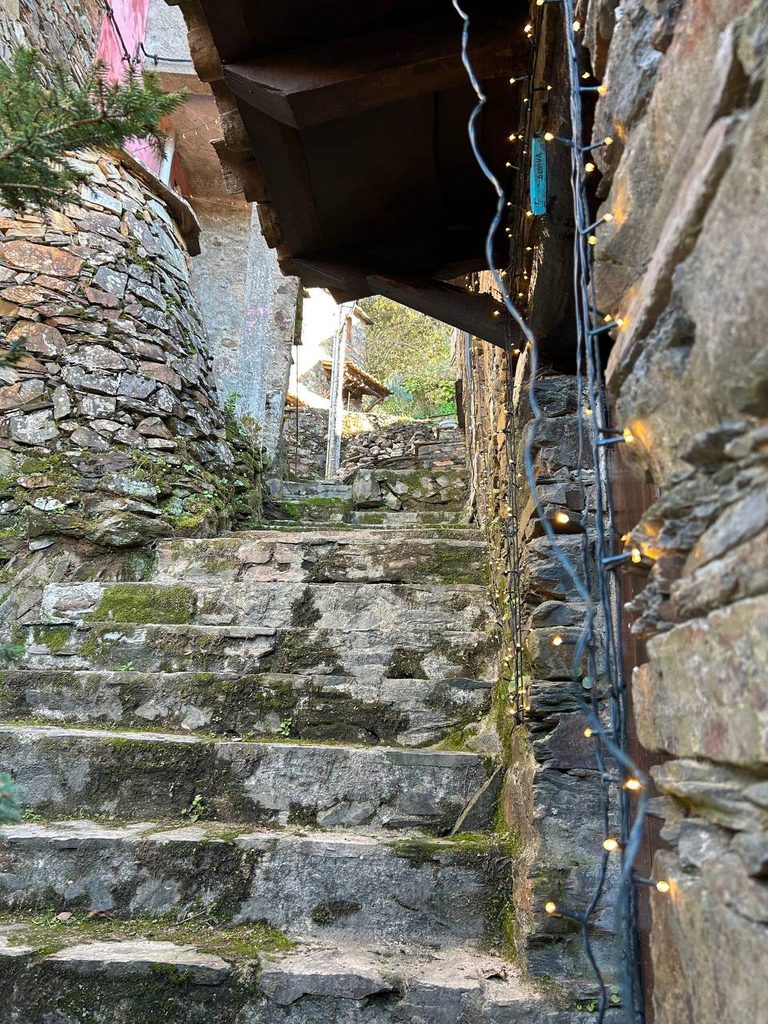
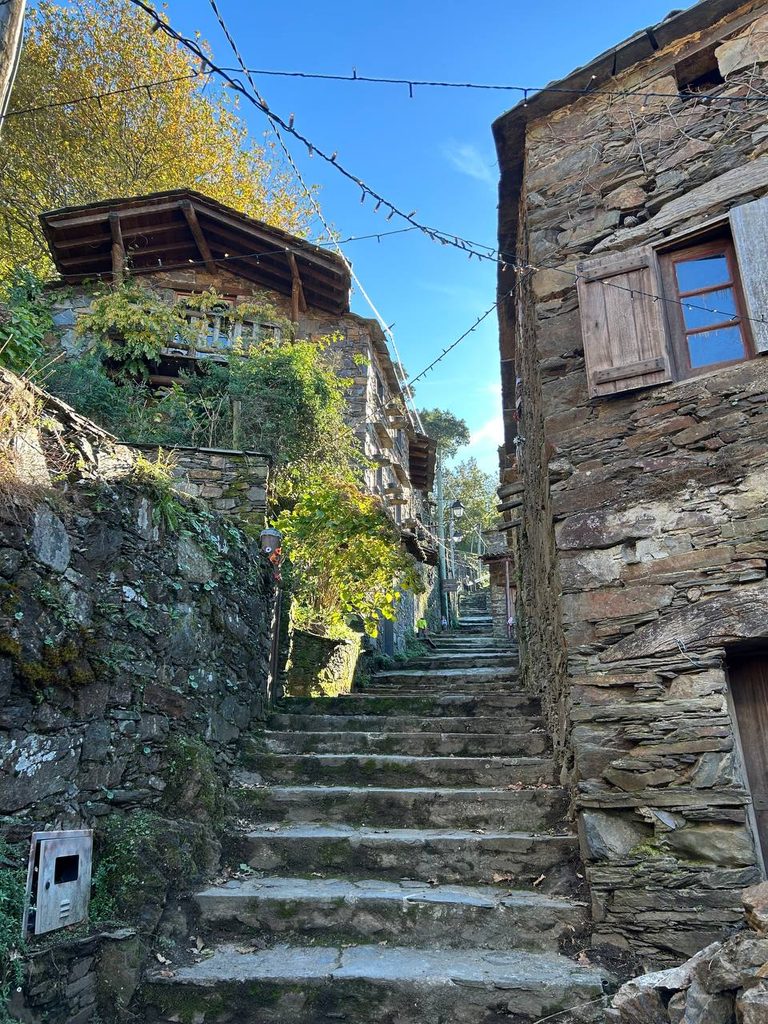
One of these villages is Talasnal, perched right on the edge of a cliff. This picturesque spot has been nicknamed the “mountains of love.” The main road runs along a steep slope, with narrow lanes branching off it, completely entwined with grapevines. The Portuguese say that time seems to have stood still here.
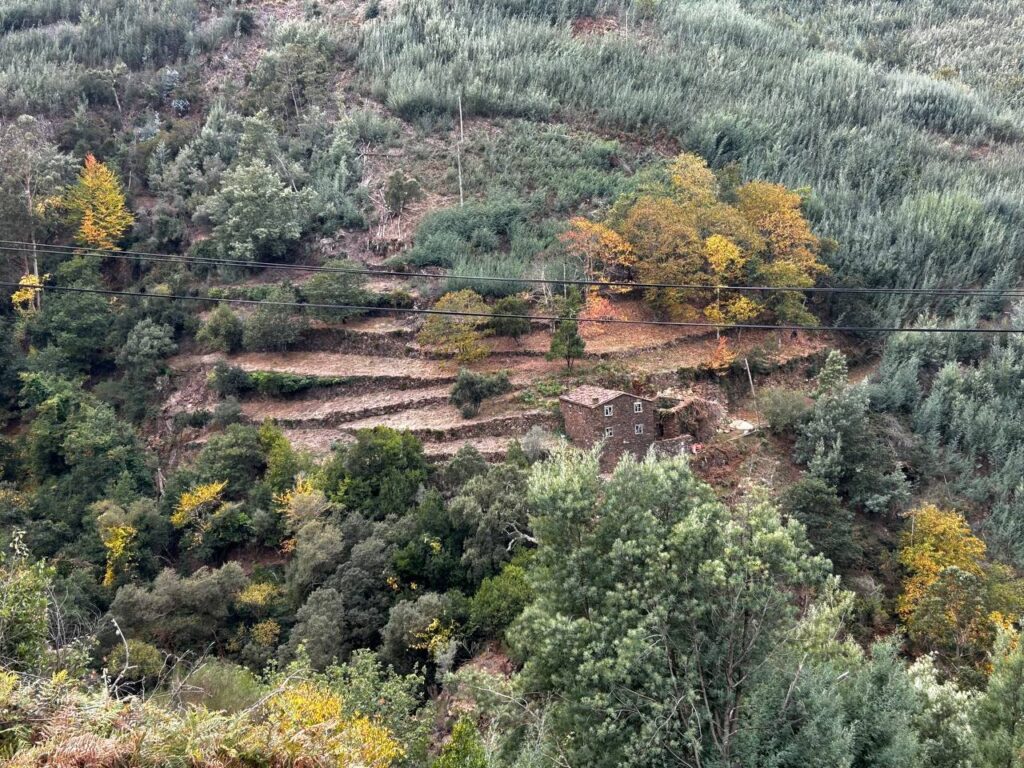
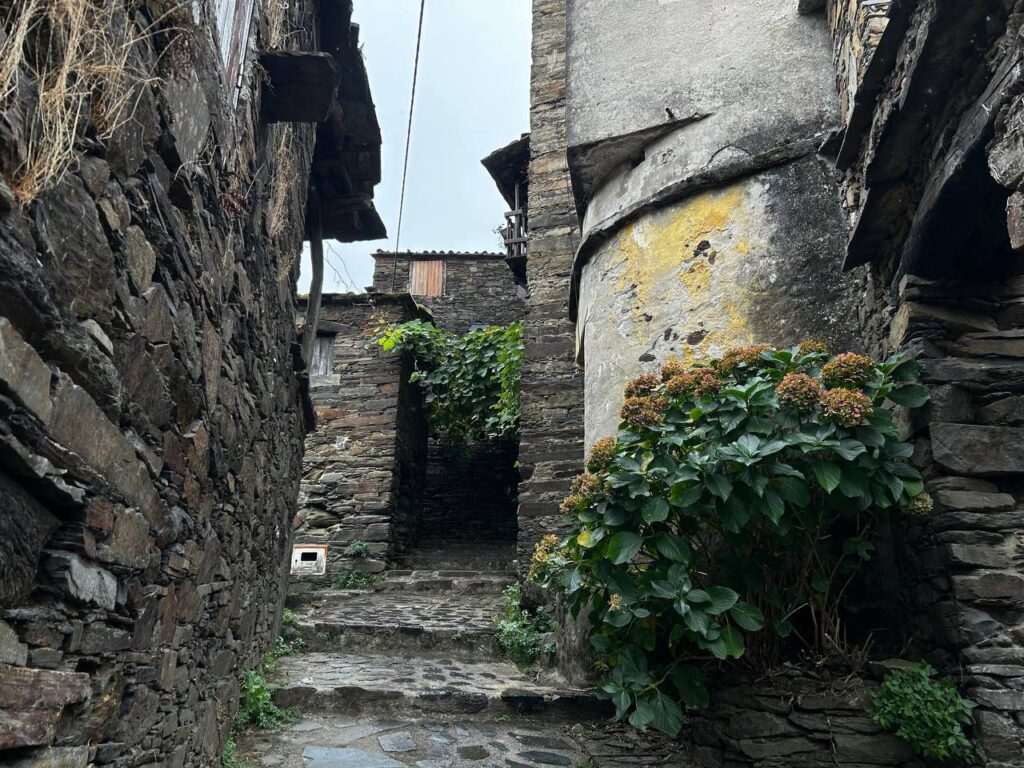
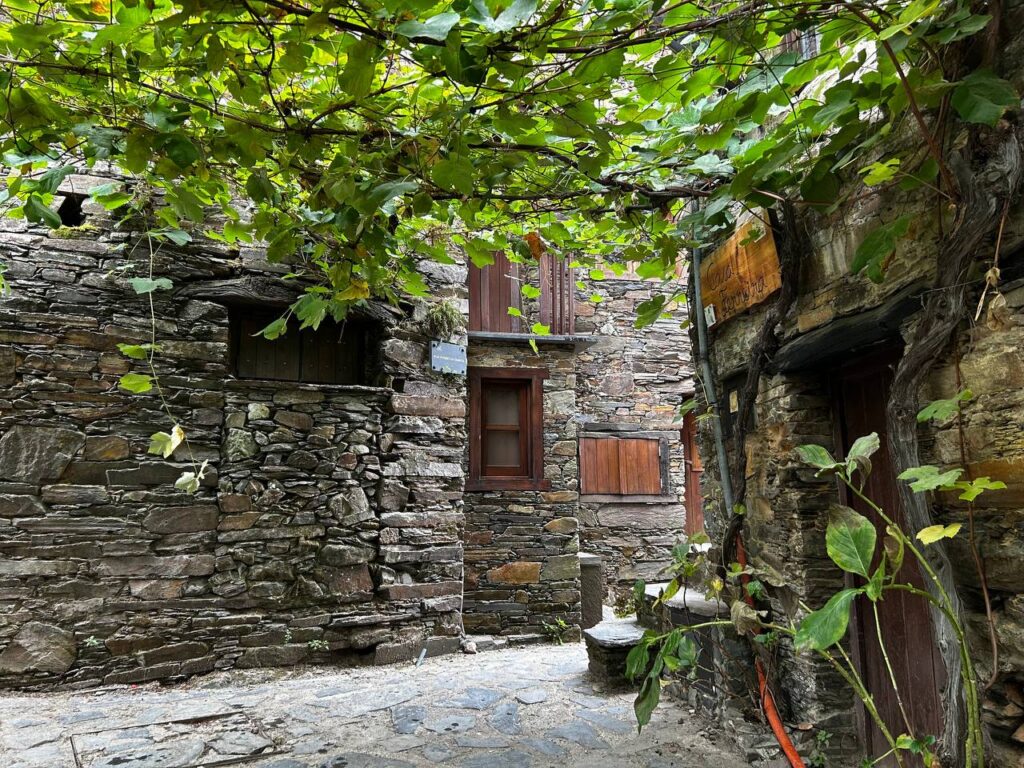
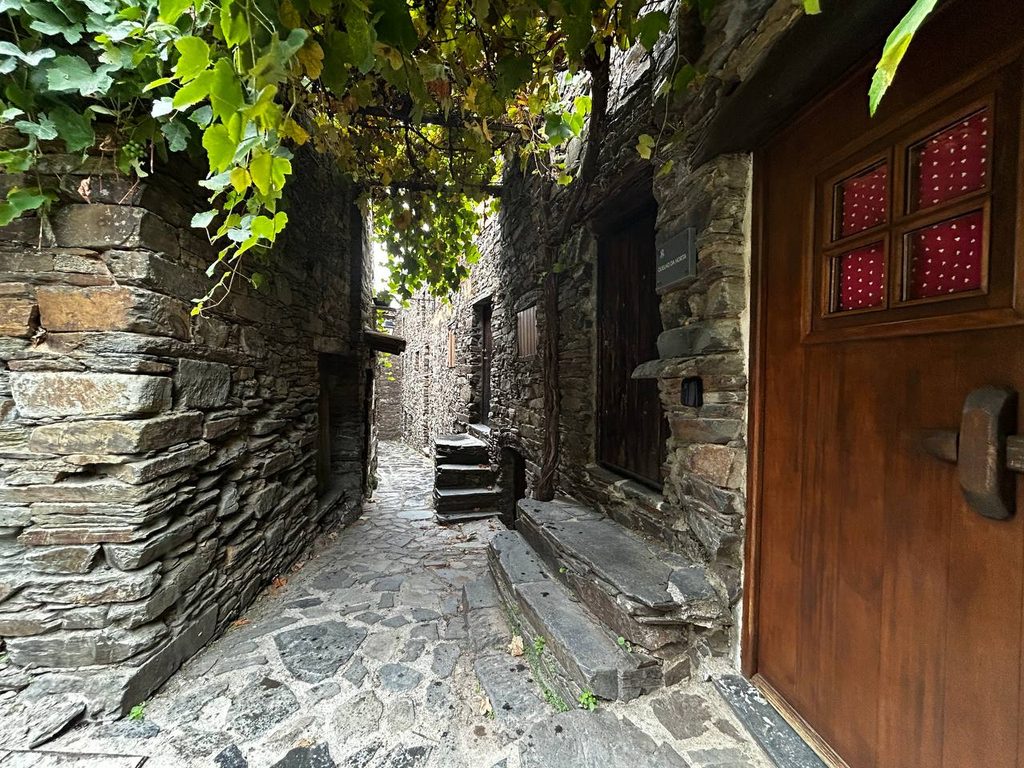
In 1911, the village is known to have had 129 inhabitants. The locals made olive oil.
Today it has just one permanent resident: Jorge Caetano, who runs the local bar.
According to various sources, up to 10 people may sometimes be staying in Talasnal at once — all of them here on holiday. Almost all the restored buildings have been turned into guesthouses.
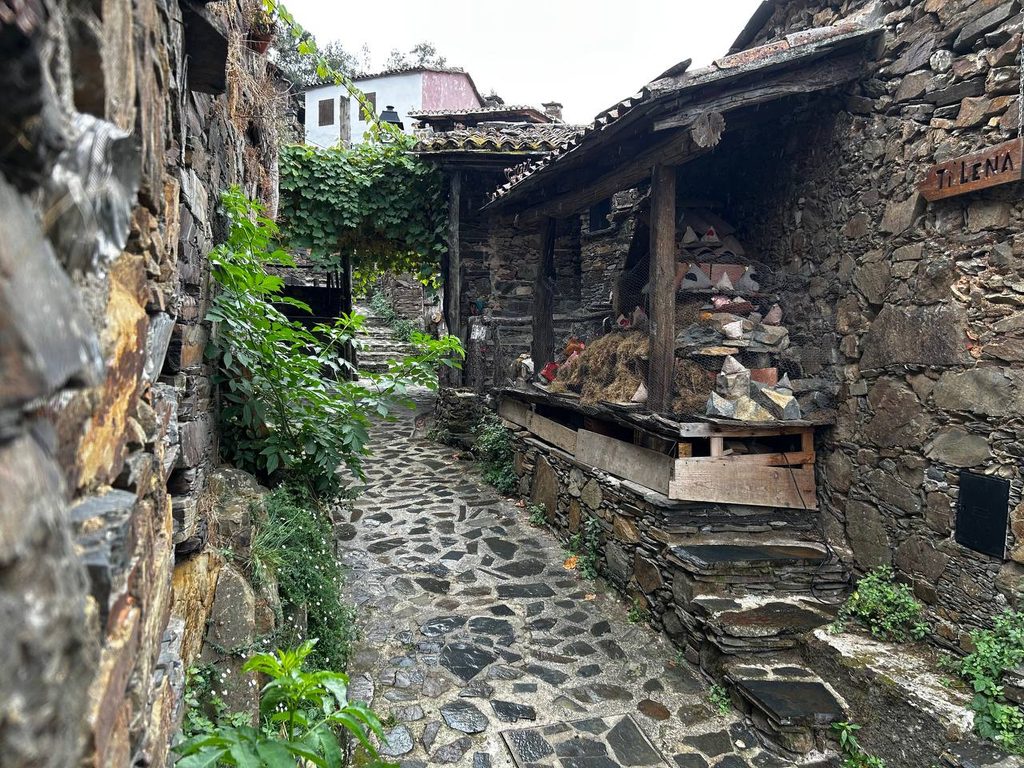
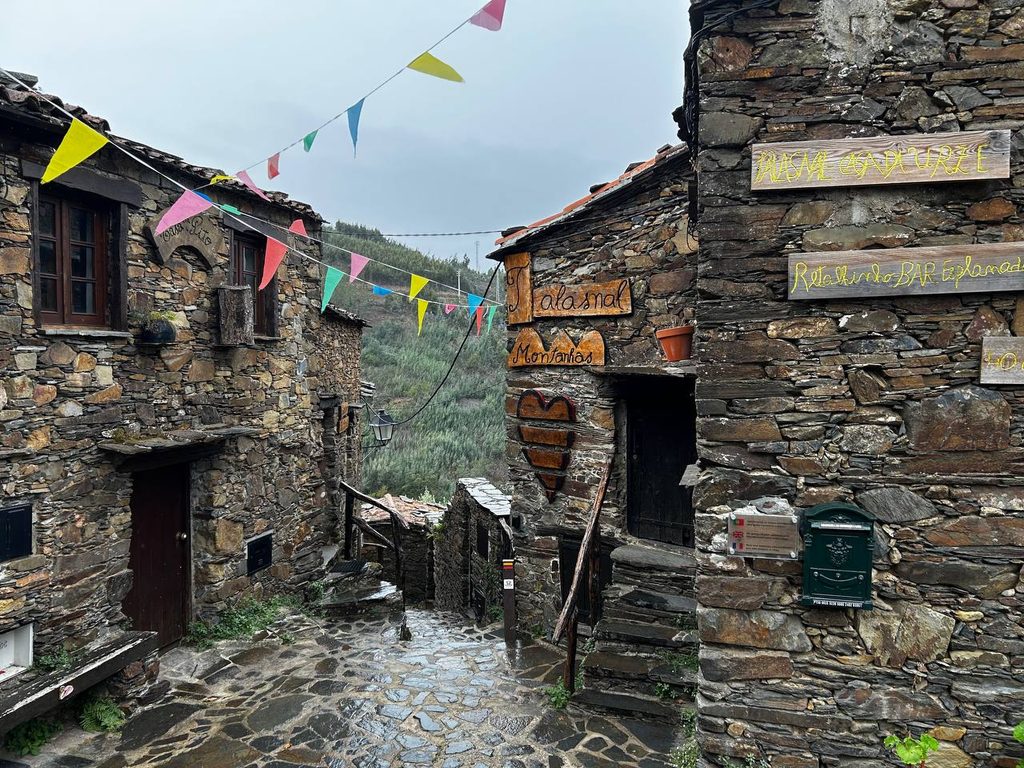
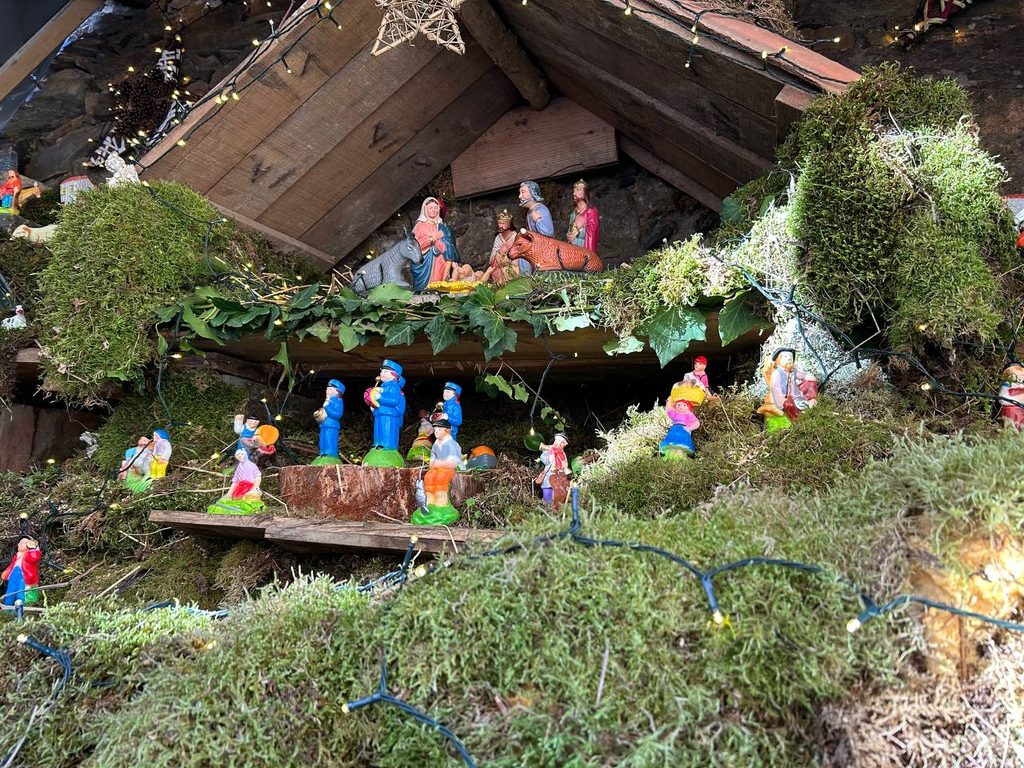
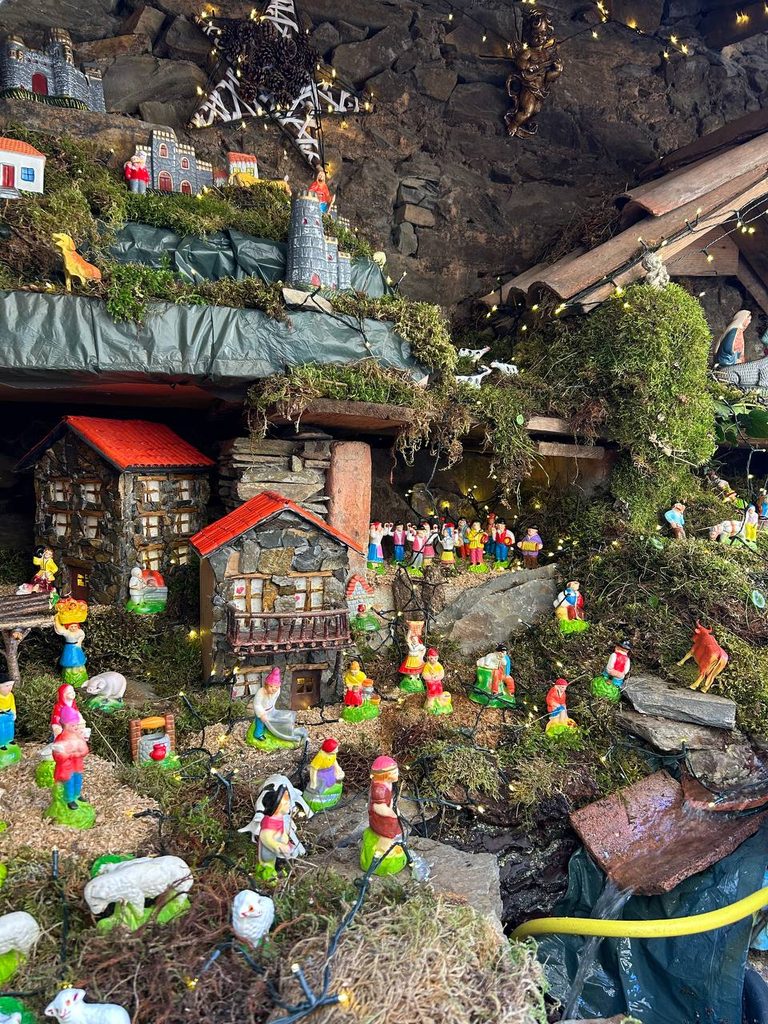
The village is especially popular over the Christmas holidays, when it turns into something like a gingerbread town.
Its lanes are lavishly decorated with fairy lights, Christmas wreaths and red ribbons.
You can reach Talasnal by car or on foot from Lousã. There are several versions of the trail, and you can take in three villages at once: Talasnal, Chiqueiro and Casal Novo. If you don’t feel like it, you can take a shortcut and visit only Talasnal. All the trails there are signposted.
Shepherds’ villages hidden in the woods
If one schist village isn’t enough, you can also visit two nearby settlements: Chiqueiro and Casal Novo.
Chiqueiro was originally a shepherds’ village, and to this day at least one family still grazes sheep here. The village’s name, however, refers to a different animal: chiqueiro means “pigsty.” It’s thought the village got its name because it really did have many buildings for keeping livestock. Not everyone who brought their flock to the village had a house of their own here, so shepherds sometimes had to sleep in literal pigsties.
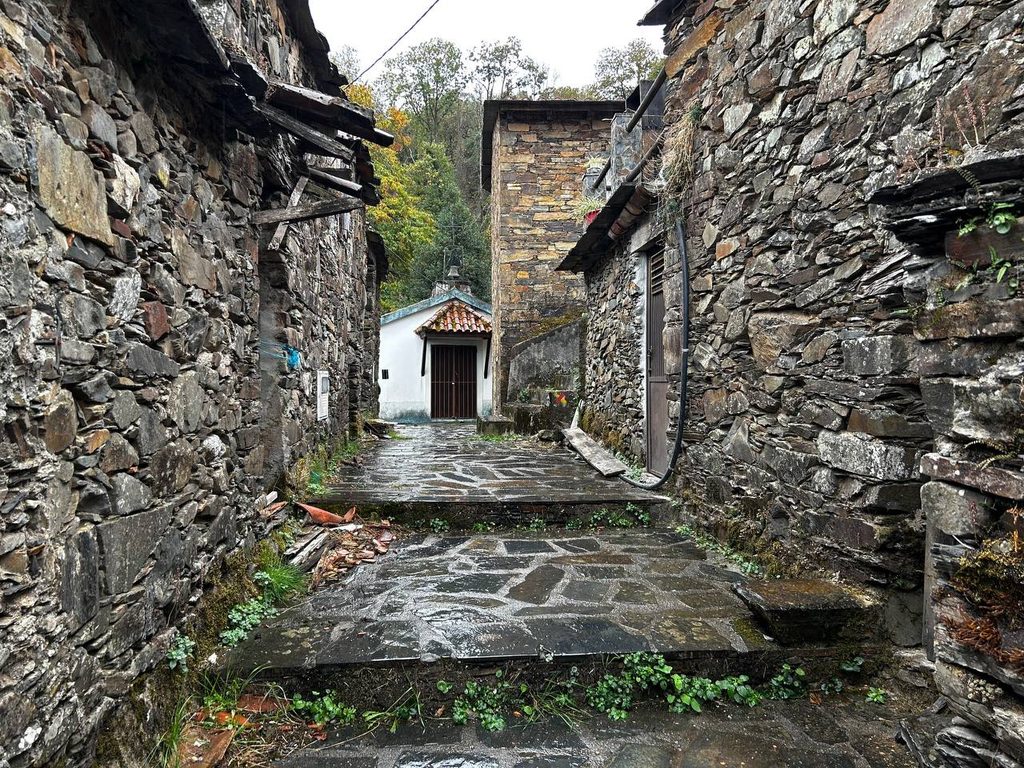
To reach this village, you have to climb even higher into the mountains. The houses are hidden by a chestnut grove, so you can’t see them from a distance. It’s a tiny hamlet: even in its best years only 45 people lived here.
This village has its own beautiful legend about the princess. In the late 1950s, locals were replacing the floor of the chapel and stumbled upon three graves containing jewellery. According to one popular local version, the treasures may have belonged to Peralta.
Another settlement hidden in the woods is Casal Novo, the smallest village in the area. It has had no permanent residents for almost 50 years. People say its fate is both tragic and ironic. Its last resident fought for many years to get a road and electricity brought to the village, but his efforts came to nothing.
And then, on the very day he packed his bags and left his home, he saw cars full of workers driving up.
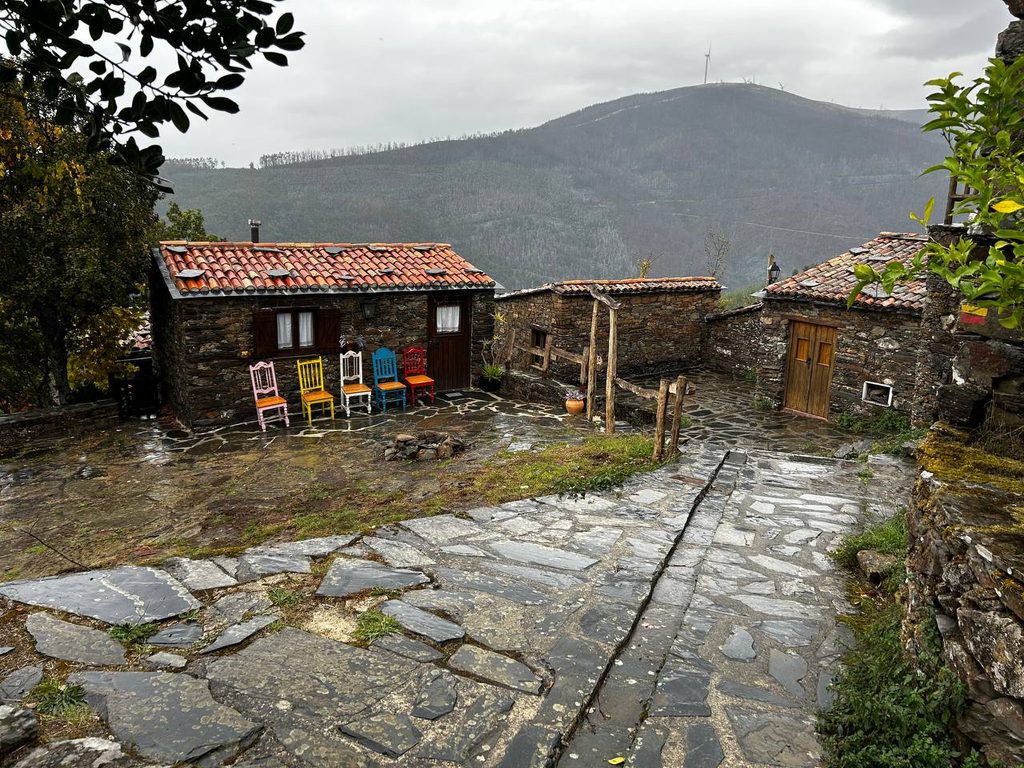
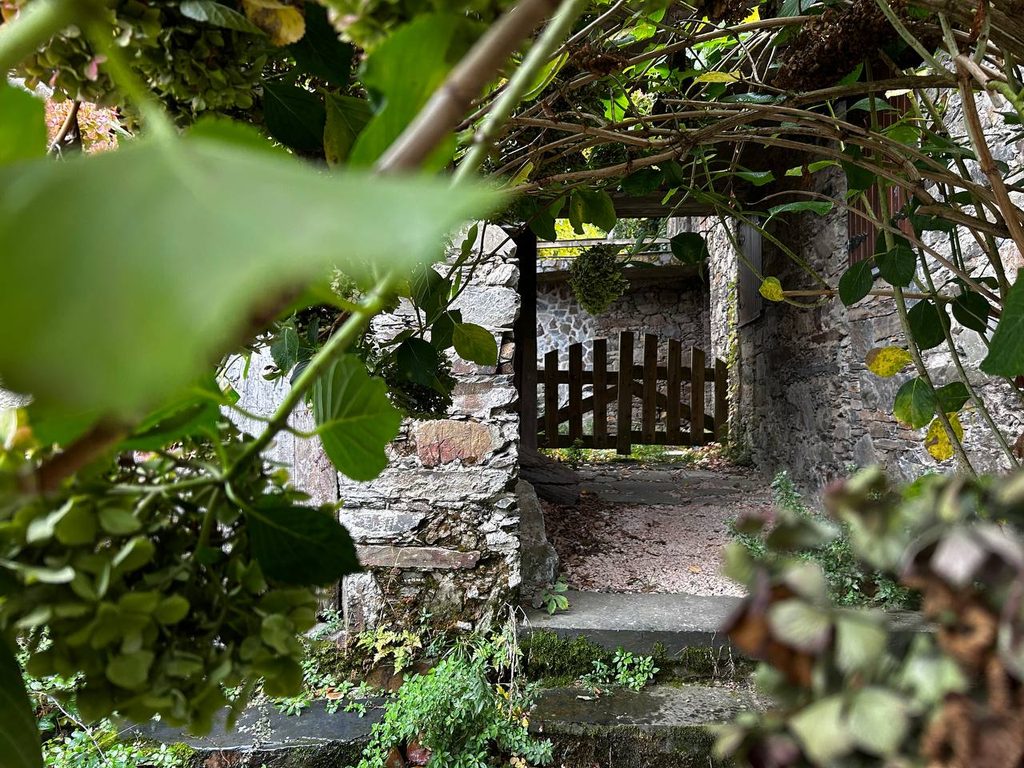
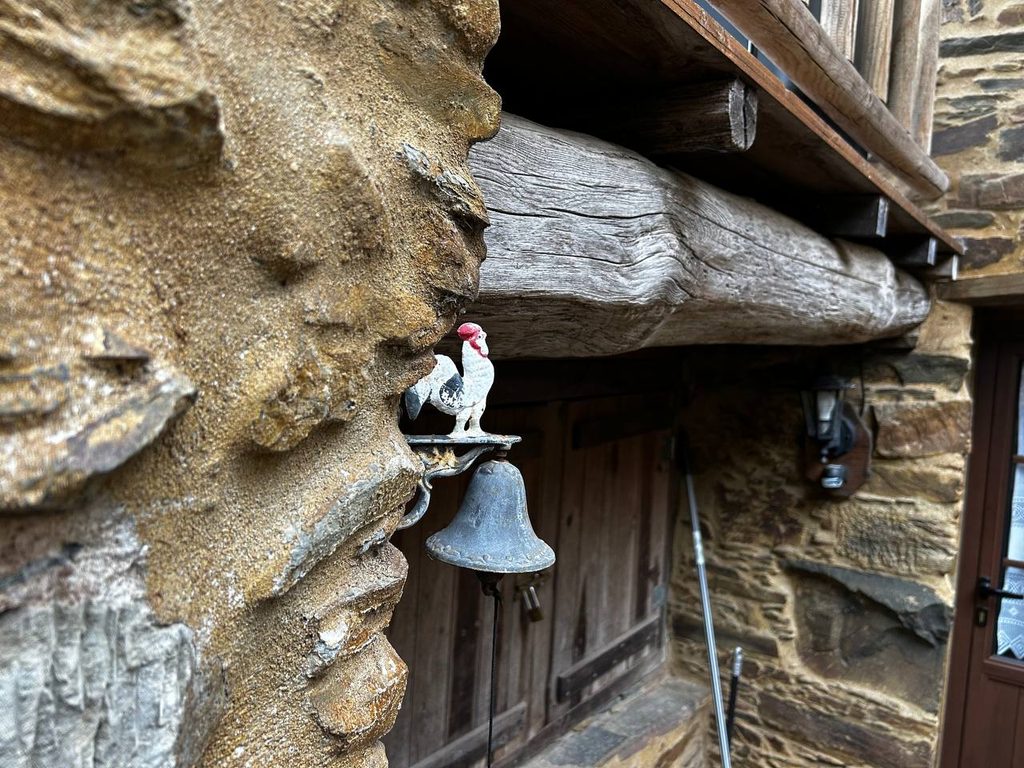
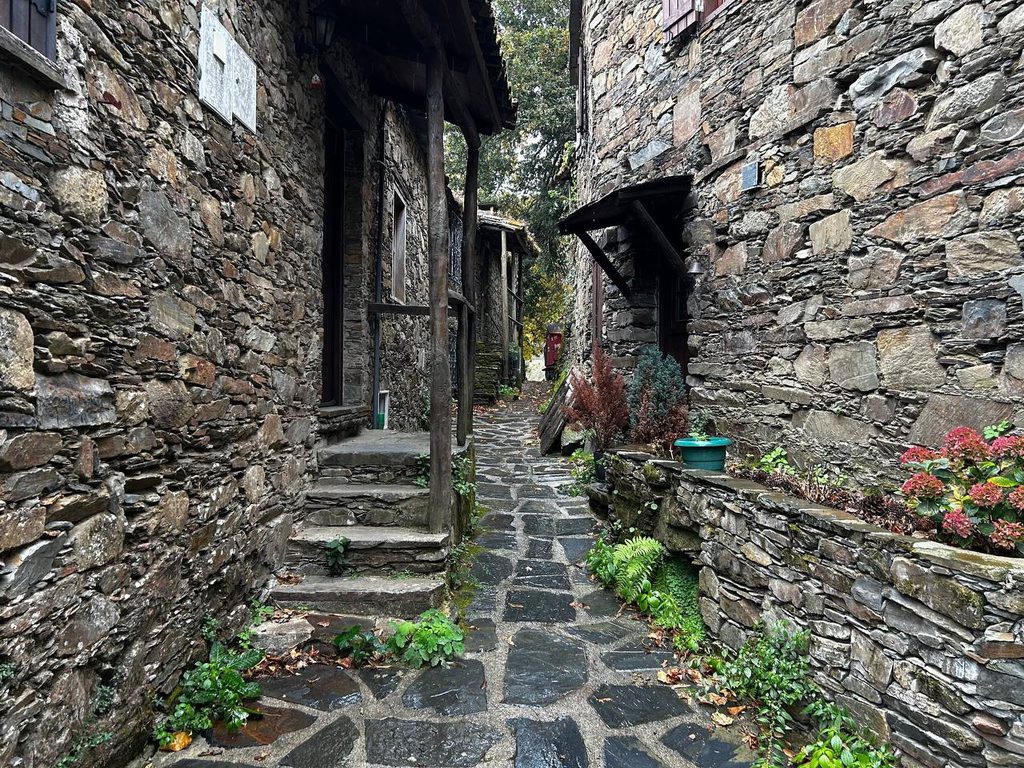
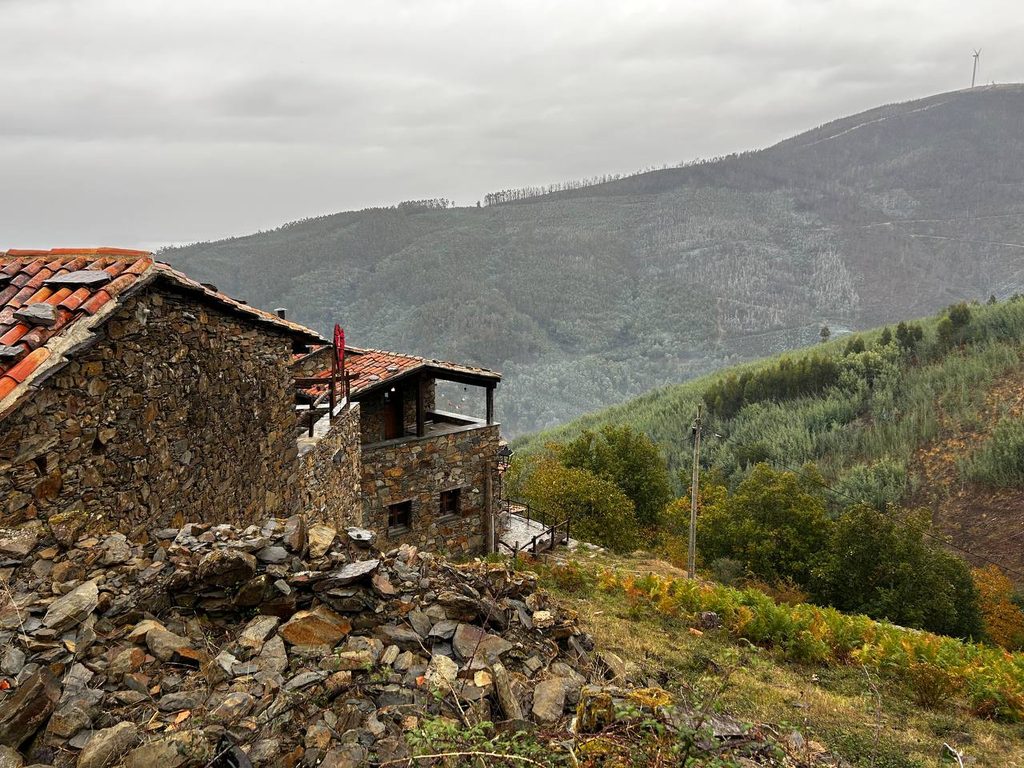
You can reach these two villages by car or on foot from Lousã. To get to Chiqueiro, you’ll have to climb a steep path. The trail is of moderate difficulty.
Local food
The pride of local cuisine is chanfana: mutton or goat cooked in red wine. It’s prepared in clay pots in a wood-fired oven.
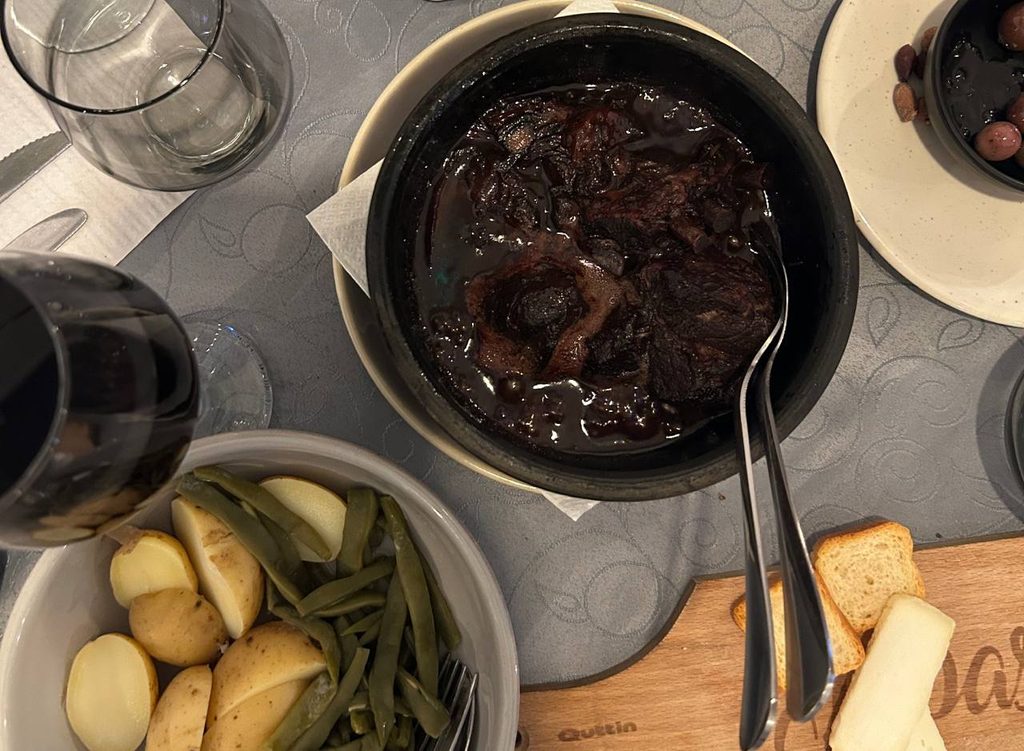
Lousã is also the birthplace of Beirão liqueur, which you’ll be offered in almost any local establishment. It’s also used in cocktails and desserts.
Where to stay
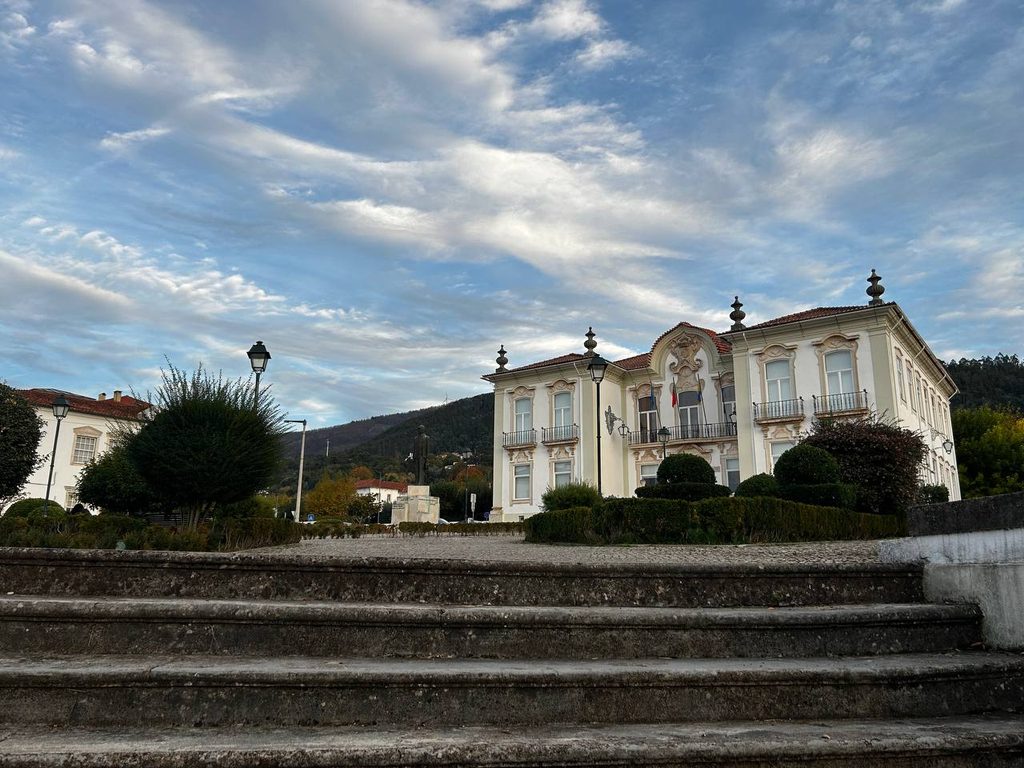
Palácio da Lousã. A boutique hotel in an 18th-century building with modern interiors, located in the town centre. Over the winter holidays, it offers a special package: two nights’ accommodation and a festive dinner. Prices start at €640 for two adults at Christmas and €940 for two adults at New Year. Without the package, a room costs around €150 a night, depending on the dates and room category.
OH Studios Lousã. An aparthotel near the Palácio da Lousã, also in the town centre. These are spacious studios with a kitchen and private bathroom. Check-in is self-service: there’s a code lock on the door, and the code will be sent to you. From €60 a night.
Lousã Varandas House. Here, the lovely Senhora Margarida rents out rooms on the upper floor of her two-storey home. The rooms are large — more like studios, with a separate entrance and private bathroom. The house is right opposite the metrobus stop, and the balcony has a wonderful view of the mountains. From €70 a night.
And if you’re ready to live away from urban comforts, you can rent one of the many guesthouses in the surrounding villages.
What to do in Lousã itself
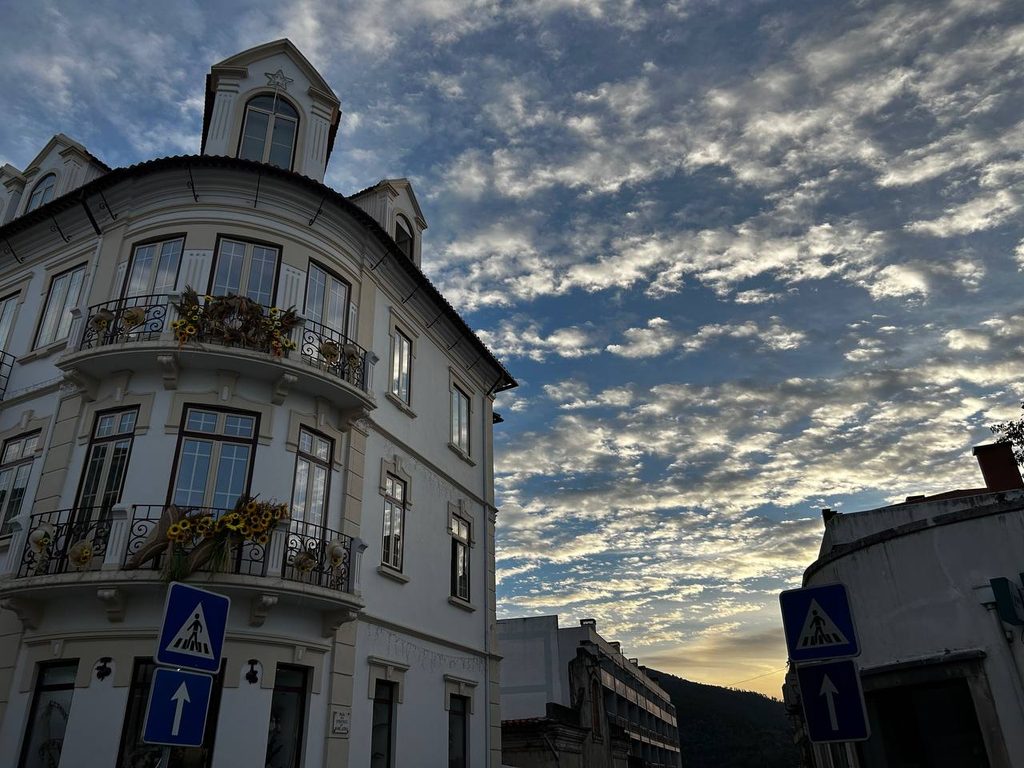
Lousã is a very pleasant town. If you only know Portugal from big cities like Lisbon, Porto and Faro, it’s a great chance to see the country from a new angle.
There are no traffic jams, no couriers with big backpacks zipping around on bikes and mopeds, and the streets smell of wood smoke from chimneys.
The town centre has several historic buildings, a local history museum and a theatre that hosts plays, film screenings and exhibitions. For daytime leisure, there’s a brunch café with board games, and in the evening there’s Bar Mina, which hosts all sorts of events: film screenings, workshops and parties.
Photos: Yuliana Prus