Behind the restaurants and bars we drop into for dinner or a glass of wine are people with their own cultural background, unusual pasts, particular habits and their own ideas of what a good place should be. For many of them, Lisbon became a new starting point. They came from different countries, bringing family recipes, professional experience and a love of their own cuisine, and turned it all into a business here. For Xpat.Land, Davier Sevie explored how these projects come about, why people decide to start a business in a foreign country, and how a personal story becomes part of the city’s food map.
Santa: a love of Lisbon through Portuguese cuisine
Owner: Danilo Dantas (Brazil)
Danilo was born and raised in Copacabana, one of Rio de Janeiro’s best-known neighbourhoods. Brazilian culture taught him to value life’s simple pleasures: gathering around one table, sharing food and spending time together. Later came Los Angeles, and then Lisbon — the city where he decided to create his own restaurant.
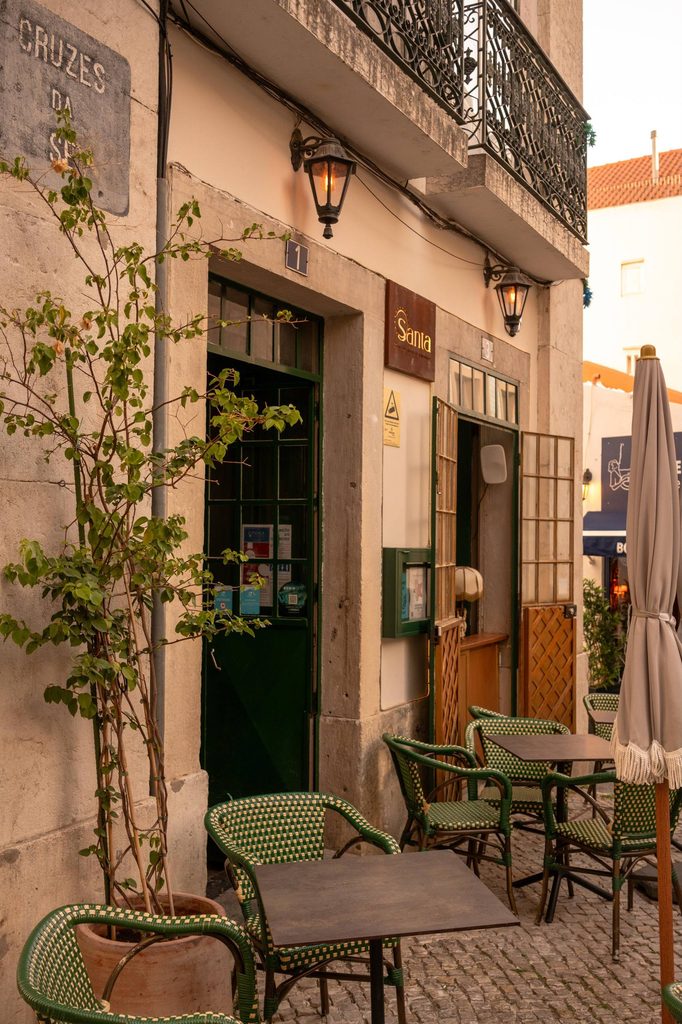
That’s how Santa (Instagram) came about: a Portuguese restaurant near Lisbon Cathedral, in the heart of Alfama. From the start, the idea was to introduce guests to Portuguese cuisine in a warm, relaxed atmosphere. For Danilo, food is a way to get to know a city’s culture, share the joy of company and feel part of local life.
Despite his Brazilian roots, Danilo has always felt a special affinity for Portuguese culture. Santa became his way of expressing that connection and building something of his own in a city close to his heart.
Over the years, the restaurant’s concept has changed. Danilo has learned that running your own business means constantly learning, making tough decisions and being ready to adapt. Managing a team, costs, guests’ changing needs — all of this takes not just passion, but daily discipline.
One of the main lessons he has taken from the experience is the need to change without losing your own identity.
Sometimes growth means rethinking the original idea, finding a new approach and redefining what the guest experience should be.
Today, Santa is moving towards a clearer concept focused on Portuguese petiscos — tapas-style small plates — and drinks. Petiscos, small dishes meant for sharing, hold a special place in Portuguese food culture. They set a certain rhythm for the evening: try several different flavours, order a glass of wine, talk and take your time. Another important symbol of Portuguese cuisine for Danilo is bacalhau, salt cod, whose history is closely tied to the country’s culinary traditions.
Much of Santa’s character comes from its location. Alfama is one of Lisbon’s oldest neighbourhoods, where history, architecture and everyday city life sit side by side. The surroundings themselves become part of the experience Danilo wants to give his guests.
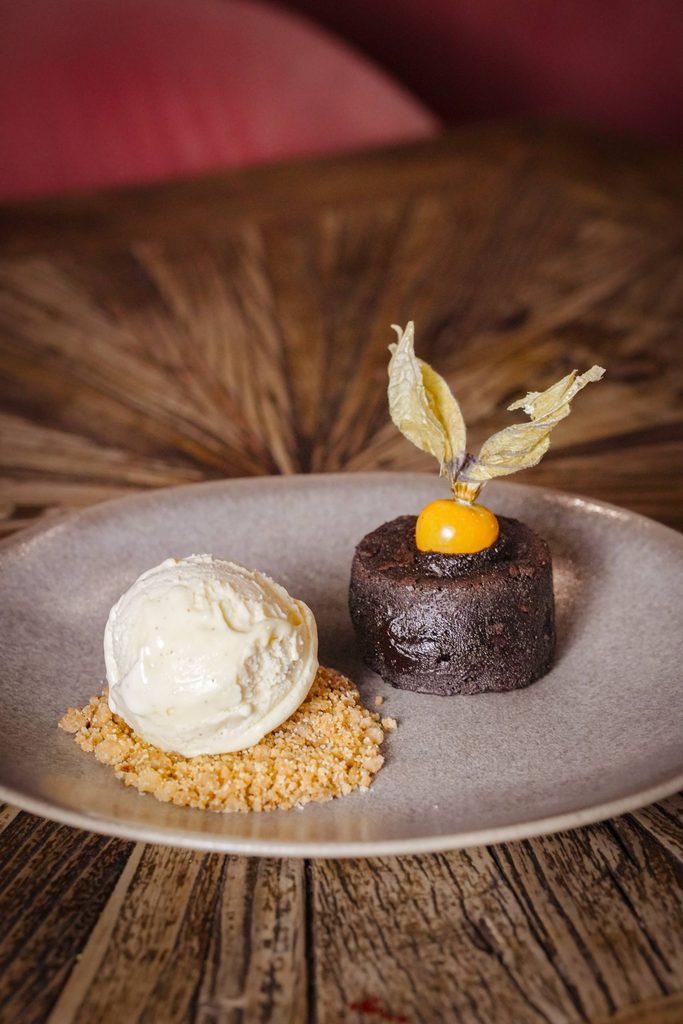
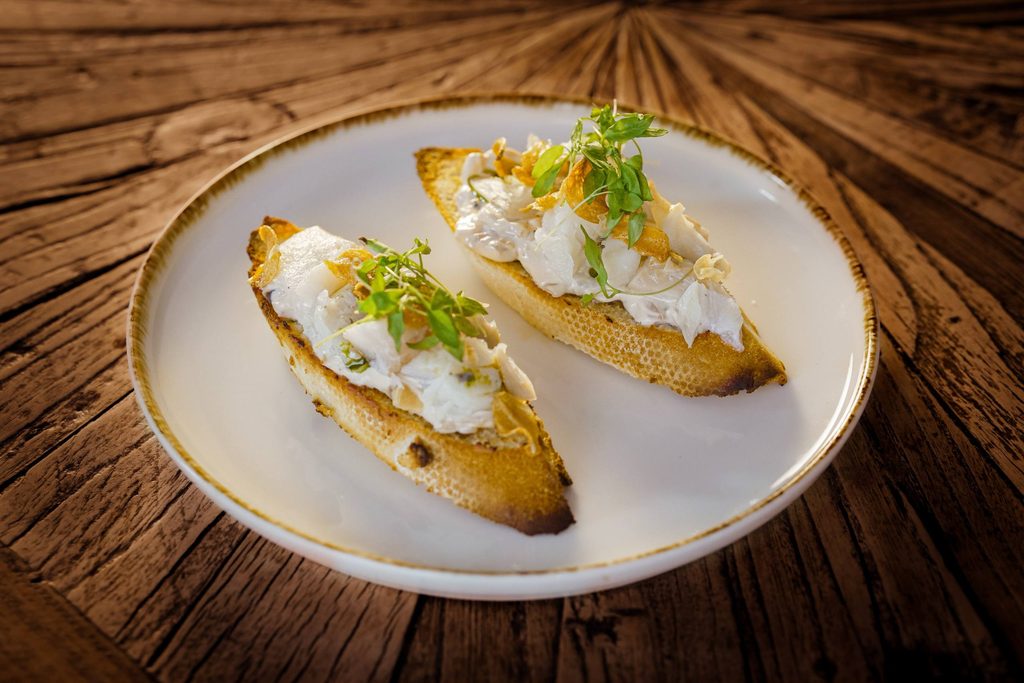
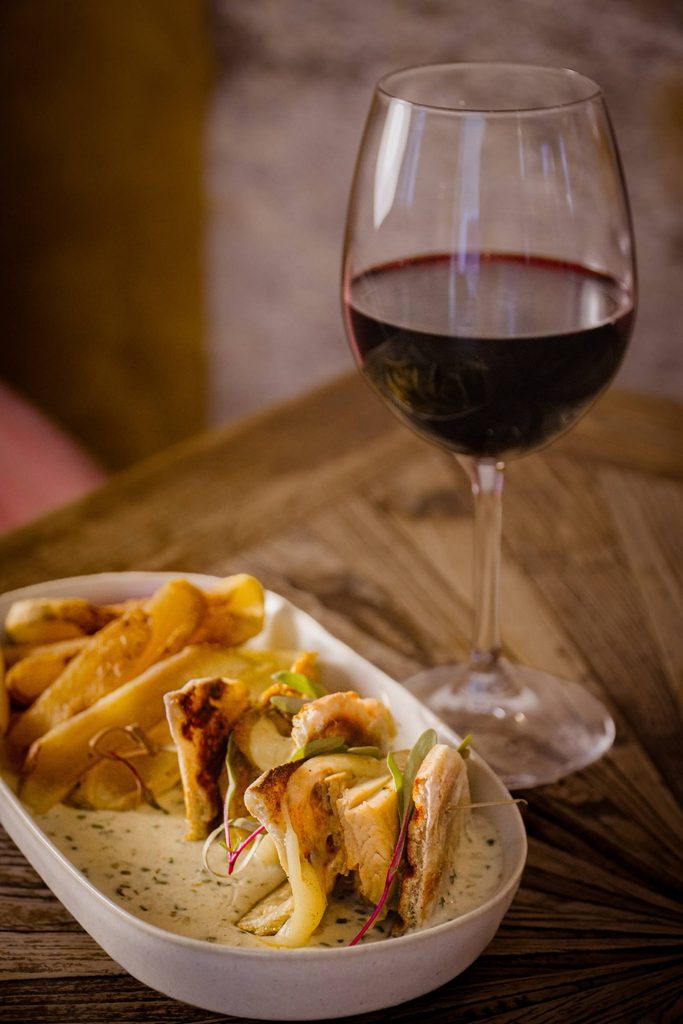
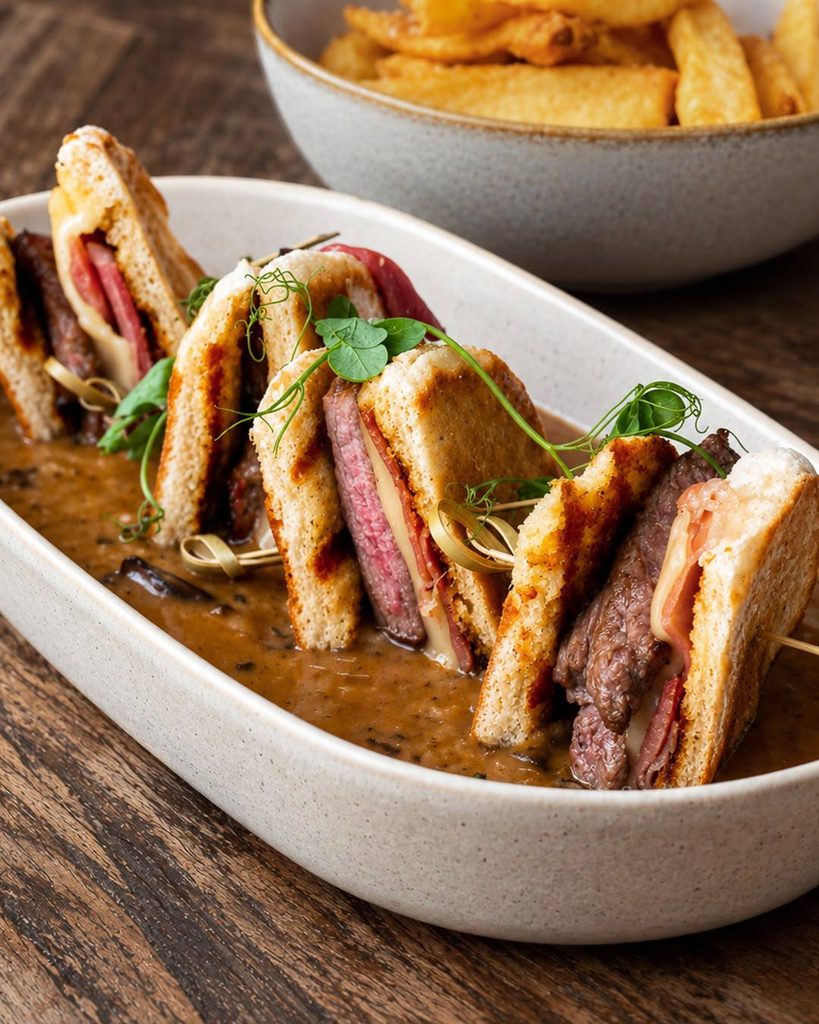
Behind the ease that visitors feel lies a great deal of work. Santa has around thirty seats. For Danilo — and, of course, for the guests’ comfort — every detail matters: how the kitchen and service are organised, cost management, team coordination and a constant search for ways to improve the experience. In an independent restaurant, much of this stays invisible to guests, yet it’s precisely these daily decisions that shape the overall feel of the place.
UMMU: a place where they know your name
Owner: Kseniia Khomiakova (Russia)
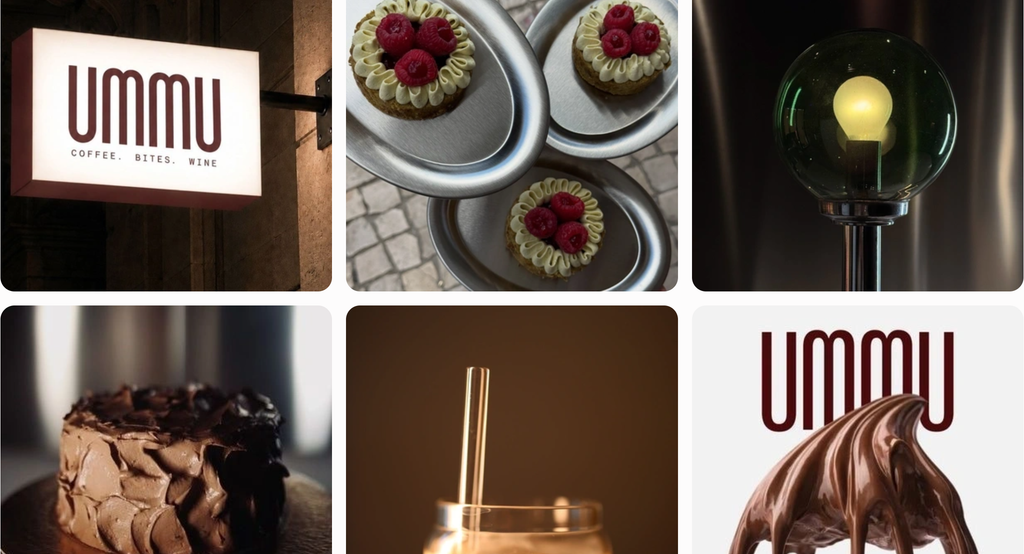
When she moved from St Petersburg to Lisbon, Kseniia wanted to bring her own idea of flavour, service and hospitality to the city. She had long been interested in the restaurant business, but it was in Portugal that this interest gradually turned into the idea for her own project.
It all started with meeting like-minded people and searching for the right premises. That’s how the concept of UMMU (Instagram) gradually took shape: a space where guests and the team feel equally at home. Here, food is combined with a thoughtful interior and a relaxed atmosphere that encourages conversation.
The project is built on a personal approach. All dishes, from mains to desserts, are made by hand in their own kitchen, with no ready-made products. But the same attention goes into what happens outside the kitchen. The team knows regulars by name, remembers their habits and asks how their day is going. For Kseniia, it matters that everyone feels welcome, whatever the weather, their mood or their circumstances.
“People even come in just to talk,” says Kseniia.
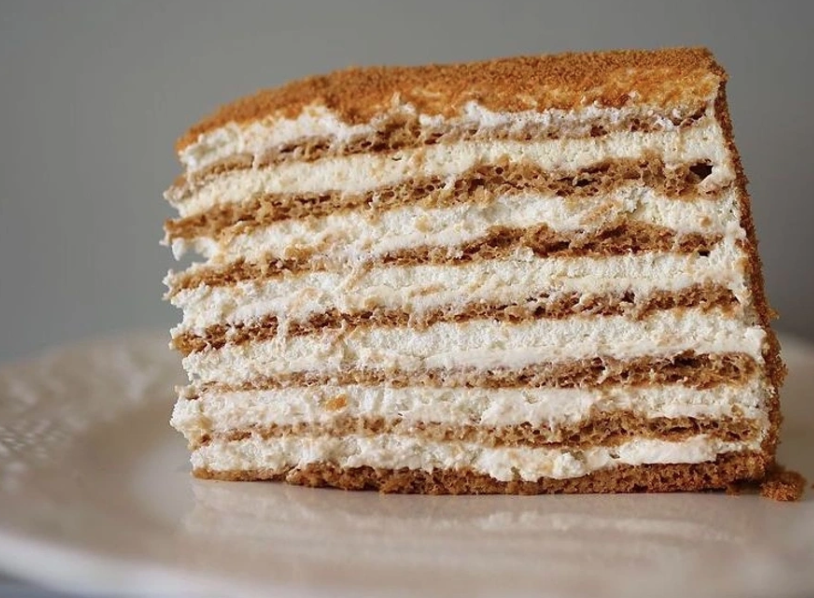
UMMU opened in Campo de Ourique, a Lisbon neighbourhood popular with foreigners. Yet many of its guests are locals, and that matters a lot to the founder: the restaurant becomes part of the neighbourhood’s life rather than existing apart from it. One of UMMU’s signature dishes is medovik, a Russian layered honey cake. People order it after dinner and come back for the familiar taste — for many guests, it has become an essential part of the visit.
The plan is to develop events: tastings, workshops and themed evenings that bring people together around shared interests. UMMU is meant to be a place where you can not only eat, but also meet new people, learn something and spend time together.
For Kseniia, UMMU has become a place for meeting people and making new friends. Gradually, a community is forming around it — people united by the desire to come back. In this way, through everyday conversation and attention to guests, the restaurant is becoming part of its neighbourhood’s life.
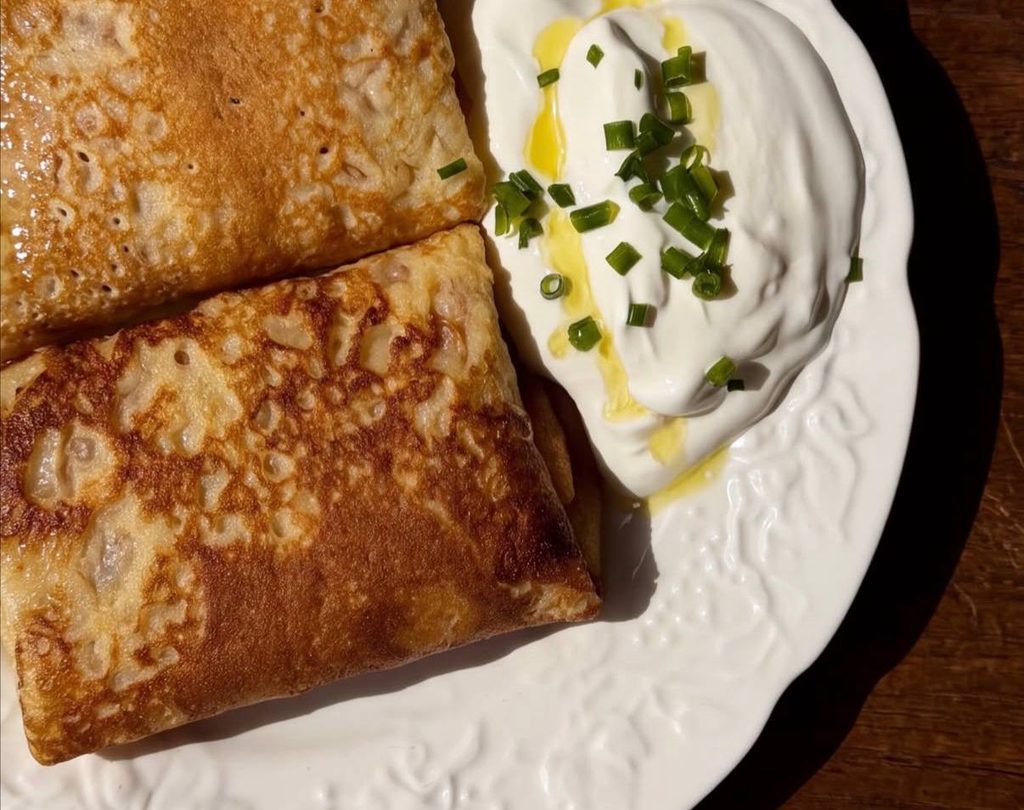
Bistro Edelweiss: a taste of home you can create anew
Owners: Marc Lupien and Ädu Wahlen (Sindi) (Canada, Switzerland)
When Marc and Sindi, the chef at Bistro Edelweiss, decided to move to Lisbon, they already knew what it meant to run their own place. Before Portugal, the couple lived in Nice, in the south of France, where they had a bar. Over time, though, it became clear that it wasn’t a place they wanted to stay long-term. They began looking for another city where they could not only open a new business, but also build a life that truly suited them.
At first they considered Barcelona, but it didn’t feel right either. Lisbon made a completely different impression. Marc is from Quebec, and here he sensed something familiar: people’s openness, their friendliness and their readiness to help.
They first visited the city between Christmas and New Year, and it went so well that they soon decided to move. Despite the 2009 financial crisis, they managed to sell their bar in France. In spring they returned to Lisbon, spent several weeks exploring different neighbourhoods and trying to work out where they’d like to settle. In June 2009, the couple moved for good.
Marc and Sindi’s first venture in Portugal was a small bar, Heidi, in Bairro Alto. They had meant to leave nightlife behind, but ended up returning to what they knew — simply because they were good at it. Over time, though, they wanted a different pace. A restaurant offered the chance to focus on food and hospitality without building their whole lives around a night-time schedule. That’s how Bistro Edelweiss came about, opening in October 2012.
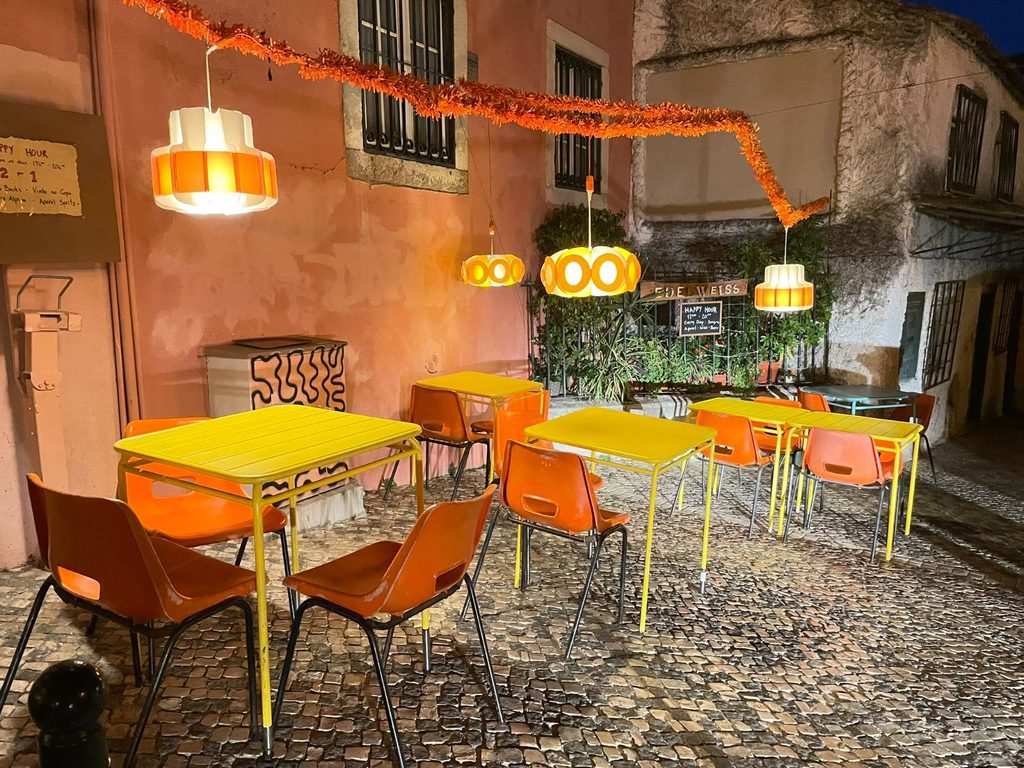
They found the premises fairly quickly, but transforming them took time and a lot of hands-on work. Marc and Sindi wanted to create not just a Swiss restaurant, but a place with a special character — quiet, cosy and reminiscent of a mountain chalet.
The neighbourhood played its part too. Marc describes it as a small island of calm in the middle of a busy city. Lively streets, popular meeting spots and tourist routes are just around the corner, but the restaurant itself sits in a quiet residential corner. Here you can briefly escape the city’s rhythm and feel as if you’re somewhere else.
Bistro Edelweiss’s philosophy is largely built around home cooking and taking things slowly. The inspiration came from grandmothers’ recipes — simple dishes that need time, patience and care with ingredients. There’s no attempt to turn every recipe into a culinary show. On the contrary, the aim is to give food back its familiar, almost family value.
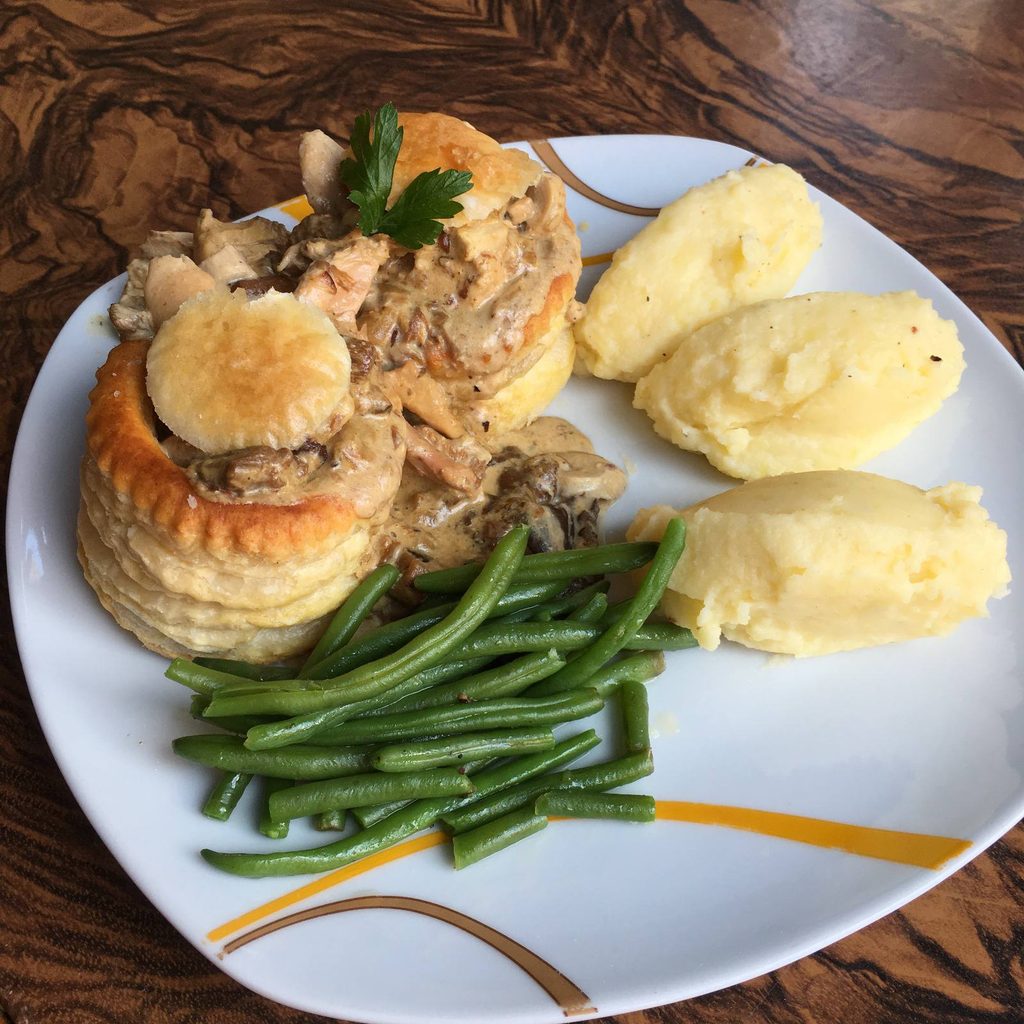
One of the restaurant’s best-known dishes is cheese fondue. But its popularity has a downside: many people see Bistro Edelweiss only as a place that serves fondue. Marc and Sindi would like guests to discover other Swiss dishes too — for example, rösti, a traditional potato pancake that can also be made vegetarian, or spätzle, fresh homemade pasta popular in Switzerland and neighbouring countries. Making spätzle takes handwork and attention to detail, so it’s rare to find it made this way.
But what matters most to the founders isn’t individual dishes — it’s the feeling people leave with.
An ideal evening at Bistro Edelweiss should feel like Sunday at grandma’s.
No one is in a hurry, and no one should feel stressed. You can choose your side dish, ask for a dish to be changed and stay at the table as long as you like. One person prefers mashed potatoes, another roast potatoes, and everyone gets exactly what they like. The only rule: don’t rush “grandma” — that is, the staff.
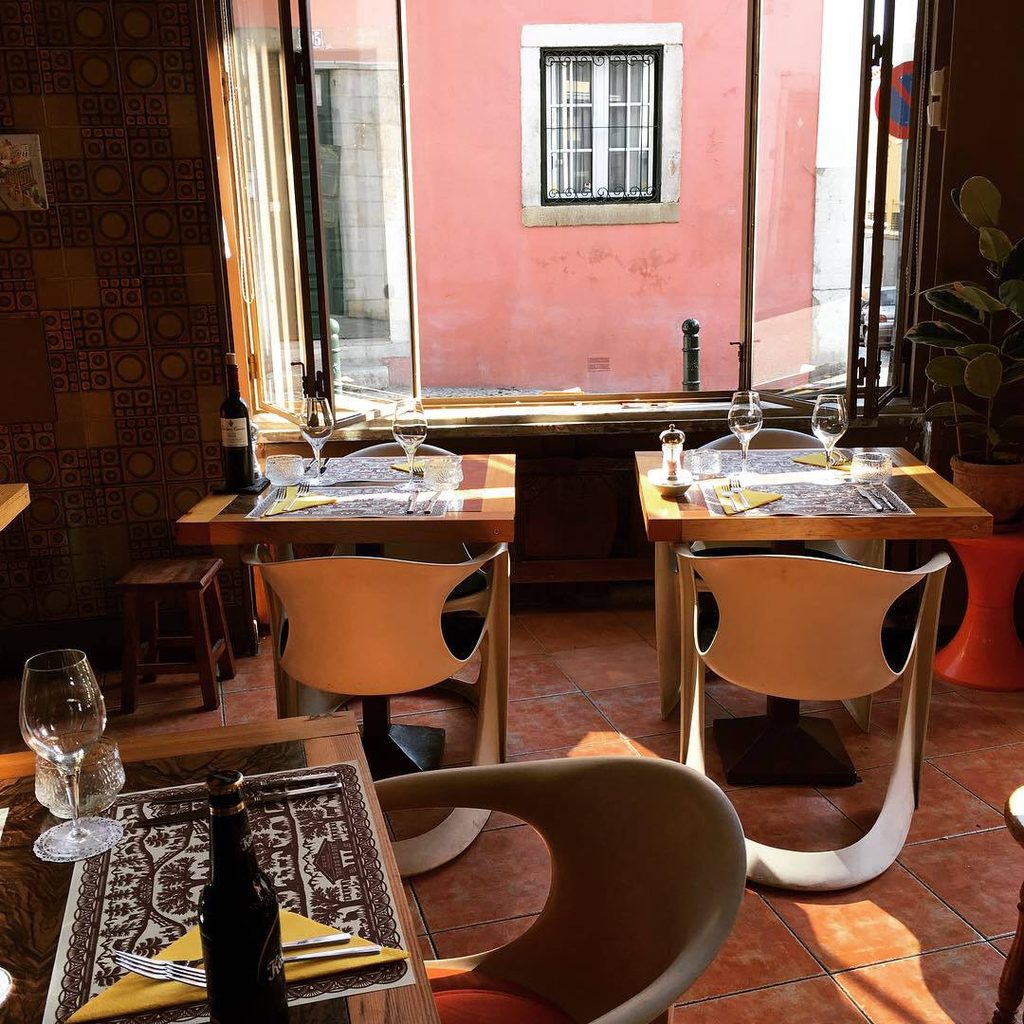
The same idea continues in the interior. Soft lighting, a vintage TV showing a fireplace, French chanson and a calm atmosphere make it feel more like a living room than a restaurant. Marc and Sindi say they wanted to recreate a 1970s Swiss chalet, with its cosiness, slightly old-fashioned charm and the sense that time runs differently here.
Over the years, Bistro Edelweiss has come to embody the lifestyle the couple was looking for when they decided to leave France. It’s a story of how to gradually create your ideal place with your own hands — through daily work, your own decisions and attention to what really matters.
Lumbini: a journey through three countries and a link to home
Owner: Mahendra Sapkota (Nepal)
Mahendra’s restaurant journey began long before he arrived in Lisbon.
He was only 16 when he moved from Nepal to Japan.
That’s where he first encountered the restaurant business, working in catering. Over time, restaurant work became the career he chose to devote himself to.
Over the next five to seven years, Mahendra gained experience, learned the business from the inside and decided to open his own restaurant in Japan. Its menu featured Nepali and Indian dishes — the same culinary traditions he now represents at his restaurant Lumbini (Instagram) in Lisbon.
So moving to Portugal wasn’t the start of an entirely new story for him. By then, Mahendra already had professional experience, an understanding of the restaurant business and a long-held dream of continuing to grow his own venture. When he decided to move to Europe, where his family lived, Lisbon gave his career exactly that opportunity.
Today Lumbini brings together different stages of his life: his youth in Nepal, his working years in Japan and his present in Portugal. Through the restaurant, Mahendra wants to introduce Lisbon residents to Nepali and Indian cuisine, creating a space where people from different cultures meet at the same table.
The restaurant’s name has special meaning for him. Lumbini, in Nepal, is the birthplace of the Buddha. By choosing this name, Mahendra wanted to express his love for his country and keep a connection with its culture and heritage. For him, the restaurant became a way to bring a piece of home to a new country and share it with people who may never have been to Nepal.
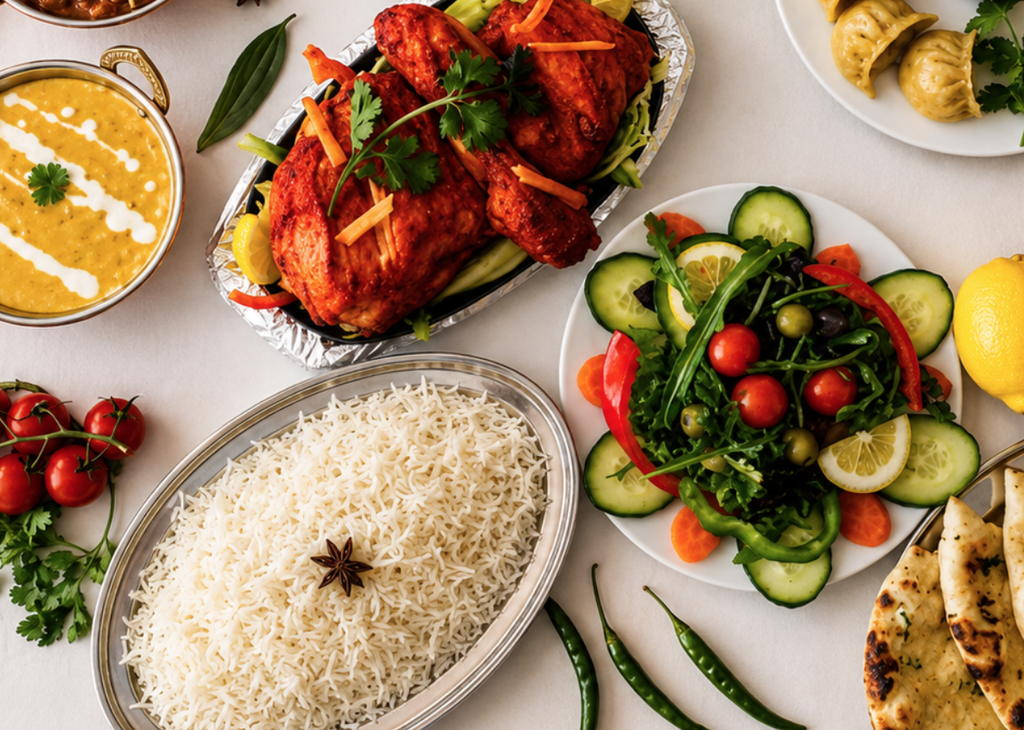
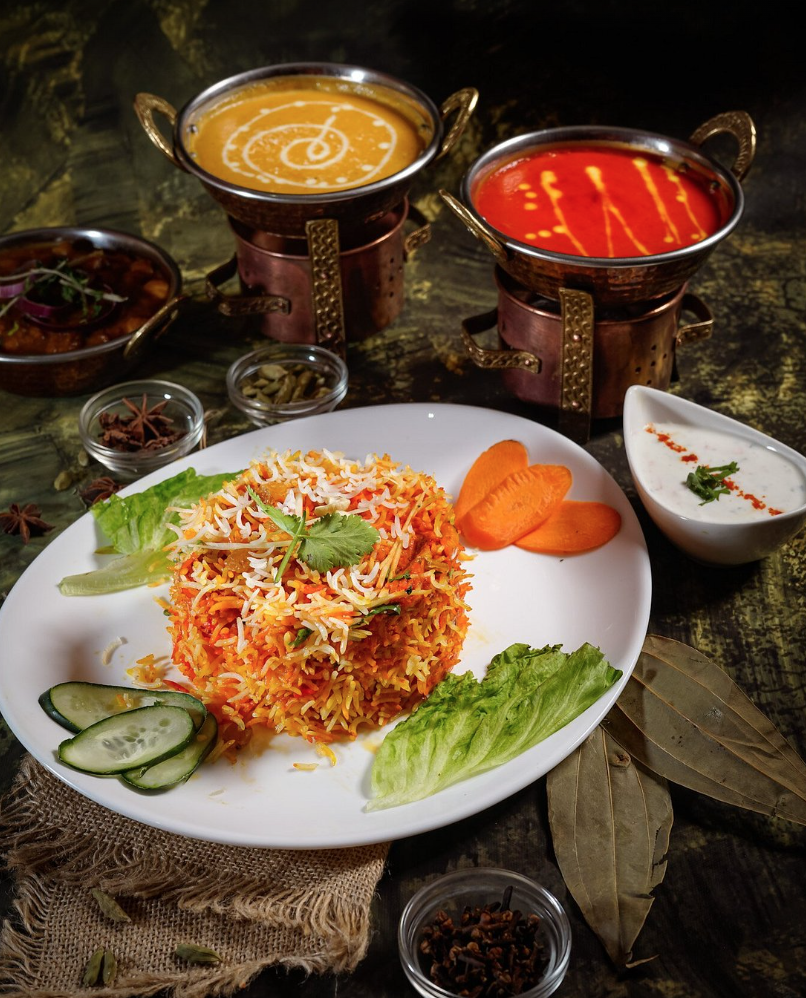
This link to the past shows above all in the food. Among the dishes that best represent Lumbini, Mahendra singles out momo, traditional Nepali dumplings that are especially important in the country’s food culture, and Nepali malai kebab. Alongside them, the menu features popular Indian dishes, including chicken tikka masala and butter chicken.
But the restaurant’s culinary story isn’t limited to one country. The menu also includes Japanese karaage — a dish that reminds Mahendra of his years in Japan — as well as more unusual combinations, such as basil and cheese naan or salmon and cheese naan. In this way, Lumbini brings together different influences gathered over years of living and working in several countries.
At Lumbini, Mahendra aims to combine quality cooking, respect for culinary traditions and genuine hospitality. It matters to him that every guest feels welcome, can discover new flavours and is happy to come back.
Of course, opening a business in a new country takes adaptation. You need to understand the local audience, set up daily processes and solve many problems that guests don’t always see. But his experience in Japan gave Mahendra the confidence that he could continue his work in Portugal too.
Behind Lumbini lie years of work that began in his teens, and a journey that took him from Nepal through Japan to Lisbon. That experience taught Mahendra independence, patience and consistency — qualities that still matter today.
In the future, he wants to keep improving the food and service, introduce more people to Nepali and Indian culinary traditions and strengthen ties with the local community. At the same time, it’s important to him to keep the foundation the restaurant is built on: familiar flavours, hospitality and a connection to the culture where it all began.
For Mahendra, Lumbini is a dream he has carried since his youth, the result of many years of work and a way to stay connected to his homeland, even far away from it.
IF IF IF: Georgian hospitality, rubber ducks and a lifelong friendship
Owners: Tatiana Natroshvili and Natalia Trufanova (Russia)
Tatiana and Natalia have known each other since childhood: they grew up together in Taganrog, and years later met again in Lisbon to create their own project. Today IF IF IF is a wine bar devoted to Georgian wine, culture and traditions of hospitality. It grew out of both friends’ professional experience, their love of Georgia and their wish to grow in the wine industry.
By then, each had her own story with wine. Natalia had moved to Lisbon earlier and worked in the bar industry. Tatiana had spent much of her adult life in Georgia, where she also worked with wine and wanted to keep developing in the field.
When Tatiana came to visit her friend, they went for a walk around Lisbon, hopping from one bar to the next. Along the way they spotted a “for rent” sign on a shop. They took a photo of it, and the next morning decided they could open their own bar.
At first they planned a place devoted to Georgian chacha, but the concept soon changed. That’s how the wine bar came about, with Georgian wine at the heart of the whole project.
IF IF IF opened just a month and a half after the friends found the premises. Most of the budget went on rent, equipment and wine, so they did the renovation themselves: they painted the walls, assembled the furniture and fitted out the space with their own hands.
One of Tatiana and Natalia’s favourite jokes dates from that time.
They say that almost the entire renovation is held together by ordinary plastic cable ties.
This detail became a symbol of their practical approach and their knack for making do with whatever’s at hand. These days, a pack of cable ties would make the perfect gift for them.
Behind the ease and the sense of humour lies serious work with wine. When the bar first opened, it stocked around seventy Georgian wines. Over time, the collection has grown to more than four hundred. The friends import wine from Georgia for their own bar and also distribute it, supplying other venues in Lisbon.
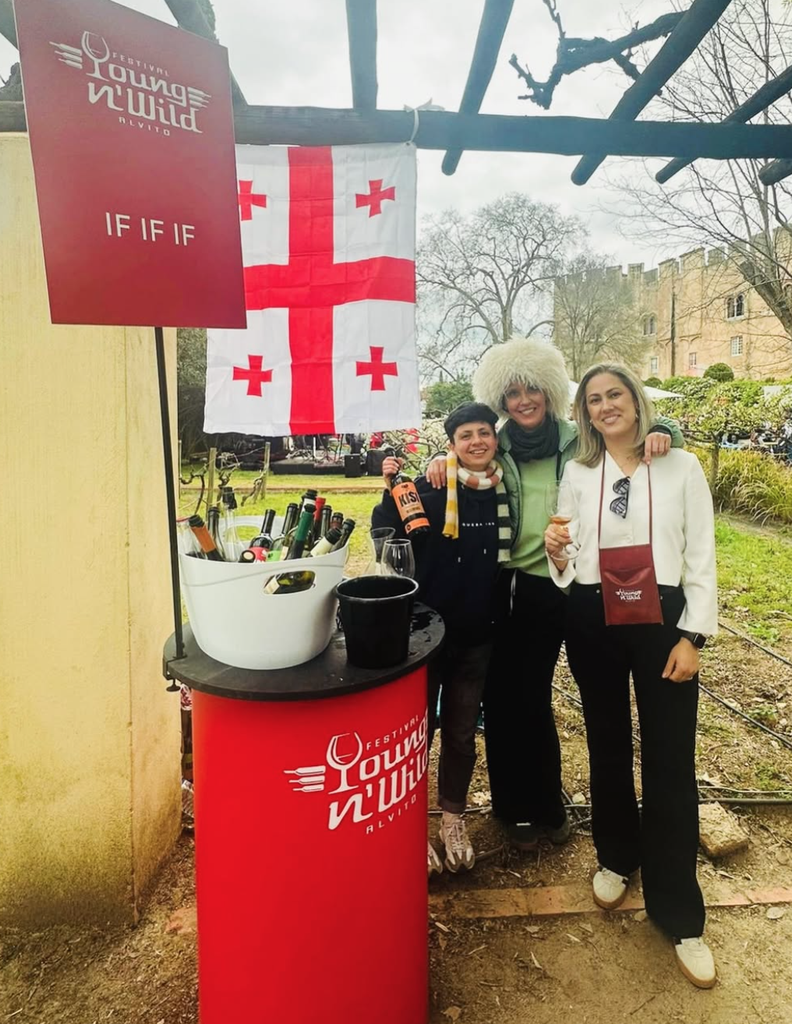
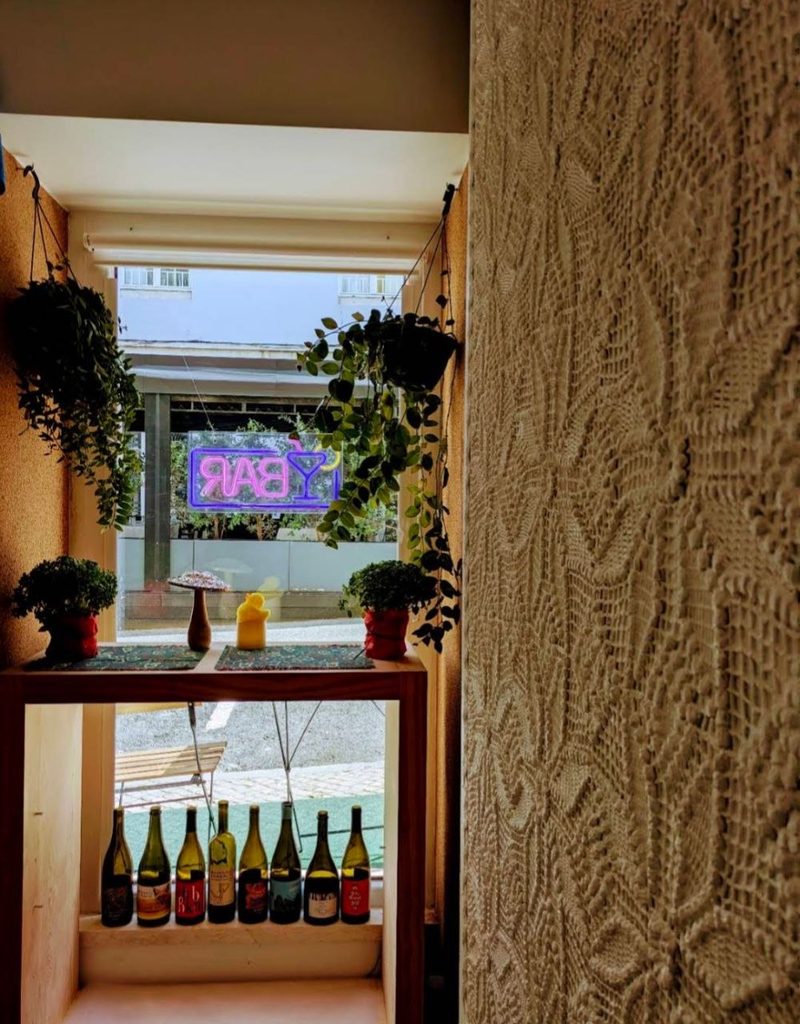
One of IF IF IF’s distinctive features is the chance to taste wine from almost any bottle on the list. They’re happy to open a bottle and serve it by the glass so guests can explore different grape varieties and regions of Georgia without ordering a whole bottle.
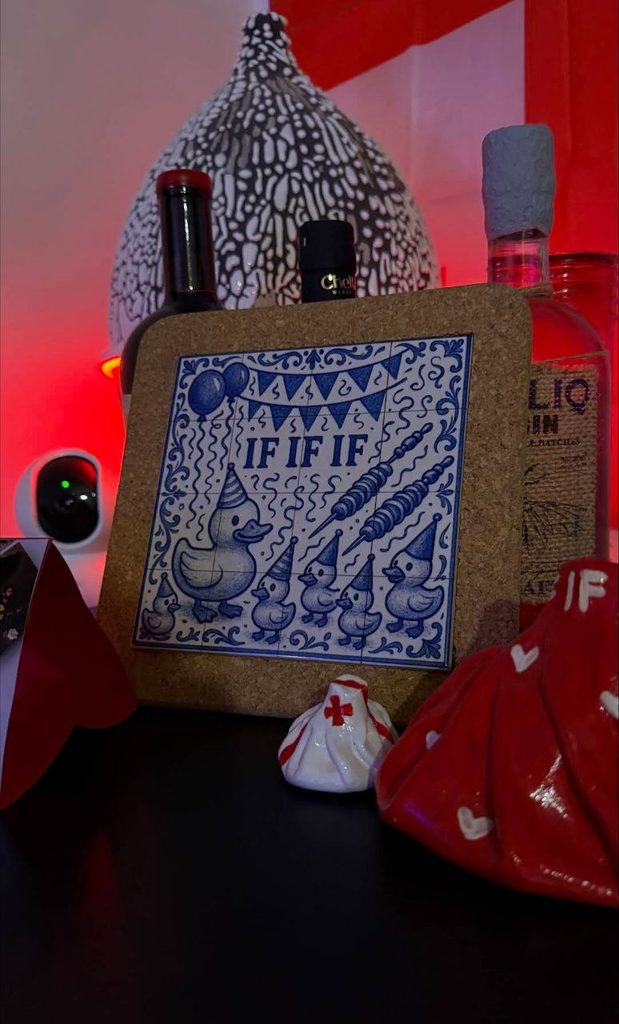
The bar’s character also shows in details that appeared almost by chance. One of them is a yellow rubber duck that became its mascot. The project’s legal name is “Spoiled Pelican,” so when they opened, Tatiana and Natalia looked for a pelican figurine to put by the entrance. They couldn’t find a suitable one, but they did find a small yellow toy. They put it in a large wine glass and set it outside to catch passers-by’s attention.
Visitors took photos with the new mascot until one evening someone took it home. The friends decided the duck had gone travelling and even put up a “missing” poster. Soon friends and guests started bringing them rubber ducks from different countries. A whole collection grew out of the loss, and over time it made its way onto T-shirts, bags and other merch. The story has become part of IF IF IF’s visual language — light, ironic and kept going by the guests themselves.
Yet the project’s main idea stays the same: Tatiana and Natalia want guests to feel as if they’ve come to visit friends in Georgia.
In Georgian culture, a guest is seen as a messenger from God.
Anyone who crosses the threshold deserves attention, care and genuine hospitality. That’s the attitude the friends try to bring to their bar. Here you can discover Georgian wines, learn more about the country’s culture and spend an evening in an atmosphere that invites conversation. According to guests, many really do feel at home here, as if visiting friends.
Today Tatiana and Natalia are developing IF IF IF beyond the wine list. They host pop-ups with guest chefs, run workshops on making khinkali and Georgian cooking, collaborate with other teams and are planning new cultural formats, from azulejo painting to making festive decorations.
The next step is to find a larger space with a terrace and an ocean view, where they can host more events and expand the project.
In a few years, IF IF IF has become a place with its own character, where a professional interest in Georgian wine meets the personal story of two friends, their sense of humour and their idea of hospitality. Here, getting to know another culture happens naturally — over a glass of wine, in conversation with the owners or at one of their events.
For Tatiana and Natalia, their own business has become a way to share what they love: Georgian wine, culture and the tradition of an open home. And today all of this brings together people who come to IF IF IF for new flavours, interesting encounters and the feeling that they’re welcome here.