

On Vinted you can sell things you no longer use and buy second-hand ones for less. The platform calls them pre-loved. The idea behind the word is simple: something one person no longer needs can still be useful to someone else. The seller gets back part of what they spent, the buyer saves, and the item lasts longer. Besides clothes and shoes, people sell books, homeware and electronics on Vinted. Here is how to list your first item, agree on a price and work out what a purchase will really cost.
Which countries can you order from?
Vinted operates in Portugal, Spain, France, Germany and other European countries, as well as in the UK and the US. For a buyer, though, the full list matters less than the markets connected to delivery at their own address.
In mainland Portugal you can buy from local sellers and order items from France, Belgium, the Netherlands, Italy, Luxembourg and Spain (the mainland, Ibiza and Mallorca). Whether a particular purchase is available depends on your address, the size of the parcel and the carrier. For Madeira and the Azores, delivery options are checked by postcode at checkout.
How do you sign up and list your first item?
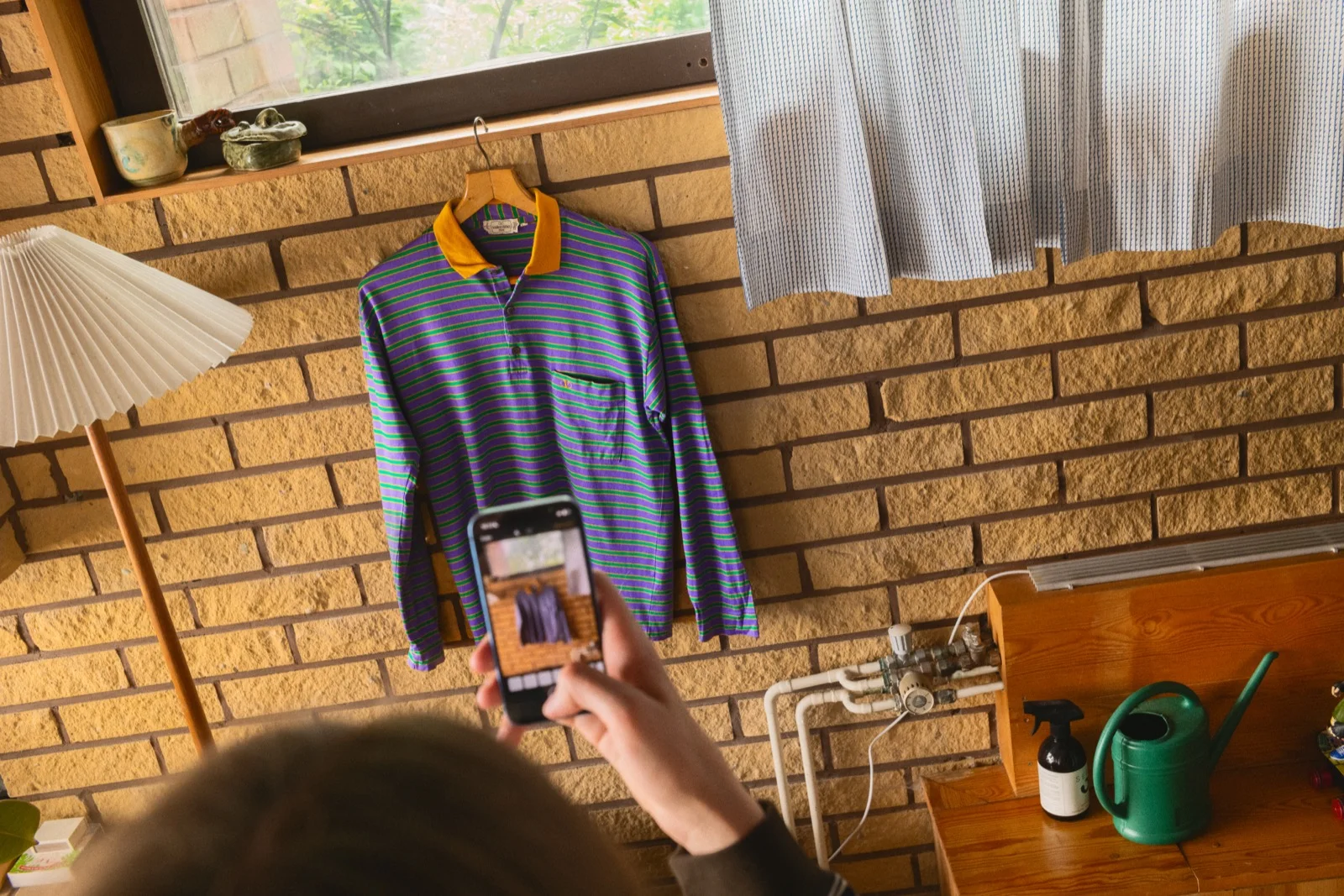
You can create an account on the Vinted website or in the app. You can sign up with an email address or with an account you already have with Google, Apple or Facebook. If you sign up by email, you will need a username and a password. For delivery you need an address with a postcode, and to receive money from sales you need Saldo Vinted, the in-app wallet (Vinted Balance in the English interface).
For your first listing you need photos, a price and a description of the item’s condition. If there are visible signs of wear, mention them.
Can you haggle on Vinted?
On a listing you can buy the item at the stated price or tap “Make an offer”. In the offer window Vinted suggests ready-made discounts and lets you type in your own amount. The seller can accept the offer, decline it or name a counter-price. Say an item costs 25 euros. The buyer offers 18, and the seller replies: “I’ll let it go for 21”. Now the buyer can buy it for 21 euros or keep negotiating. The deal is done once the buyer pays.
How much will the buyer pay?
The total is made up of the item price, shipping and a mandatory platform fee, Taxa Vinted. The fee is already reflected in the price you see in the catalogue. The order summary shows what each part of the purchase costs. That makes it easier to compare two similar items, especially if one is coming from another country.
Say a seller asks 20 euros for an item and shipping costs 3 euros. With a typical fee of 5% plus 70 cents, the purchase comes to 24.70 euros. This is only an example: the fee depends on the item and the order, and shipping on the route and the size of the parcel. If you choose an extra service, such as authenticity verification, it will also change the total.
How are parcels sent and received?

In the shipping settings the seller can choose which carriers they want to work with. Vinted keeps some options switched on by default. At checkout the buyer chooses from the delivery options available. Depending on the address and the carrier, this may be a pick-up point, a parcel locker or home delivery.
After payment, Vinted sends the seller shipping instructions. Depending on the carrier, you will get a digital or a printed label. For a digital label Vinted sends a QR code, which you show on your phone at the drop-off point. The list of suitable drop-off points is in the order instructions. A printed label has to be printed out and stuck on the parcel. Sellers usually have five working days to ship. The deadline can be extended only if the buyer agrees. If it runs out, Vinted cancels the order automatically and the seller gets a negative rating.
The parcel status is shown in the order. If it is delayed, check the carrier’s updates and messages from Vinted. If the order is marked as delivered but the parcel has not arrived, report it through the order straight away. If the parcel is presumed lost, follow the notification and the deadline given by the platform. That way Vinted can put the transaction on hold and sort it out with the carrier.
When does the seller get paid?
Before your first sale you need to activate Saldo Vinted, the wallet inside the platform. When the buyer pays, the money first appears as a pending balance. It becomes available once the order is completed, that is, when the buyer confirms everything is fine or the window for raising an issue closes. If the buyer opens a dispute, the payout depends on how the dispute is resolved.
From the available balance you can spend the money on Vinted or withdraw it to a bank account. A Portuguese account is not required: a euro account in the EU or the European Economic Area will do, as long as it meets the service’s requirements. The payment partner may ask for documents to verify your identity, and withdrawals can be suspended until that check is complete.
Can you return an item that doesn’t suit you?
With a private seller, an item that matches its description can be returned only by agreement. The catalogue also has sellers marked Pro. These are professional sellers, such as companies and sole traders, who sell on Vinted as part of their business.
With a private seller, you can report a problem with an order if the parcel was lost, the item was damaged in transit or it is significantly different from the listing. For example, a different model arrived, there is an undisclosed tear, or there is reason to suspect a fake. You file the claim with the “Tenho um problema” (“I have a problem”) button within two days of Vinted’s notification that the parcel was delivered or presumed lost. Photos of the item and the packaging help in a dispute. If the item has to be sent back, the buyer usually pays for return shipping, unless the seller has agreed to cover it.
When you buy from a Pro seller, you can generally withdraw from the purchase within 14 days of receiving it, including when the item simply doesn’t suit you. Some items are exceptions.
How do you spot a fake sale notification?
After a purchase, the order conversation shows the payment status and the shipping instructions from Vinted. If someone writes that they have already paid but there is no order in the app, do not ship anything yet. If you are asked to enter card details through a link in a chat or an email in order to receive money, be careful: it is very likely a scam. Always check the order directly in the app.
Paying with the “Buy now” button gives you access to Vinted’s dispute procedure. If you transfer money directly to the seller, that procedure is not available.
How do you build a good reputation on Vinted?
Once a deal is completed, the buyer and the seller can rate each other and leave a review. Stars and reviews then appear on both profiles. If the buyer leaves no review within four days of the order being completed, Vinted automatically gives the seller a positive rating.
If the seller does not ship on time, Vinted automatically gives them a negative rating. A negative rating can also follow a manual cancellation, and in that case it may go to whoever cancelled the order, the seller or the buyer.
Shipping speed affects the rating the buyer gives. In Vinted’s own prompts, slow shipping is one of the reasons for giving three stars. Shipping on time, an accurate description and good communication are the signs of a five-star deal.
When does Vinted report your sales to the tax authorities?
DAC7 is the set of European tax-reporting rules for digital platforms. It lets tax authorities see who receives money through platforms and how much. Under these rules, Vinted asks a seller for a tax number if they make 30 or more sales in a calendar year or earn more than 2,000 euros.
Being reported does not in itself mean you owe tax. For example, 30 sales of clothes a child has outgrown may end up in the report. Whether sales are commercial is assessed separately: regularly buying items specifically to resell them is a different kind of activity.