Genesis, on Campo Pequeno, looks much like the many Middle Eastern restaurants in Lisbon: hummus, tahini, aubergine, kebab, shakshuka. But before it opened, Portugal had no full-fledged kosher restaurant.
The owner, Karin Iloz, moved here from Israel eight years ago with her husband, from Hod HaSharon near Tel Aviv. Both come from Sephardic Jewish families, so choosing Portugal felt natural. Karin had run three restaurants in Israel, but in Portugal the couple started with events and kosher catering. Genesis opened about three years ago. The name is the English title of the Book of Genesis, meaning, quite literally, “the beginning.”
Why did it take so long? According to Karin, there simply wasn’t enough demand: many members of the local Jewish community don’t keep kosher. That changed when Portugal became a fashionable destination and Israeli tourists began arriving; there are now up to three flights a day from Israel. Without them, Karin admits, the restaurant would struggle far more. Genesis feeds tour groups and even caters to them directly in their hotels.
Keeping kosher means much more than avoiding pork. Only certain animals and fish are permitted, meat must be slaughtered and prepared according to strict rules, and meat and dairy can never be mixed. Genesis is a meat restaurant, so there is no dairy in the kitchen at all, and a rabbi oversees compliance. Kosher meat isn’t produced in Portugal and has to be imported from elsewhere in Europe, which makes meat dishes roughly 20% more expensive. Fish and vegetables are mostly local.
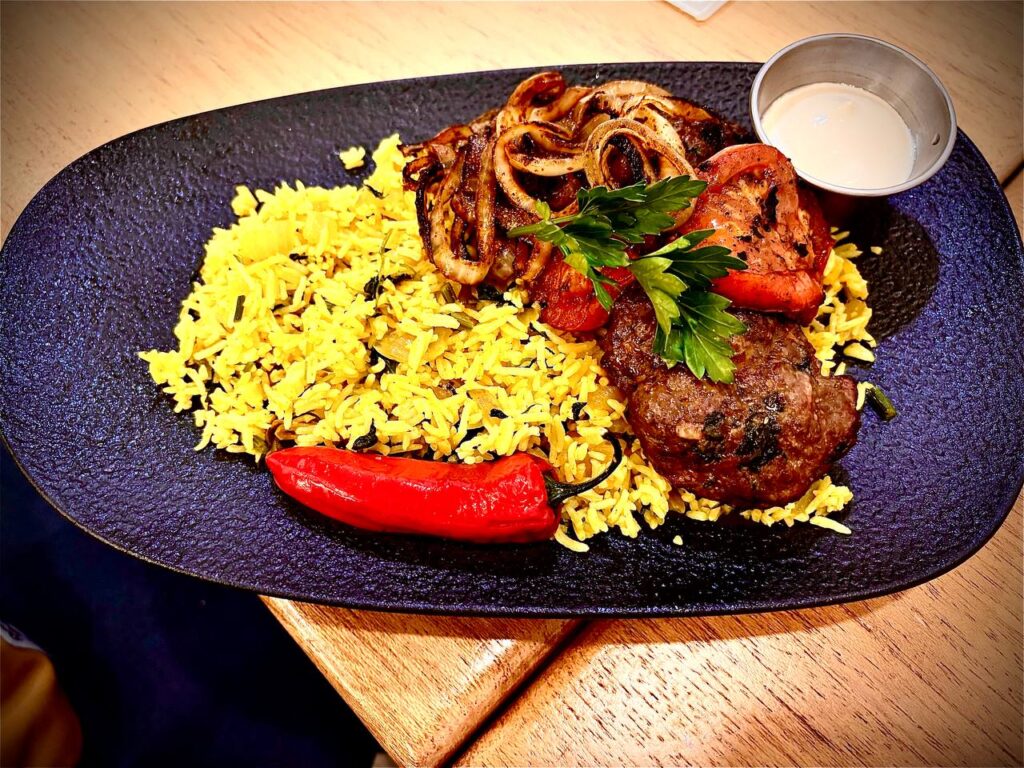
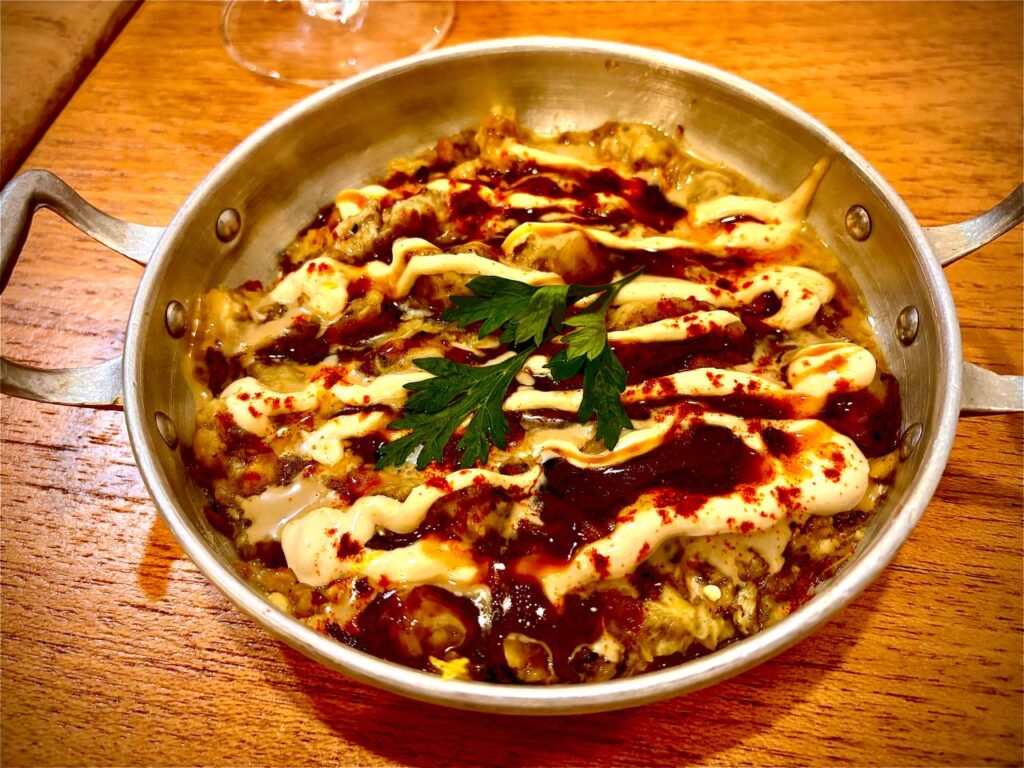
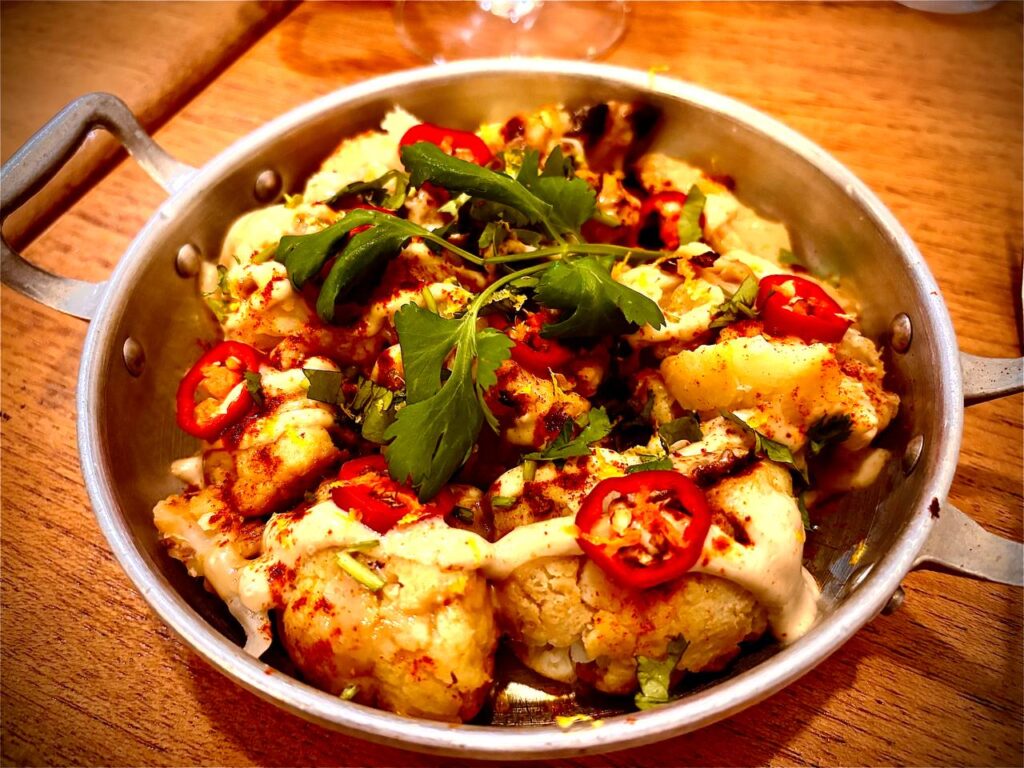
Karin designed the menu herself, and many of the recipes are family ones given a modern presentation. That makes Genesis worth a visit even if kosher rules mean nothing to you: hummus and aubergine have to be good above all else. And here they are. The charred aubergine is juicy and rich. The cauliflower with piri-piri tastes great, though it was too soft for my liking. The hummus (€19 in the meat version) is generous enough to share between two, and the pita arrives hot. The Capara beef kebab (€24), served with tahini and “green” rice that somehow looks bright yellow on the plate, was a little dry: kosher meat loses moisture during the mandatory salting process.
On Fridays the restaurant closes at 3:30 pm, and it is closed on Saturdays. A Shabbat meal can be ordered in advance: a set for two at €129, for example, includes salads, challah, wine, Moroccan-style fish, chicken and dessert.
Karin also has her own kosher Portuguese wine, Ladino, at €7 a glass or €29 a bottle. The grapes and the winemaking are the same; what differs is the supervision. When a batch is made, a rabbi visits the winery and spends about two hours checking the equipment and the process. A large quantity is produced at once, enough to keep the restaurant supplied for a long time.
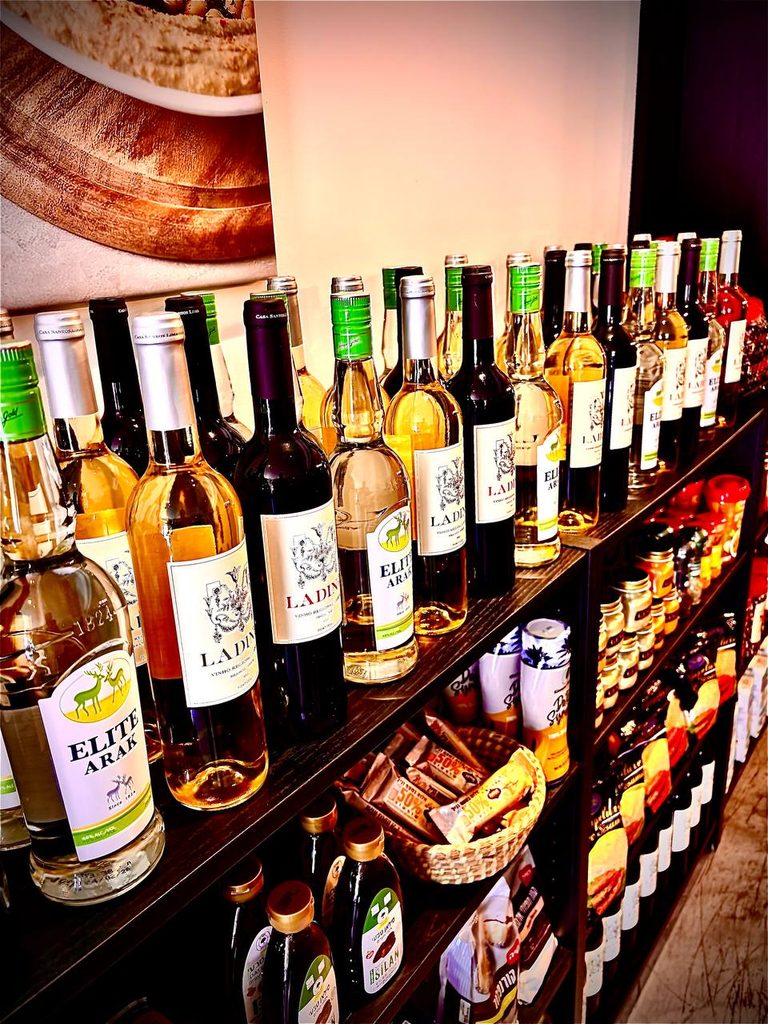
A 65-seat dining room alone, Karin acknowledges, wouldn’t sustain a business like this: the market is narrow and costs are high. So Genesis also does catering, weddings (the largest had 700 guests) and runs a small kosher shop that even stocks kosher Nutella. Little by little, a small kosher infrastructure has grown up around the restaurant in Lisbon.
Yet the best compliment to Genesis is that you don’t need to know any of this. You can simply come in, order a big plate of hummus, hot pita and aubergine, and enjoy good Middle Eastern food.
Genesis Lisbon — Campo Pequeno 41, Lisboa