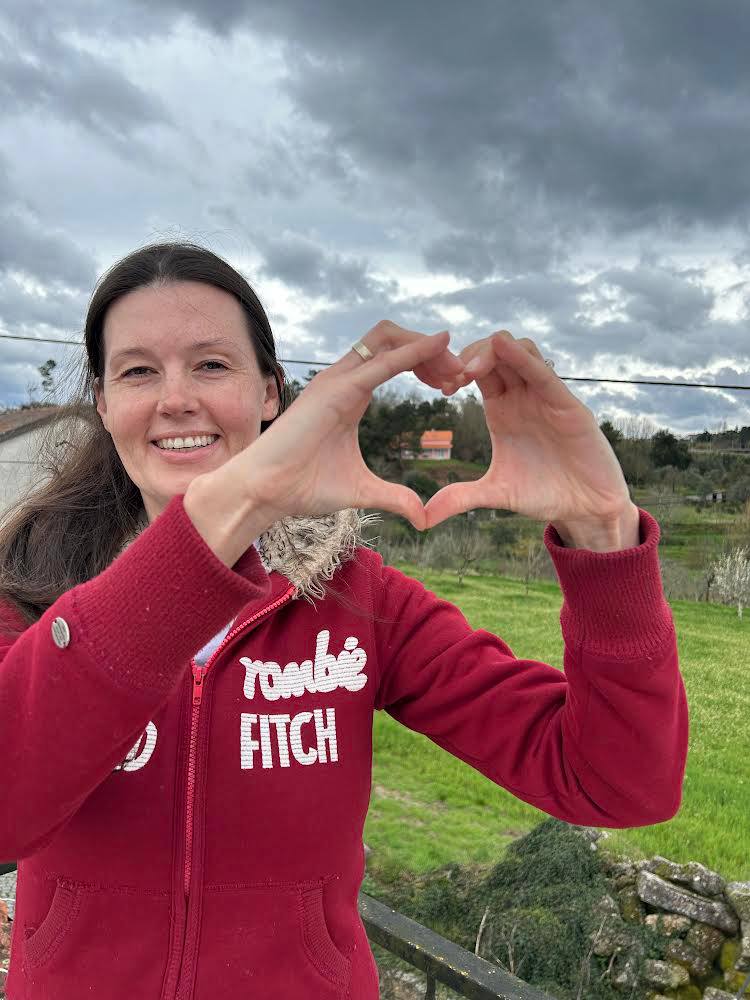
Before she turned to chocolate, textile artist Armine Yeranosyan had nothing to do with confectionery. Her first experiments began in a Yerevan kitchen in 2020 as a charity initiative, and four years later they grew into her own boutique, Cheer&Chocolate, in Lisbon’s historic quarter. There she recreated traditional Portuguese patterns in chocolate and caught the attention of European fashion houses, while staying true to the format of a small family workshop where the maker stands behind the counter herself and talks to every customer. She told Xpat.Land correspondent Anna Sadova all about it.
In a quiet side street in Lisbon’s historic centre, near Avenida da Liberdade, the city’s main luxury shopping street, hides a shop that looks like a set from the film Chocolat come to life: dark oak shelves inherited from an old pastelaria, a marble table and mirrored display cases where glossy bars and moulded bonbons shimmer in neat rows.
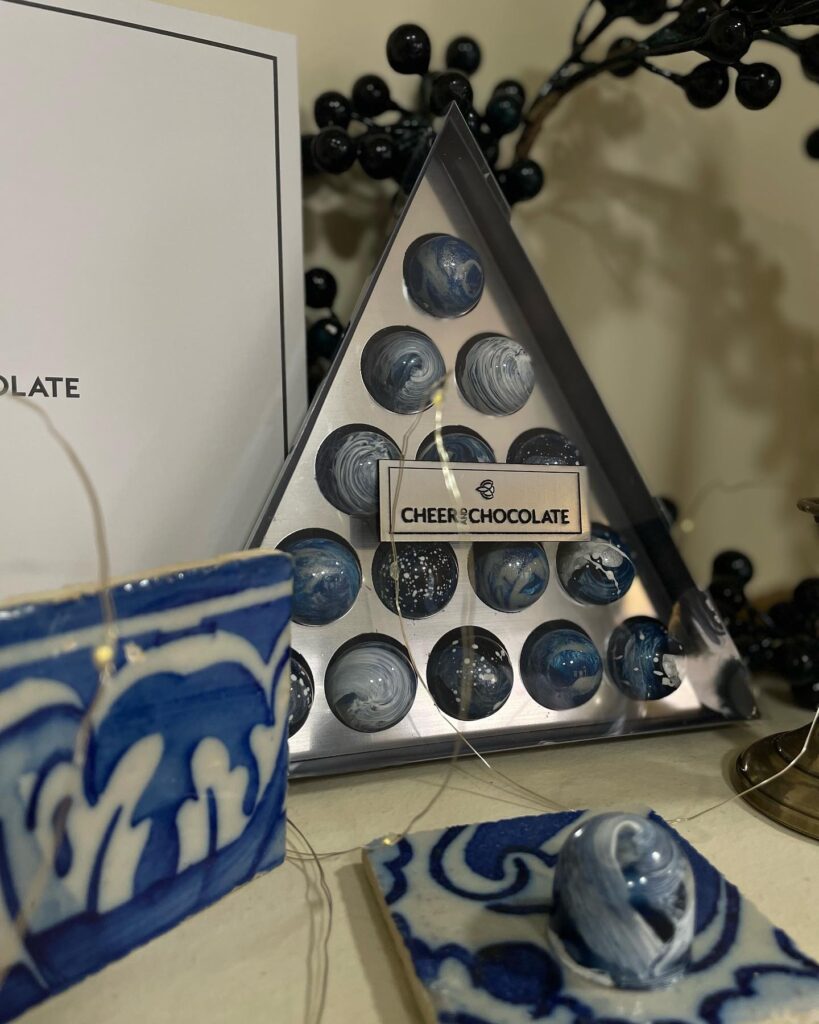
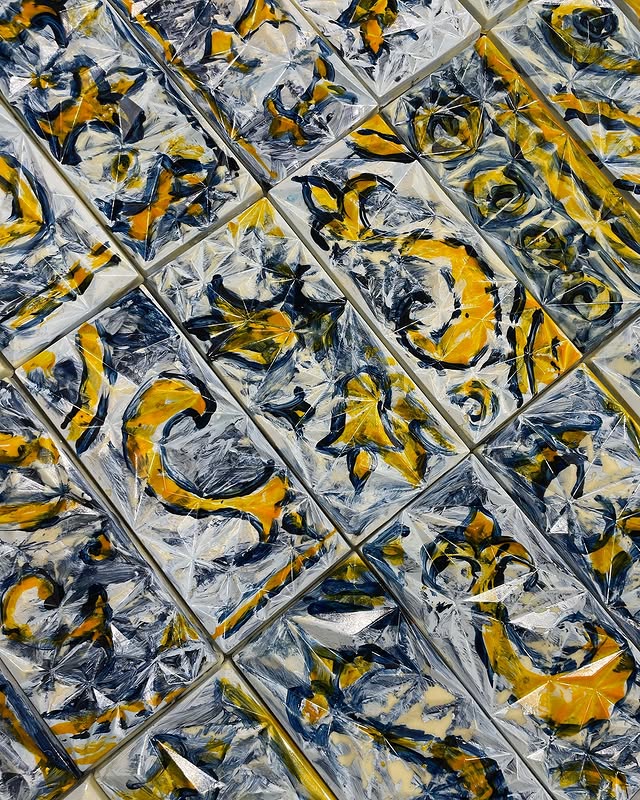
But the boutique’s signature, the reason both passers-by and regulars stop by, is its chocolate bars that faithfully reproduce traditional Portuguese azulejo tiles.
At first glance it’s hard to believe that this blue geometric pattern with gold accents is edible.
Behind the counter, customers are greeted by the owner herself: artist Armine Yeranosyan, who moved to Portugal from Armenia and turned confectionery into visual art.
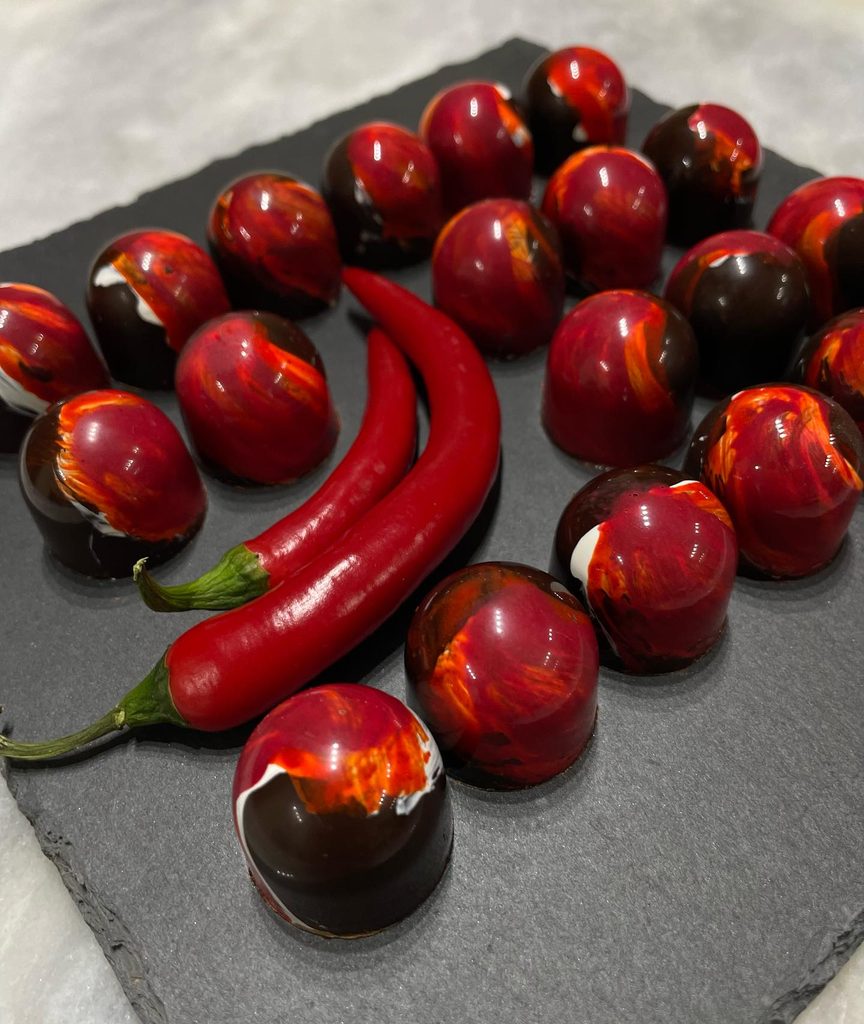
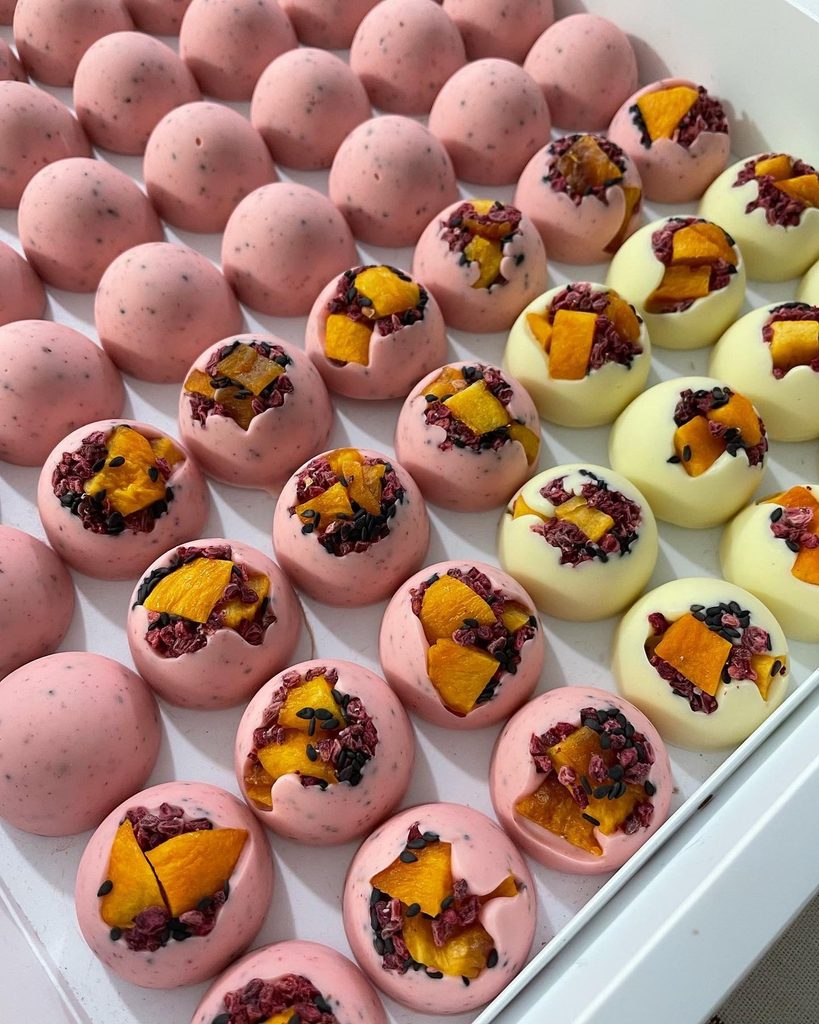
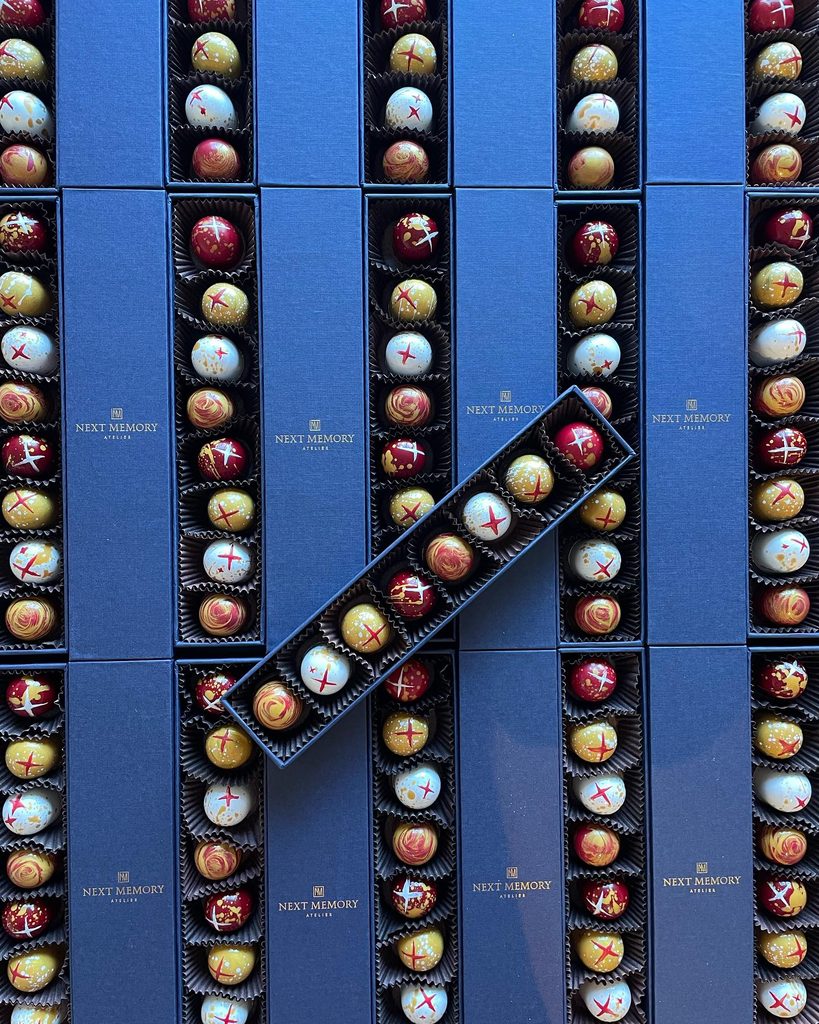
“I’m a trained artist and designer. I graduated from the Armenian State Academy of Fine Arts, majoring in textiles, worked in hot and cold batik and painted on canvas. Before chocolate I had never had anything to do with confectionery, although I always loved it and dreamed of trying. For me, chocolate became a new canvas and the ingredients became paints. It doesn’t matter whether I’m holding a brush, dried fruit or nuts — for me it’s always a process of painting,” says Armine.
A home kitchen and a sprint to 1,300 boxes of chocolate
Her path into the craft began in autumn 2020 in Yerevan, at the height of the Second Nagorno-Karabakh War. A Yerevan shop selling premium dried fruit had launched a charity initiative: women made sweets at home, and the proceeds went to help those affected. Her first batch of chocolate bonbonnières with Armenian figs and apricots sold out instantly. The shop’s owner immediately saw the potential in the beginner’s products and told her: “Make a business out of this.”
That’s how the Cheer&Chocolate brand was born. The name plays on the Armenian word “chir” (dried fruit) and the English “cheer.” She tempered her first private orders by hand in a modest home kitchen, while training professionally with chefs from the Chocolate Academy. And then came a life-changing phone call.
“The owner of an American company of Armenian descent happened to buy the last box of my chocolates in a shop and wanted to order 1,300 at once! I panicked: I was working in my home kitchen, where even ten boxes felt like a lot back then, and here was a huge handmade order with a two-month deadline!” Armine recalls.
It was a turning point. Armine found and rented a studio space, then hired and trained 15 people. In the end, the team completed the entire order in just 20 days. Thanks to this push, she ended up with a fully fledged studio that still operates in Yerevan today. Almost from the very start, she reached the corporate level: her regular clients included major banks that ordered batches of a thousand gift sets for the holidays.
A scrapped law, a closed door and a lucky break
In 2024, Armine’s family decided to change their lives completely and moved to Portugal, for a new experience for their three children and to be close to the ocean. But at first the country greeted them with a harsh bureaucratic reality.
On the day they arrived, the government abruptly scrapped the manifestação de interesse route to legal residence, and trying to open a bank account for a local company with an Armenian passport turned into three months of exhausting paperwork.
The family decided to secure residence through their children’s education. Once the first problems were solved, the question of renting a shop came up. They were looking for a place with authentic character, where handmade chocolate wouldn’t get lost among generic souvenir stalls.
“A friend pointed out a closed beauty salon on one of the streets in the centre: there was no sign and no owner’s contact details, but I looked at it and knew that I wanted that place and no other. It’s the very place where we are now. While viewing a completely different shop in Benfica, I found out that the estate agent personally knew the owners of my dream spot. That’s how I got their direct number. Everyone warned me about sky-high rents in the centre, but the owners asked for just €1,650 a month. I breathed a sigh of relief, because I’d mentally prepared for two and a half thousand. Launching the boutique cost us around €12,000–20,000, which is very modest by local standards,” says the boutique’s owner.
Glaze from Porto, spicy orange and Armenian rose
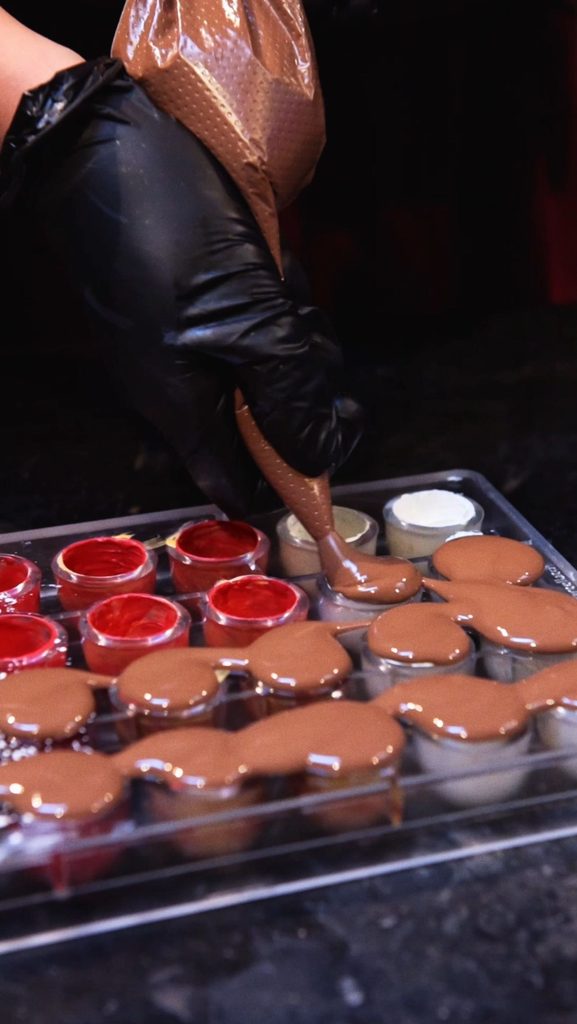
The artist’s main creative discovery in Portugal was the monumental tiled façades of Porto. The question of how to transfer them onto chocolate was solved almost instantly: delicate hand-painting of the moulds with cocoa butter made it possible to recreate intricate azulejo patterns directly on Belgian Callebaut chocolate.
“Portugal gave me new inspiration. When I first saw the monumental walls of traditional tiles in Porto, the idea of transferring the pattern onto chocolate was born. I found the painting technique right away: I make both classic blue-and-white azulejos and versions with yellow and gold accents. For locals and tourists alike, it’s a real ‘wow effect,’” notes Armine.
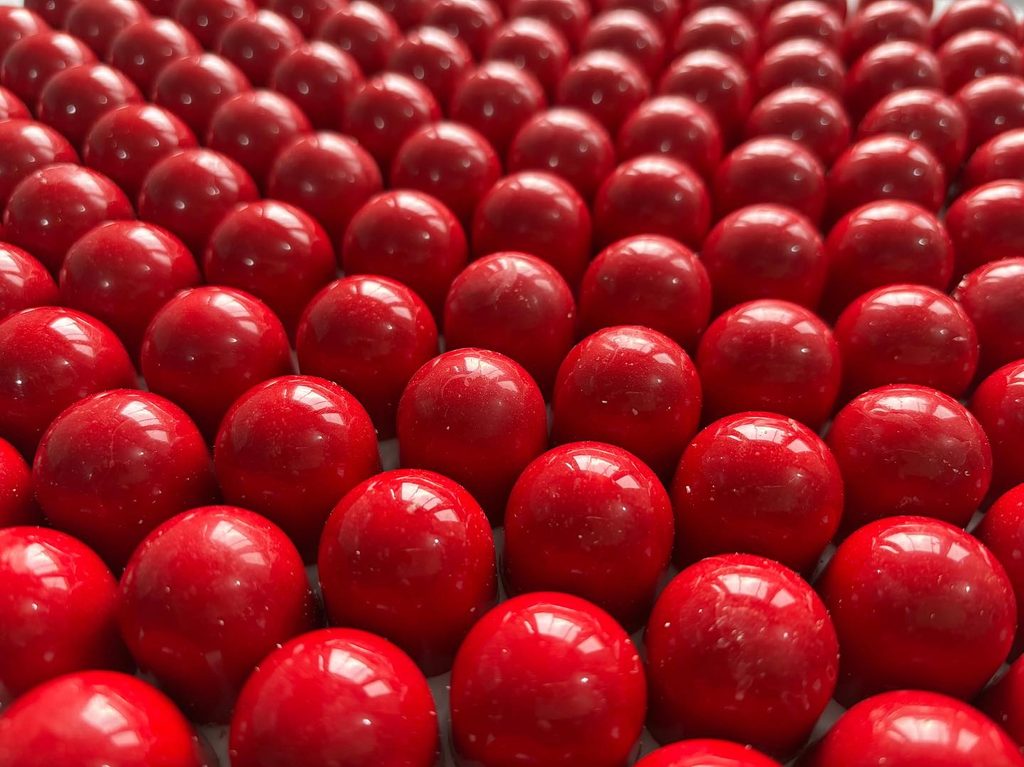
But visual form wasn’t enough; an authentic gastronomic approach was needed too. The range came to include chocolates with port, ginjinha and spicy orange, as well as the first pastel de nata–flavoured bar on the market.
“Traditional Portuguese desserts often seem too cloying to me, overloaded with sugar and eggs. The only thing I truly love is fresh pastéis de nata. I wanted to reinterpret local flavours. And I still bring the unique ingredients — premium dried fruit, apricots and tea rose — directly from Armenia. You won’t find such a rich aroma in Europe,” the chocolatier explains.
A call from Cartier and the trust of Chanel
The lack of traditional advertising was made up for by word of mouth in an upmarket neighbourhood. Her first regular customers were her neighbours: haute couture boutiques and jewellery houses.
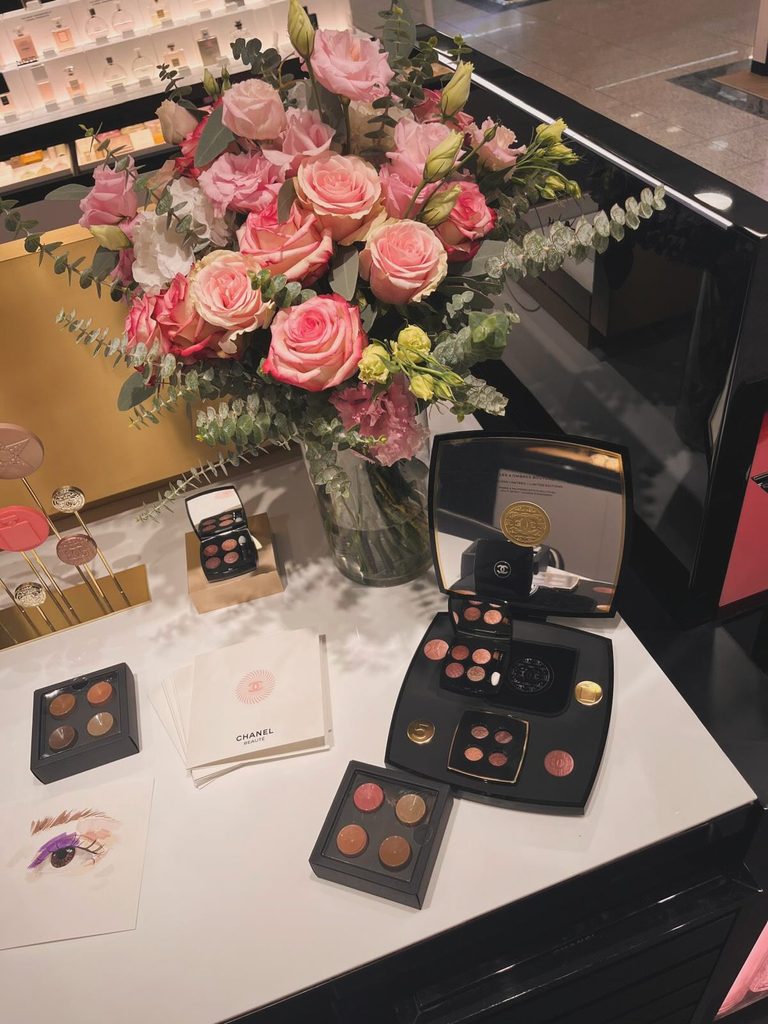
“My first big brand order here was from Chanel. I was absolutely thrilled — in Yerevan, something like that would have been unimaginable. We became friends with their manager, our aesthetics matched, and she started recommending me to colleagues herself. Soon Dior, Four Seasons, Carolina Herrera and Longchamp followed,” Armine recalls.
For Chanel presentations, she created chocolate sets that faithfully imitated eyeshadow palettes, and for a premium marble boutique she cast chocolates indistinguishable from a cross-section of natural stone.
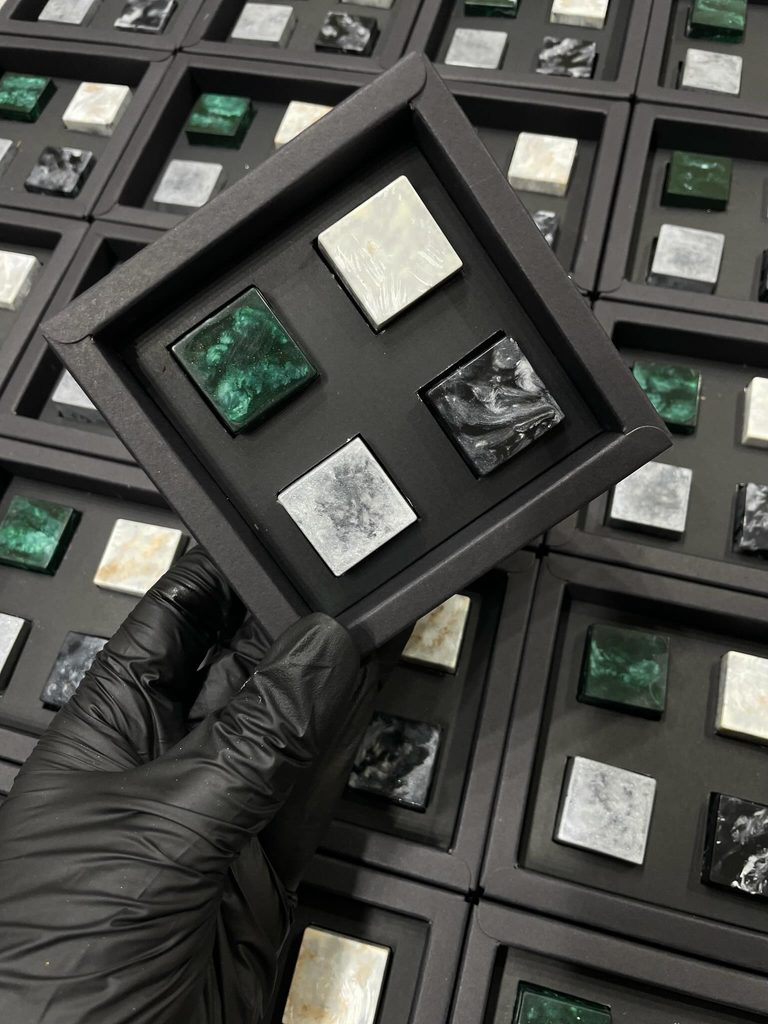
And she finds working with European brands very comfortable: they give her a general idea and trust her artistic taste completely.
“After an Armenian audience, so demanding about aesthetics, details, shades and flavours, nothing is scary anymore — but that’s exactly what raises your professional bar so much. In Armenia, beautiful, delicious artisanal food is the norm, but when people see creations like this abroad, it really impresses them,” says the chocolatier.
Although Armine isn’t particularly fond of delivery apps, they sometimes bring her real surprises.
Her partnership with luxury jewellery giants began almost like a film: the Cartier boutique urgently needed an exquisite gift for a VIP guest, found the chocolatier through Uber Eats, placed an order — and became a regular client.
Her artistic imagination also resonates with restaurateurs. Armine creates exclusive desserts in collaboration with restaurants. With Tasca do Bico, for example, she created a chocolate collection with caramelised popcorn and ginjinha to complement the restaurant’s menu.
The economics of craft, a family business and the Portuguese soul
The business is deliberately kept within the limits of a family workshop. Her husband helps assemble boxes and with logistics, her eldest son works the till after school, and the owner herself makes a point of spending most of her time behind the counter.
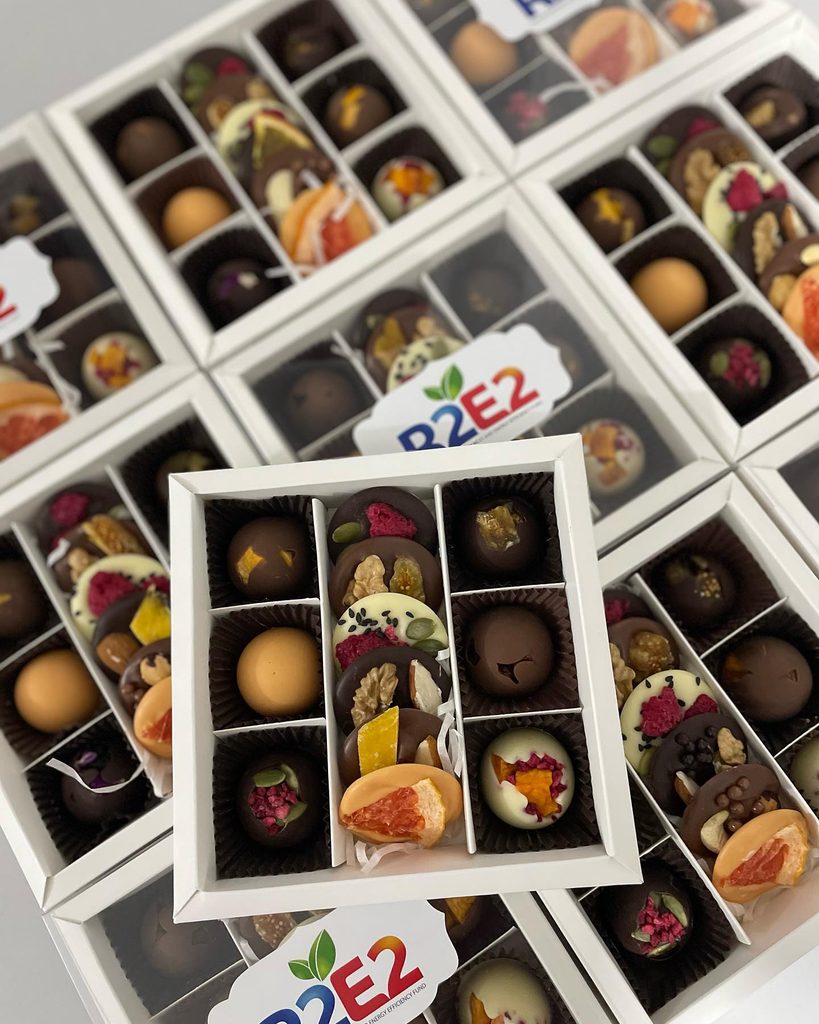
Pricing follows European standards: a single hand-painted bonbon costs two euros.
During the holiday seasons, the shop’s net profit reaches €10,000 a month; in the quieter off-season it stays at €3,000–5,000.
The owner is firmly against hiring sales staff and turning into a factory: in her view, as soon as the personal touch is lost, the soul disappears. People don’t just come in to buy a box; they want to talk to the maker. That way she gets to know her customers better and collects lots of feedback.
“I really love the Portuguese for their warmth. They come in, say hello, ask how things are going, and when they see my work, they sincerely exclaim: ‘É arte!’ (‘It’s art!’ — Xpat.Land). They themselves have emigrated a lot throughout history, so they welcome newcomers with genuine human empathy,” the artist reflects.
Her plans for the future include launching her own workshops and tastings that delve into the history of chocolate. In Yerevan, she ran full ten-day courses for confectioners, teaching tempering, fillings and the finer points of artistic painting. She would also like to open shops in Cascais and Porto. Even so, it’s essential to her to keep the small, boutique concept.
“As soon as production becomes mass-scale, the soul is instantly lost, that special something disappears, and chocolate turns into a faceless supermarket product. This boutique is like a fourth child to me: demanding, difficult, but infinitely loved. And I could never trade it for anything else,” says Armine.